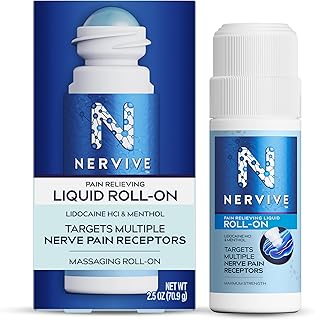
For millions dealing with persistent discomfort in their hands, feet, joints, and muscles, finding effective relief is a daily pursuit. While oral medications are common, they can come with systemic side effects. This has led many to explore targeted, topical solutions like max strength pain relieving creams. These specialized formulas, often featuring key ingredients like lidocaine and menthol, offer a direct approach to managing pain right where it hurts. If you're curious about how these creams work, especially for nerve-related discomfort, understanding the science behind Nervive and similar targeted health approaches can provide valuable context for managing overall nerve health alongside topical treatment.
Understanding Topical Pain Relief: How Creams Work on the Skin
Topical analgesics, unlike pills you swallow, are designed for localized application. They penetrate the skin's upper layers to target pain receptors and nerve endings directly at the source. This method offers a significant advantage: it minimizes the amount of medication absorbed into the bloodstream, thereby reducing the risk of whole-body side effects. The effectiveness of a topical analgesic depends on its active ingredients and its ability to be absorbed. Modern formulations strive to be non-greasy pain relief options, allowing for quick absorption without leaving a sticky, uncomfortable residue on the skin or clothing, making them practical for use throughout the day.
The Power Duo: Lidocaine and Menthol Explained
Lidocaine: The Numbing Agent
Lidocaine is a local anesthetic that works by temporarily blocking the sodium channels in nerve cells. This action prevents the nerves from sending electrical signals of pain to the brain. In a lidocaine cream formulated for max strength pain relief, the concentration is high enough to provide profound numbing sensations, making it particularly effective for sharp, burning, or shooting pains often associated with nerve irritation. It's a cornerstone ingredient for targeted relief.
Menthol: The Cooling Counter-Irritant
Menthol, derived from mint plants, works through a different mechanism known as counter-irritation. It activates the skin's cold-sensitive TRPM8 receptors, creating a cooling sensation that can distract the brain from the underlying pain. This cooling effect also helps soothe inflammation and can improve blood flow to the applied area. As a menthol cream component, it provides immediate sensory relief that complements lidocaine's longer-lasting numbing effect.
Who Can Benefit from Max Strength Topical Creams?
This class of pain relieving cream is designed for adults seeking powerful, localized relief. Common candidates include those experiencing:
- Neuropathic Discomfort: Tingling, burning, or numbness in the extremities (toes, feet, fingers, hands).
- Muscle Aches & Soreness: Pain from overuse, tension, or minor strains in the legs and arms.
- Joint Discomfort: Stiffness and pain associated with arthritis or everyday wear and tear.
- Targeted Area Pain: Any localized pain that benefits from direct application without greasy residue.
It's important to note that while topical creams address symptoms, supporting overall nerve health is crucial. Some individuals use topical relief in conjunction with supplements designed for nerve support, following principles similar to those behind the Nervive approach to maintaining healthy nerve function.
Key Features to Look for in a Quality Pain Relief Cream
Not all creams are created equal. When selecting a max strength pain relief product, consider these features:
- Dual-Action Formula: A combination like lidocaine and menthol often provides more comprehensive relief than a single ingredient.
- Non-Greasy, Fast-Absorbing Texture: A non-greasy formula is essential for comfort and allows you to dress quickly after application.
- Targeted Strength: Ensure the concentration of active ingredients is appropriate for your level of discomfort.
- Soothing Base Ingredients: Look for additional components like aloe or vitamin E that can help moisturize and protect the skin.
How to Use Topical Pain Relievers Safely and Effectively
To get the best results from a topical analgesic, proper application is key. First, clean and dry the affected area, such as sore fingers or feet. Apply a thin layer of the cream and gently massage it into the skin until fully absorbed. Most formulas, like those designed to be a non-greasy pain relief solution, will vanish quickly. Always wash your hands after application unless you are treating your hands directly. It is critical to follow the dosage instructions on the label and never apply to broken, irritated, or wounded skin. Consult with a healthcare provider before use if you are pregnant, nursing, or taking other medications.
Integrating Topical Relief into a Holistic Pain Management Plan
A pain relieving cream is a powerful tool, but it is often most effective as part of a broader strategy. For joint and muscle pain, this may include gentle stretching, physical therapy, or ergonomic adjustments. For nerve-related symptoms, a comprehensive approach is vital. This could involve managing underlying conditions, maintaining healthy blood sugar levels, and considering nutritional support for nerves. The focus of products like Nervive on supporting nerve health from within highlights the importance of a multi-faceted approach. A max strength topical cream can be the immediate, external solution, while other practices support long-term wellness.
Why a Non-Greasy Formula Makes a Difference
The texture of a topical product significantly impacts user compliance and satisfaction. A greasy ointment can feel uncomfortable, stain clothes, and limit mobility. A non-greasy pain relief cream, however, absorbs rapidly, leaving no residue. This allows individuals to apply it to their hands before work, their feet before putting on socks and shoes, or their legs and arms without worrying about a messy feel. This practical benefit makes consistent use—and therefore consistent relief—much more achievable. A product like the Max Strength Non-Greasy Topical Pain Reliever is formulated with this user experience in mind, combining potent ingredients with a cosmetically elegant base.
Conclusion: Taking Control of Localized Pain
Dealing with persistent pain in your toes, feet, fingers, hands, legs, or arms can be debilitating. Max strength pain relief creams that harness the combined power of lidocaine and menthol offer a potent, targeted, and convenient solution. By choosing a non-greasy, fast-absorbing formula, you can integrate effective relief seamlessly into your daily life. Remember, for nerve-related issues, pairing such topical solutions with a holistic view of nerve health, as emphasized by the Nervive philosophy, can be a prudent strategy. Always consult with a healthcare professional to determine if a topical lidocaine cream or menthol cream is right for your specific situation and to develop a comprehensive pain management plan.