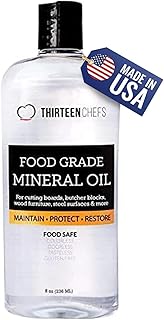
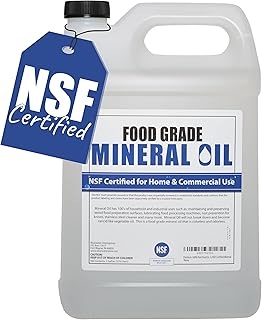
In the heart of every well-maintained kitchen lies a simple yet crucial product: Mineral Oil. This clear, odorless oil is the unsung hero for preserving the beauty, safety, and longevity of wooden kitchenware. From your favorite cutting board to cherished butcher block countertops, understanding and using the right mineral oil is fundamental to a hygienic and durable culinary workspace. This guide dives deep into the world of food-safe mineral oil, explaining its importance, proper application, and how it protects your investment in quality kitchen tools.
Why Mineral Oil is Essential for Kitchen Wood Care
Wood is a porous, living material. When left untreated, it absorbs moisture, food particles, and bacteria, leading to warping, cracking, and unsanitary conditions. This is where a high-quality food grade mineral oil becomes indispensable. Unlike vegetable oils that can turn rancid or varnishes that create a hard, potentially toxic seal, food-grade mineral oil is inert. It does not spoil, has no taste or odor, and is approved for incidental food contact. Its primary function is to penetrate the wood fibers, creating a hydrophobic barrier that repels water and prevents the absorption of contaminants. This simple act of conditioning is what keeps your cutting board from drying out, stops your butcher block from staining, and ensures your wooden spoons remain smooth and crack-free for years.
Choosing the Right Mineral Oil: What "Food Grade" Really Means
Not all mineral oils are created equal. For kitchen use, the term "food grade" is non-negotiable. This designation means the oil has been highly refined and purified to meet strict safety standards set by organizations like the FDA or NSF for incidental food contact. It contains no additives, fragrances, or impurities that could leach into food. When shopping, look for products specifically labeled for kitchen use. A product like the Cutting Board Food Grade Mineral Oil is an excellent example. Its formulation is designed to deeply penetrate wood without leaving a greasy residue, and being made in North America often assures adherence to rigorous quality and safety controls. Avoid industrial or technical-grade mineral oils, as they are not purified for food-contact safety.
Step-by-Step Guide to Treating Your Cutting Board
Proper application is key to effective protection. Here’s how to revitalize your cutting board or butcher block:
- Clean Thoroughly: Wash the wood with warm, soapy water and dry it completely. Any moisture trapped under the oil can cause mold.
- Apply Generously: Pour a generous amount of mineral oil onto the surface and spread it evenly with a clean cloth or paper towel. Don't be shy; the wood should look saturated.
- Let it Soak: Allow the oil to penetrate for at least 20 minutes to several hours, or even overnight for very dry wood. Reapply to any areas that absorb the oil quickly.
- Wipe Off Excess: After soaking, wipe away any oil that hasn't been absorbed with a clean cloth. The surface should feel smooth, not slick or sticky.
- Repeat for Maintenance: For new or severely dried wood, apply oil daily for a week, then weekly for a month. For maintenance, a monthly application is typically sufficient, depending on use.
Beyond Cutting Boards: Versatile Uses for Mineral Oil
The utility of food-grade mineral oil extends far beyond the cutting board. It is a versatile butcher block conditioner for countertops, keeping them resilient against knife marks and spills. Use it as a wood utensil oil for spoons, spatulas, and bowls to prevent them from drying and splintering. Surprisingly, it also acts as a gentle stainless steel protectant, helping to prevent water spots and minor surface corrosion on kitchen sinks and appliances. For any wood countertop oil needs, mineral oil provides a safe, effective, and easy-to-maintain finish that enhances the wood's natural grain.
Common Myths and Safety Facts About Mineral Oil
A prevalent myth is that mineral oil is toxic. When discussing food-grade, highly refined mineral oil, this is false. It is considered non-toxic for incidental ingestion and is commonly used in food processing machinery and as a laxative. Another misconception is that it "feeds" the wood. It doesn't nourish like a plant oil; instead, it fills the pores to block moisture. Safety-wise, it is inert, non-drying, and will not polymerize, making it safe and easy to reapply. Always ensure you are using a product specifically intended for kitchen surfaces to guarantee purity.
Establishing a Maintenance Routine for Lasting Beauty
Consistency is the secret to long-lasting wood care. Integrate oiling into your monthly kitchen deep-clean routine. Signs your wood needs conditioning include a pale, grayish color, a rough or thirsty texture, or visible cracks. For heavily used items like a daily cutting board, you may need to oil it every two weeks. Keeping a bottle of dedicated cutting board oil in your cleaning cabinet makes this task effortless. This proactive care not only maintains hygiene by sealing out bacteria but also preserves the structural integrity and aesthetic appeal of your wooden kitchen essentials, making them heirlooms rather than disposables.
Conclusion: The Foundation of a Safe and Beautiful Kitchen
Investing in quality kitchen tools is only half the battle; protecting that investment is where Mineral Oil proves its worth. By choosing a pure, food-grade product and applying it regularly, you create a safe barrier that protects your family from bacteria and your wood from decay. Whether you're maintaining a classic maple butcher block, a beloved bamboo cutting board, or a set of hand-carved utensils, this simple, North American made solution is the key to a kitchen that is both functionally sanitary and naturally beautiful for generations to come.