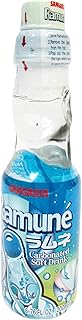
If you've ever wandered through a Japanese festival, browsed an Asian grocery store, or explored the world of unique sodas, you've likely encountered Ramune. With its distinctive glass bottle sealed by a marble, Ramune is more than just a beverage; it's a symbol of Japanese summer, nostalgia, and playful ingenuity. This effervescent drink, whose name is derived from the English word "lemonade," has captivated taste buds for over a century. This complete guide will delve into everything you need to know about this iconic soda, from its surprising origins to the satisfying *pop* of opening its unique bottle.
The History of Ramune: From British Pharmacy to Japanese Festival Staple
The story of Ramune begins not in Japan, but in the United Kingdom. In the late 19th century, a Scottish pharmacist named Alexander Cameron Sim introduced a lemon-lime soda to the foreign settlement in Kobe, Japan. Marketed initially as a health tonic, it was called "Remon Soda" (Lemon Soda). Its popularity soared, especially during cholera outbreaks, as the carbonated water was considered safer to drink. After Sim's passing, the drink was rebranded as "Ramune," a Japanization of "lemonade," and its association with summer festivals and childhood memories began to solidify. Today, it's an indispensable part of Japanese *matsuri* (festival) culture, its colorful bottles gleaming from every food stall.
Decoding the Iconic Codd-Neck Bottle: How It Works
The most defining feature of Ramune is its glass bottle, known as a Codd-neck bottle after its inventor, Hiram Codd. This ingenious design uses a glass marble and a rubber gasket to create an airtight seal. The marble is held against the gasket by the pressure of the carbonated drink inside. To open it, you don't twist a cap; you use a provided plastic plunger to push the marble down into the bottle's neck. The marble then rattles around as you drink, adding to the fun and unique experience. This design was originally intended to prevent tampering and preserve carbonation, but it has become the drink's most beloved and recognizable trait.
How to Open a Ramune Bottle: A Step-by-Step Guide
For first-timers, opening a bottle of Ramune can be a puzzling challenge. Follow these simple steps to enjoy your soda without frustration:
- Remove the Wrapper and Cap: Tear off the colorful plastic wrapper from the top. Underneath, you'll find a plastic cap. Remove and discard this cap.
- Locate the Plunger: Inside the cap's cavity, you'll find a small, usually blue, plastic plunger.
- Position and Press: Place the plunger on top of the glass marble visible in the bottle's neck. Apply firm, even pressure straight down. You will hear a satisfying *pop* or *fizz* as the marble is dislodged and drops into the wider part of the bottle.
- Drink and Enjoy: The marble will now block the neck as you tilt the bottle to drink. Don't worry; it's designed to let liquid flow around it. The rattling sound is part of the charm!
Remember, never try to force the marble out with anything other than the provided plunger, as you could break the glass.
A Rainbow of Flavors: Beyond the Original
While the original flavor is a crisp, clear lemon-lime, the world of Ramune has exploded into a spectrum of flavors. Walking into a store that stocks a wide variety can be an adventure in itself. Here are some of the most popular and intriguing flavors you might encounter:
- Original/Classic: The timeless lemon-lime taste that started it all.
- Strawberry: A sweet, fruity, and very popular pink variety.
- Blue Hawaii: A tropical mix of pineapple and other citrus flavors, famous for its vibrant blue color.
- Melon: A sweet, refreshing flavor reminiscent of Japanese musk melon.
- Grape: A rich, sweet purple soda flavor.
- Yogurt: A uniquely creamy and tangy option that surprises many first-time drinkers.
- Lychee: A floral and sweet flavor based on the popular Asian fruit.
- Cola: Ramune's own take on the classic cola taste.
Seasonal and limited-edition flavors are also common, making the hunt for a new Ramune taste a year-round hobby for enthusiasts.
Ramune in Popular Culture and Global Reach
Ramune has transcended its status as a mere drink to become a cultural icon. It frequently appears in anime, manga, and video games as a symbol of summer, youth, and everyday life in Japan. Characters are often seen drinking it at festivals, which reinforces its nostalgic image for Japanese audiences and introduces it to international fans. This exposure has fueled its global popularity. Today, you can find authentic Ramune not only in Japanese specialty stores and restaurants worldwide but also in many well-stocked international supermarkets and online retailers, allowing anyone to experience a taste of Japanese summer.
Why Ramune Remains a Beloved Classic
In a world dominated by aluminum cans and plastic bottles, why does a marble-sealed glass bottle of Ramune continue to thrive? The answer lies in the total experience it offers. It's not just about quenching thirst; it's about the tactile interaction of opening the bottle, the visual appeal of the colorful liquid and floating marble, the distinctive sound it makes, and the burst of sweet, fizzy flavor. It engages all the senses. It represents a slower, more playful moment—a break from the ordinary. Whether you're a child at a festival or an adult seeking a nostalgic treat, Ramune delivers a simple, fizzy joy that is uniquely its own.
Finding and Enjoying Your Own Ramune
Ready to try this iconic Japanese soda? Start by checking your local Asian grocery store, particularly those with a Japanese section. Many large international food markets also carry it. If you can't find it locally, numerous online retailers specialize in Japanese snacks and drinks and can deliver Ramune right to your door. When you take that first sip, you're not just tasting a soft drink; you're participating in a over-140-year-old tradition that encapsulates a piece of Japanese cultural history. So, grab a bottle, press that plunger, and enjoy the pop, fizz, and flavor of a true Japanese classic.