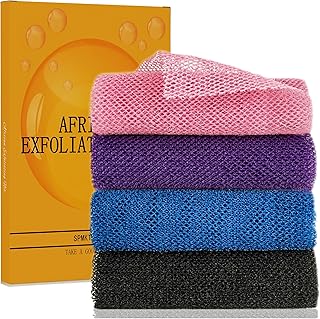
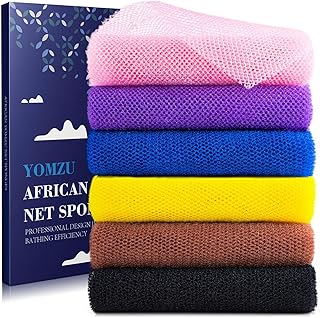
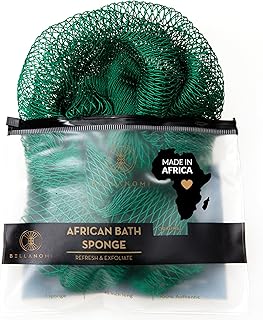
For generations, the African Net Sponge has been a cherished tool in skincare rituals, prized for its unique ability to deliver deep yet gentle exfoliation. Its distinctive netted texture is designed to lift away dead skin cells, promote circulation, and leave skin feeling incredibly smooth. However, to unlock its full potential—especially for those with sensitive skin—it's crucial to understand not just how to use it, but, more importantly, how not to use it. Many well-intentioned users inadvertently make mistakes that can lead to irritation, reduce the sponge's lifespan, or diminish its benefits. This guide will walk you through the seven most common pitfalls associated with using an African net sponge and provide clear, actionable advice on how to avoid them, ensuring your skincare routine is both effective and soothing.
Mistake #1: Using Excessive Pressure
The number one error, particularly for newcomers, is scrubbing too hard. The open, net-like structure of an exfoliating sponge is highly effective on its own; it doesn't require forceful pressure to work. Aggressive scrubbing can cause micro-tears in the skin's surface, leading to redness, irritation, and a compromised skin barrier. This is especially risky for those with sensitive, eczema-prone, or easily irritated skin.
How to Avoid It: Let the tool do the work. Use gentle, circular motions and allow the textured surface to glide over your skin. The goal is a light, massaging action. A good rule of thumb is that you should never see your skin turning bright red during or after use. For optimal gentleness, consider a high-quality option like the 2-Pack African Net Sponge, which is specifically noted for its gentle exfoliation suitable for sensitive skin.
Mistake #2: Using It Daily on Sensitive Areas
While the temptation to use this effective scrubber every day is understandable, over-exfoliation is a real concern. The face, neck, and décolletage are more delicate than body skin. Using a physical exfoliant like the African net sponge on these areas daily can strip the skin of its natural oils and weaken its protective layer.
How to Avoid It: Establish a sensible routine. For the body, 2-3 times per week is generally sufficient for most skin types. For the face, limit use to 1-2 times per week, and always listen to your skin's signals. If you experience any tightness, dryness, or stinging, reduce the frequency immediately. This facial exfoliator is powerful, so a little goes a long way.
Mistake #3: Improper Cleaning and Drying
Neglecting to properly clean and dry your sponge is an invitation for bacteria and mold growth. A damp, soapy sponge left in a dark, humid shower is the perfect breeding ground for microbes, which can then be transferred to your skin, potentially causing breakouts or infections.
How to Avoid It: After each use, rinse the sponge thoroughly under running water until all soap and dead skin cells are washed away. Squeeze out excess water (do not wring, as this can damage the fibers). Most critically, store it in a well-ventilated area outside the shower. Its quick-drying nature is a key feature of a good travel bath sponge, making it ideal for on-the-go hygiene.
Mistake #4: Using Harsh Soaps or Cleansers
Pairing a robust exfoliating tool with a stripping, sulfate-heavy body wash or a gritty scrub can be a recipe for disaster for sensitive skin. This combination can be far too abrasive, leading to significant dryness and irritation.
How to Avoid It: Opt for gentle, hydrating cleansers. Cream-based body washes, sensitive skin formulas, or even just using the damp sponge on its own with water can provide excellent exfoliation. The sponge's texture creates a rich lather with minimal product, so you can use a milder soap and still achieve a deep clean.
Mistake #5: Expecting Immediate Miracles for Chronic Skin Issues
The African net sponge is excellent for surface exfoliation, improving skin texture, and tackling mild keratosis pilaris ('chicken skin'). However, it is not a medical treatment for chronic conditions like severe eczema, psoriasis, or persistent acne. Using it on inflamed, broken, or infected skin can worsen the problem.
How to Avoid It: Have realistic expectations. Use the sponge on healthy, intact skin to maintain smoothness and prevent ingrown hairs. For managing chronic skin conditions, always consult a dermatologist for a tailored treatment plan. The sponge can be a complementary part of a routine for maintained skin, but not a cure-all.
Mistake #6: Not Replacing the Sponge Regularly
Even the most durable bath sponge has a lifespan. Over time, the netting can break down, become discolored, or lose its elasticity. Using an old, worn-out sponge is less effective and can be less hygienic.
How to Avoid It: Inspect your sponge regularly. A good quality sponge, like those in a reliable 2-pack, should last 2-3 months with proper care. Replace it if you notice any tearing, a permanent change in texture, or a lingering odor that won't wash out. Having a spare on hand, as offered in multi-packs, ensures you're never without your essential body scrubber.
Mistake #7: Using a Single Sponge for Everything
While versatile, using one sponge for your body, feet, and potentially even cleaning surfaces is unhygienic. Cross-contamination can spread bacteria from one area to another, particularly concerning for facial skin.
How to Avoid It: Dedicate sponges to specific zones. Consider using one sponge exclusively for your body and another for your feet. If you use it on your face, having a separate, smaller sponge or dedicating one specific corner of your sponge for facial use is a wise practice. This is where the value of a 2-pack truly shines, allowing for easy compartmentalization of your skincare tools.
Maximizing Your African Net Sponge Experience
Now that you know what to avoid, here's how to positively enhance your routine. Always start with wet skin and a thoroughly soaked sponge to maximize softness and glide. Use it at the end of your shower when your skin and pores have been softened by the steam. Follow exfoliation immediately with a generous application of a moisturizer or body oil to lock in hydration on your newly smoothed skin. For travel, its compact and quick-drying nature makes it the perfect travel-ready companion; just ensure it's completely dry before packing it away.
By steering clear of these common mistakes, you can transform your African Net Sponge from a simple bath accessory into a cornerstone of a healthy, effective skincare ritual. It’s a tool that rewards mindful use with consistently smoother, brighter, and happier skin. Remember, the best exfoliation is gentle, consistent, and tailored to your skin's unique needs.