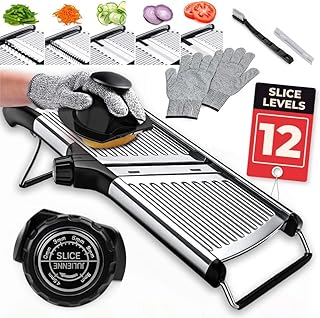
If you've ever marveled at the paper-thin cucumber slices in a gourmet salad or the perfectly uniform potato chips from a restaurant, chances are a mandoline slicer was the secret weapon. This versatile kitchen tool is a game-changer for home cooks and professional chefs alike, transforming tedious chopping into a swift, precise operation. However, its sharp blades can be intimidating. This comprehensive guide will demystify the mandoline slicer, covering everything from safe operation and key features to maintenance and creative uses, ensuring you can slice with confidence and culinary flair.
What is a Mandoline Slicer?
A mandoline slicer is a manual kitchen utensil used for slicing and cutting fruits and vegetables into uniform pieces. Unlike a knife, which relies on the user's skill for consistency, a mandoline uses a fixed, razor-sharp blade and an adjustable platform to guarantee perfect results every time. Most models come with interchangeable blades or plates that allow for a variety of cuts, including julienne (matchsticks), waffle cuts, and crinkle cuts. The primary benefit is unparalleled consistency and speed, which is essential for dishes where even cooking and presentation matter, such as gratins, scalloped potatoes, or homemade vegetable chips.
Safety First: The Non-Negotiable Rules
The number one concern with any mandoline slicer is safety. Its extreme sharpness is what makes it effective, but also potentially hazardous. Always follow these critical safety rules:
- Always Use the Food Holder/Guard: This is your most important piece of safety equipment. Never, under any circumstances, use your bare hands to push food through the slicer once the item gets small. The guard allows you to apply pressure safely.
- Pay Full Attention: Do not get distracted while using the mandoline. A momentary lapse can lead to a serious cut.
- Keep Fingers Curled: If you must use your hands for larger items at the start, always use the "claw" grip with your fingers curled inward, pushing with your knuckles.
- Assemble on a Stable Surface: Ensure the mandoline is securely positioned on a flat, non-slip countertop. Many models have non-slip feet.
- Store Safely: When not in use, engage any safety locks and store it out of reach of children, preferably with blade guards in place.
Key Features to Look For When Choosing a Mandoline
Not all mandolines are created equal. When selecting one, consider these features based on your cooking needs and frequency of use.
1. Blade Material and Quality
The heart of the tool is its blade. Look for high-carbon stainless steel blades, which offer superior sharpness and corrosion resistance. Some premium models feature Japanese-style steel blades known for their exceptional edge retention. Ensure the blades are securely mounted and not prone to wobbling.
2. Adjustability and Cut Variety
A good mandoline should offer a wide range of thickness settings, typically from wafer-thin (1/16 inch or 1.5mm) up to about 3/8 inch (9mm). Interchangeable plates are a major plus. Standard plates include:
- Straight blade for flat slices.
- Julienne blades for matchsticks.
- Waffle/crinkle-cut blades for textured slices.
- French fry cutters.
The more versatility, the more value you get from the tool.
3. Construction and Stability
Heavy-duty, food-grade plastic or stainless steel construction is ideal. Plastic models are often more affordable and lighter, but high-end stainless steel models offer greater durability and stability. Check for robust, non-slip feet to prevent the unit from sliding during vigorous use.
4. Ease of Cleaning
This is crucial. Models where the blades can be easily removed for thorough cleaning are best, as food particles can get trapped. Many parts should be dishwasher safe, but always check the manufacturer's instructions, as the ultra-sharp blades can be damaged by dishwasher detergent and high heat.
5. Integrated Safety Features
Beyond the food holder, look for models with a hand guard that has a good grip and spikes to hold the food securely. Some have a storage compartment for the blades and guard, reducing the risk of misplacement and accidental contact with the blades.
Step-by-Step Guide to Using Your Mandoline Slicer
Follow these steps for safe and effective slicing.
- Assemble and Secure: Attach the desired blade or plate according to the manual. Place the mandoline on a stable, flat surface over a cutting board or a bowl to catch the slices.
- Adjust the Thickness: Set the sliding platform to your desired thickness. It's often helpful to do a test slice on a spare piece of vegetable to confirm the setting.
- Prepare Your Food: Wash and peel (if necessary) your fruits or vegetables. For round items like potatoes or onions, often cutting them in half creates a flat, stable surface to start.
- Engage the Safety Guard: Place the food item against the blade or onto the platform. Immediately use the food holder/guard to grip the item.
- Slice with Confidence: Using firm, even pressure, slide the guard (with the food) back and forth across the blade. Let the tool do the work; don't force it.
- Finish Safely: When the piece of food becomes too small to hold with the guard, stop and discard it. Do not attempt to slice the last bit.
- Clean Immediately: Disassemble carefully and wash all parts. Dry the blades thoroughly to prevent rusting.
Creative Uses Beyond Basic Slicing
A mandoline slicer isn't just for potatoes and cucumbers. Unleash its potential:
- Homemade Chips & Crisps: Create perfect potato, sweet potato, beet, or apple chips for baking or frying.
- Vegetable Noodles: Use the julienne blade to make zucchini noodles ("zoodles"), carrot ribbons, or sweet potato noodles for healthy, low-carb meals.
- Cheese & Chocolate: Firm cheeses like Parmesan or semi-soft chocolate can be shaved beautifully for garnishes.
- Onion Rings: Slice onions uniformly for the most consistent, restaurant-quality onion rings.
- Coleslaw & Salads: Julienne cabbage, carrots, and radishes for a quick, professional-looking slaw.
Maintenance and Care for Longevity
Proper care will keep your mandoline slicing perfectly for years.
Cleaning: Hand-washing is almost always recommended. Use a soft brush (like a dedicated vegetable brush) to carefully clean food particles from around the blades. Never reach into the blade area with a sponge or your fingers. Dry all components completely before storage.
Sharpening: Most mandoline blades are not designed to be sharpened at home. Their extreme precision means professional sharpening is required if they become dull. With proper care (avoiding bones, frozen food, or pits), they should stay sharp for a very long time.
Storage: Reassemble with all safety features engaged, or use the provided storage case. Keep it in a drawer or cupboard where it won't get jostled, protecting the blades.
Conclusion: Is a Mandoline Slicer Right for Your Kitchen?
If you value efficiency, consistency, and elevating the presentation of your dishes, a mandoline slicer is an invaluable investment. It saves significant time on meal prep and opens up a world of culinary possibilities that are difficult to achieve with a knife alone. By choosing a model with the right features, like a reliable mandoline slicer, and committing to strict safety practices, you can add this professional tool to your arsenal with confidence. Start with thicker slices and soft vegetables to build your skill, and soon you'll be creating restaurant-worthy cuts in your own home kitchen.