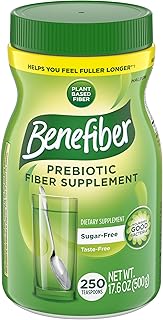
Maintaining optimal digestive health is a cornerstone of overall wellness, and for many, achieving the recommended daily fiber intake can be a challenge. This is where high-quality fiber supplements like fiber supplement powders become invaluable tools. In this comprehensive guide, we'll delve into one of the most recognized names in the category: Benefiber. Specifically, we'll examine a popular offering—a sugar-free, grit-free powder—to help you understand its role in supporting your gut health journey.
Fiber is not a single nutrient but a category of carbohydrates that resist digestion. There are two main types: soluble and insoluble. Soluble fiber, like that found in fiber supplements such as Benefiber, dissolves in water to form a gel-like substance. This type is renowned for helping to regulate blood sugar levels and lower cholesterol. More importantly for digestive comfort, soluble fiber acts as a prebiotic, feeding the beneficial bacteria in your gut, which is crucial for a healthy microbiome. Insoluble fiber, on the other hand, adds bulk to stool and helps food pass more quickly through the stomach and intestines.
What is Benefiber and How Does It Work?
Benefiber is a well-established brand of fiber supplement, with its primary ingredient being wheat dextrin, a form of soluble fiber. The specific product we're focusing on is the Fiber Supplement Powder in a 190-serving container. Its key selling points are clearly stated: it's sugar-free and grit-free. The "grit-free" claim is significant, as texture is a common complaint with some fiber powders. This formulation is designed to dissolve completely in beverages and soft foods without altering taste, texture, or color, making it incredibly easy to incorporate into your daily routine.
Key Features and Benefits of This Fiber Powder
Let's break down the features that make this particular fiber powder a contender for your supplement shelf. First, the 190-serving size offers exceptional value and convenience, reducing the frequency of repurchases. The sugar-free aspect is vital for those monitoring their sugar intake, including individuals with diabetes or those following low-carb diets. By being grit-free, it addresses a major usability hurdle, ensuring a smooth experience in your morning coffee, yogurt, or glass of water.
The primary benefit, of course, is digestive support. Consistent use of a soluble fiber supplement can help promote regularity, soften stool, and support overall gut health by nourishing good bacteria. Unlike some harsh laxatives, fiber works with your body's natural rhythm, making it a gentler, long-term solution for digestive comfort.
Who Can Benefit from a Fiber Supplement Like This?
This product is designed for a wide audience. It's ideal for anyone struggling to get enough fiber from whole foods like fruits, vegetables, and whole grains. Individuals experiencing occasional irregularity may find it particularly helpful. Because it's flavorless and dissolves completely, it's also excellent for picky eaters or those who want to boost their fiber intake without changing their diet dramatically. However, as with any supplement, it's crucial to consult with a healthcare provider before starting, especially if you have certain digestive conditions like Crohn's disease, ulcerative colitis, or a known wheat allergy (since wheat dextrin is derived from wheat).
How to Use It Effectively and Safely
To integrate this daily fiber supplement effectively, start with the recommended serving size, typically one to two teaspoons mixed into 8 ounces of a non-carbonated beverage or soft food. It's imperative to start slowly and gradually increase your intake over several days to allow your digestive system to adjust, minimizing potential side effects like gas or bloating. Equally important is increasing your water consumption. Soluble fiber absorbs water, so adequate hydration is key to its proper function and to avoid constipation. Never consume the powder dry.
Common Mistakes and How to Avoid Them
One of the biggest mistakes people make with fiber supplements is expecting immediate, drastic results. Fiber works gradually. Consistency is far more important than dosage. Another error is not drinking enough water, which can counteract the supplement's benefits and lead to discomfort. Finally, relying solely on a supplement without also striving to improve whole food fiber intake is a missed opportunity for broader nutritional health. Think of a fiber supplement as a helpful bridge or booster, not a complete replacement for a fiber-rich diet.
Comparing Your Options: What Makes This One Stand Out?
The market is full of fiber supplements, from psyllium husk to inulin powders. This Benefiber formulation stands out for its discretion and ease of use. Unlike psyllium, which can thicken rapidly and has a distinct texture, this wheat dextrin powder is designed to be undetectable. For individuals who are sensitive to textures or simply want the simplest method of supplementation, this grit-free feature is a major advantage. The large, 722-gram (25.5 oz.) container also positions it as a cost-effective choice for long-term use compared to single-serve packets or smaller jars.
Final Verdict: Is This the Right Fiber Supplement for You?
The Fiber Supplement Powder 190 Servings - Sugar Free- Grit Free presents a strong case for anyone seeking a convenient, discreet, and easy-to-use soluble fiber source. Its sugar-free and grit-free properties make it highly versatile and suitable for various dietary preferences. If your primary goals are to support digestive health, increase your daily soluble fiber intake seamlessly, and value a product that doesn't alter the taste of your food and drinks, this Benefiber product is certainly worth considering. Remember, the journey to better digestive health is personal. Starting slowly, staying hydrated, and pairing supplementation with a balanced diet are the true keys to success.