In the ever-evolving world of skincare, few ingredients have generated as much buzz for their gentle yet effective action as hypochlorous acid (HOCL). Once primarily known in medical settings for wound care, this powerful molecule has made a triumphant leap into the daily skincare routines of millions. For those struggling with sensitive skin, persistent redness, eczema, or acne, the promise of a solution that soothes without stripping is incredibly compelling. But what exactly is this ingredient, and does the hype hold up to scientific scrutiny? This deep dive explores the fascinating science behind Hypochlorous Acid Spray and why it's becoming a non-negotiable step for so many.
What is Hypochlorous Acid? Your Body's Natural Defender
Contrary to what the name might imply, hypochlorous acid is not a harsh chemical concoction. It's actually a molecule naturally produced by your body's white blood cells as a first line of defense against pathogens. Think of it as your immune system's built-in, gentle antiseptic. When produced synthetically for skincare, it's stabilized in a saline solution, creating a spray that is incredibly mild—often with a pH similar to that of healthy skin and tears. This inherent biocompatibility is the cornerstone of its appeal for sensitive skin types. Unlike many traditional acne treatments or anti-redness formulas that rely on acids or alcohols, HOCL works with your skin's biology, not against it.
The Mechanism: How Does a Hypochlorous Acid Spray Calm Your Skin?
The magic of hypochlorous acid spray lies in its dual-action mechanism. First, it's a potent yet gentle antimicrobial. It effectively targets and neutralizes bacteria, viruses, and fungi on the skin's surface without disrupting the delicate balance of your skin's microbiome. This is crucial for managing acne and preventing infection in compromised skin, like eczema flare-ups. Second, and perhaps more importantly for those with sensitivity, it acts as a powerful anti-inflammatory agent. It helps to calm the cascade of inflammatory signals that lead to redness, swelling, and irritation. By addressing both the potential microbial triggers and the inflammatory response, it tackles skin concerns at their root.
Beyond Hype: Documented Benefits for Common Skin Concerns
Clinical studies and user experiences point to several key benefits that make HOCL a versatile sensitive skin solution:
- Redness & Irritation Relief: By quenching inflammation, it can visibly reduce redness from conditions like rosacea, general sensitivity, or reactions to other products.
- Eczema & Dermatitis Management: It soothes the itch-scratch cycle, helps prevent secondary bacterial infections in broken skin, and supports the skin's barrier during healing.
- Acne Support: It targets acne-causing bacteria (like *C. acnes*) without the dryness or irritation of benzoyl peroxide or salicylic acid, making it suitable for even the most reactive skin.
- Post-Procedure Healing: Widely used after laser treatments, microneedling, or chemical peels to calm skin, reduce redness, and prevent infection.
- Daily Maintenance: As a pre-cleanse to remove surface impurities or a final mist to lock in hydration and reinforce the skin barrier.
Navigating the Market: What to Look for in a Quality HOCL Spray
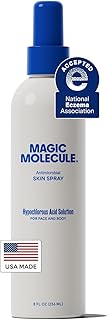
Not all hypochlorous acid sprays are created equal. Stability, concentration, and purity are paramount. The molecule can degrade if not properly stabilized, rendering it ineffective. Look for products that specify a stabilized formula and list the parts-per-million (ppm) concentration—typically between 100-200 ppm is ideal for daily facial use. Packaging also matters; opaque, airtight bottles protect the solution from light and air, which can break it down. A prime example of a well-formulated product is the BASE LABORATORIES Hypochlorous Acid Spray. Its 8 oz bottle is designed for daily use, and it specifically markets itself as a facial skin repair solution for those dealing with sensitivity, redness, and conditions like eczema and acne, highlighting its gentle, HOCL molecule-based approach.
Integrating HOCL into Your Skincare Routine: A Practical Guide
One of the greatest advantages of a daily skin care product like this is its simplicity. It can be used multiple times a day without overcomplicating your regimen. For most users, the ideal method is to spray it onto clean, dry skin (or slightly damp skin), let it air dry for 30-60 seconds, and then follow with your regular moisturizer or serum. It can be used:
- Morning & Night: After cleansing, as a toning/prep step.
- On-the-Go: To refresh skin, calm midday irritation, or soothe after mask-wearing.
- On Body: Don't limit it to your face! It's excellent for soothing body eczema, razor burn, or minor cuts.
Because it's so gentle, it rarely conflicts with other active ingredients like retinoids or vitamin C, but as with any new product, patch testing is always recommended.
Debunking Common Myths and Setting Realistic Expectations
As with any popular skincare ingredient, misconceptions abound. Let's clear a few up:
- Myth: It's a bleach or will dry out your skin. Reality: It is chemically distinct from chlorine bleach (sodium hypochlorite) and is non-drying due to its saline base.
- Myth: It's a miracle cure that works overnight. Reality: While some calming effects can be immediate, managing chronic conditions like eczema or acne requires consistent, long-term use as part of a holistic eczema and acne treatment plan.
- Myth: All brands are the same. Reality: Formulation, stability, and concentration vary greatly, impacting efficacy.
Who Should (and Shouldn't) Consider a Hypochlorous Acid Spray?
This ingredient is a particularly strong match for: individuals with sensitive, reactive, or rosacea-prone skin; those struggling with eczema or dermatitis; people with acne who cannot tolerate traditional treatments; anyone seeking a gentle, post-procedure care product; and those looking for a hygienic, soothing mist for daily maintenance. The only group who should exercise caution are the very few with a specific allergy to components in the saline solution. For everyone else, it represents one of the lowest-risk, highest-potential-benefit additions to a skincare arsenal focused on redness and irritation relief.
The Verdict: A Scientifically-Backed Step Towards Calmer Skin
The rise of hypochlorous acid spray is more than a passing trend; it's the validation of a body-friendly science for skincare. By harnessing a molecule our own immune system uses, it offers a uniquely gentle yet effective way to manage inflammation, protect against microbes, and support the skin barrier. Whether you choose a dedicated product like the BASE LABORATORIES spray or another reputable brand, incorporating this step can be a transformative move for skin that's easily upset. It proves that powerful skincare doesn't have to be punishing, paving the way for a more soothing and sustainable approach to achieving a calm, clear, and healthy complexion.