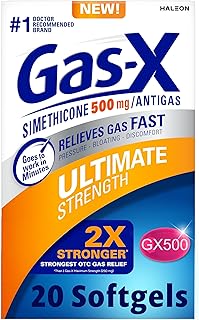
When digestive discomfort strikes, reaching for the right relief is crucial. Two common active ingredients found in over-the-counter remedies are Simethicone and Calcium Carbonate. While both are used for stomach issues, they work in fundamentally different ways and target distinct symptoms. Understanding the difference between a gas reliever like Simethicone and an acid neutralizer like Calcium Carbonate can help you make an informed, effective choice for your specific needs, whether it's bloating from gas or the burning sensation of heartburn.
What is Simethicone and How Does It Work?
Simethicone is an anti-foaming agent, not an antacid. Its primary job is to relieve symptoms caused by excess gas in the digestive tract, such as bloating, pressure, fullness, and painful cramps. It works by reducing the surface tension of gas bubbles trapped in your stomach and intestines, causing them to coalesce into larger bubbles. This makes it easier for your body to expel the gas through belching or passing flatus. It's important to note that Simethicone doesn't prevent gas from forming; it simply helps your body manage the gas that's already there. For those seeking relief specifically from gas and bloating, understanding Simethicone is the first step.
What is Calcium Carbonate and How Does It Work?
Calcium Carbonate, on the other hand, is a classic antacid. It directly neutralizes stomach acid (hydrochloric acid) that has refluxed into the esophagus, providing rapid relief from heartburn, acid indigestion, and sour stomach. By chemically raising the pH in the esophagus and upper stomach, it soothes the burning sensation almost immediately. Products like Genexa's Clean Antacid Chewable Tablets utilize maximum strength Calcium Carbonate for this fast-acting, effective relief. This makes it the go-to choice for symptoms related to excess acid, not excess gas.
Key Differences: Simethicone vs. Calcium Carbonate
Primary Use Case
This is the most critical distinction. Choose Simethicone if your main complaint is gas, bloating, or a feeling of fullness. Choose a Calcium Carbonate-based product like Genexa's antacid if your main complaint is heartburn, acid reflux, or sour stomach.
Mechanism of Action
Simethicone is a physical agent that changes the properties of gas bubbles. Calcium Carbonate is a chemical agent that undergoes a neutralization reaction with stomach acid.
Speed and Duration of Relief
Calcium Carbonate acts within minutes to neutralize acid. Simethicone also works quickly to coalesce gas bubbles, but the relief depends on your body's ability to expel the gas afterward.
When to Use a Combination Product
Sometimes, digestive distress presents a mixed picture. You might experience both acid reflux and uncomfortable bloating after a meal. In such cases, some products combine antacids (like Calcium Carbonate or Magnesium Hydroxide) with Simethicone for dual-action relief. It's essential to read labels carefully. For targeted, single-ingredient relief, choosing a dedicated formula is often best. For pure, powerful acid neutralization without additives, a clean antacid focused on Calcium Carbonate is an excellent choice.
The Importance of Clean Formulations in Digestive Health
Whether you're managing occasional gas with Simethicone or tackling heartburn with Calcium Carbonate, the inactive ingredients in your chosen product matter. Many conventional over-the-counter remedies contain artificial dyes, flavors, preservatives, and sweeteners that can be unnecessary or irritating to some individuals. This is where the philosophy behind dye-free and clean-label products becomes vital.
Products formulated with a commitment to purity, like those labeled with 0% Artificial Additives, ensure you're only putting ingredients that actively contribute to your relief into your body. For example, Genexa's Clean Antacid Chewable Tablets provide maximum strength Calcium Carbonate relief in a pleasant berry flavor chewable form, free from synthetic dyes and common artificial additives. This clean approach is particularly important for individuals with sensitivities or those who prefer to minimize their exposure to non-essential chemicals, even in over-the-counter medications.
Choosing the Right Product for Your Symptoms: A Practical Guide
Making the right choice comes down to symptom identification. Use this quick guide:
- For Heartburn/Acid Indigestion (Burning chest pain, sour taste): Seek an antacid with Calcium Carbonate, Magnesium Hydroxide, or Aluminum Hydroxide. A dedicated, clean formula like the one found here is ideal for fast, straightforward relief.
- For Gas/Bloating (Tight, full abdomen, cramping, flatulence): Seek a gas reliever containing Simethicone.
- For Mixed Symptoms (Heartburn with bloating): Consider a combination antacid + Simethicone product, or treat the primary symptom first with a targeted agent.
Always follow dosage instructions on the package. If symptoms are severe, persistent, or change significantly, consult a healthcare professional to rule out underlying conditions like GERD, ulcers, or food intolerances.
Conclusion: Targeted Relief for Digestive Comfort
Simethicone and Calcium Carbonate are both valuable tools for digestive comfort, but they are not interchangeable. Simethicone is your specialist for gas and bloating, working mechanically to ease expulsion. Calcium Carbonate, the active ingredient in trusted clean antacids, is your specialist for quickly quenching the fire of heartburn and acid indigestion through chemical neutralization. By understanding this key difference, you can move beyond guesswork and select the remedy designed for your specific discomfort. For those seeking effective, dye-free relief from acid-related symptoms, exploring clean, maximum-strength Calcium Carbonate options offers a direct path to feeling better, naturally.