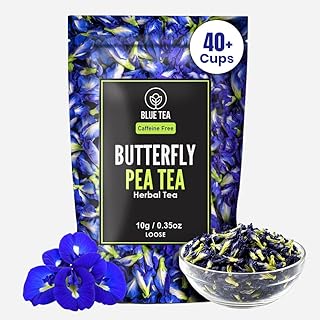
In the world of herbal teas, few ingredients captivate the senses quite like Butterfly Pea Tea. This stunning blue infusion, derived from the Clitoria ternatea flower native to Southeast Asia, has transcended its traditional roots to become a global phenomenon. Its mesmerizing color-changing properties and delicate flavor profile have made it a favorite among tea enthusiasts, mixologists, and health-conscious individuals alike. Whether you're sipping it for its purported wellness benefits or using it as a natural colorant in culinary creations, understanding this unique tea is the first step to fully appreciating its magic. This guide will serve as your comprehensive resource, covering everything from its origins and health claims to the art of brewing and innovative applications beyond the teacup.
What is Butterfly Pea Tea? Origins and Characteristics
Butterfly Pea Tea is an herbal infusion made from the dried petals and sometimes the whole flower of the Butterfly Pea plant. For centuries, it has been a staple in traditional medicine and cuisine across Thailand, Vietnam, Malaysia, and other parts of Southeast Asia. The tea is celebrated for its vibrant, deep cobalt blue hue—a color so intense it seems almost unnatural, yet it is completely derived from nature. The flavor is often described as mildly earthy, woody, and slightly sweet, with a smooth mouthfeel that makes it incredibly versatile. Unlike many herbal teas, its most famous party trick is its ability to change color: adding citrus (like lemon or lime juice) or other acidic ingredients transforms the blue brew into a beautiful shade of purple or pink, thanks to the pH-sensitive anthocyanin pigments within the flower. This characteristic alone has fueled its popularity in modern gastronomy and social media.
Exploring the Potential Health Benefits of Butterfly Pea Flower
While traditional use praises Butterfly Pea Tea for various ailments, modern interest is growing in its potential health-promoting properties, largely attributed to its rich antioxidant content. It's important to note that many of these benefits are based on preliminary research and traditional use, and the tea should not be considered a cure-all. However, its nutritional profile is promising. The tea is naturally caffeine-free, making it an excellent evening beverage, and is packed with flavonoids and anthocyanins—the same compounds found in blueberries and red cabbage that are linked to reducing oxidative stress in the body. Some traditional practices and early studies suggest it may support cognitive function, promote skin and hair health due to its antioxidant activity, and have anti-inflammatory effects. As a vegan and non-GMO herbal infusion, it fits seamlessly into a wide range of dietary lifestyles, offering a soothing, chemical-free alternative to sugary drinks.
Mastering the Art of Brewing Butterfly Pea Tea
Brewing the perfect cup of Butterfly Pea Tea is simple, but a few tips can elevate your experience. The method differs slightly depending on whether you're using loose flowers or convenient pyramid tea bags. For a standard hot infusion, use water just below boiling (around 90-95°C or 195-205°F) to preserve the delicate compounds. Steep for 3-5 minutes; a longer steep will result in a deeper color and slightly stronger flavor. The magic of pyramid teabags, like those found in quality sets, is that they provide ample space for the flowers to expand and fully infuse, yielding a richer color and more nuanced flavor than cramped traditional bags. For a refreshing iced tea, brew a concentrated version with hot water, then pour it over a glass full of ice. Watch as it cools and dilutes to the perfect strength. The key is experimentation—adjust the steeping time and tea-to-water ratio to find your personal preference.
Beyond the Cup: Creative Culinary Uses for Butterfly Pea Tea
The utility of Butterfly Pea Tea extends far beyond a simple beverage. Its stable, vibrant color and neutral flavor make it a fantastic natural food dye and a versatile mocktail ingredient. In the kitchen, you can use the strong brewed tea to color rice (creating stunning blue or purple rice), dough for noodles or pastries, or sauces. In the realm of drinks, it's a star player. Create layered beverages by pouring blue tea over a back of a spoon into a glass containing a denser, acidic component like lemonade; the colors will remain separate for a stunning effect. For cocktails and mocktails, it adds visual drama without overpowering other flavors. Think of a "Blue Magic Lemonade" or a color-changing gin fizz. The tea can also be reduced into a syrup by simmering it with sugar, creating a versatile sweetener perfect for drizzling over pancakes, flavoring sparkling water, or crafting signature cocktails.
Why Quality and Sourcing Matter: A Closer Look at VAHDAM's Offering
Not all Butterfly Pea Teas are created equal. The color intensity, flavor purity, and overall experience are directly tied to the quality of the flowers and the integrity of the sourcing and packaging. This is where products sourced directly from origin, like the VAHDAM Butterfly Pea Flower Tea, make a significant difference. Sourced directly from farms, such teas ensure freshness and support sustainable agricultural practices. The use of plant-based, biodegradable teabags is not just an eco-friendly bonus; it also means no plastic or synthetic fibers leach into your brew, preserving the tea's natural purity. When you choose a high-quality product, you're guaranteed a more vibrant color change, a cleaner taste, and the peace of mind that comes from ethical consumption. It transforms the act of drinking tea from a routine into a conscious, enjoyable ritual.
Frequently Asked Questions About Butterfly Pea Tea
Does Butterfly Pea Tea have caffeine? No, it is naturally caffeine-free, making it suitable for any time of day.
Can I drink it every day? As with any herbal tea, moderation is key. It is generally considered safe for daily consumption for most people, but it's always wise to consult with a healthcare provider if you have specific health conditions or are pregnant.
Why does it change color? The color change is due to anthocyanins, pigments that react to changes in pH. Adding acid (like lemon juice) turns it purple/pink.
Where can I buy good quality Butterfly Pea Tea? Look for reputable brands that emphasize direct sourcing and transparent practices, available in specialty health stores or online retailers.
Final Thoughts: Embracing the Versatility of This Herbal Wonder
Butterfly Pea Tea is more than just a trending ingredient; it's a bridge between ancient tradition and modern culinary creativity. Its stunning visual appeal opens the door to exploration in the kitchen and behind the bar, while its gentle, earthy flavor and potential wellness attributes offer a moment of calm in a teacup. By choosing high-quality, ethically sourced products and understanding the basic principles of brewing and application, you can unlock the full potential of this remarkable butterfly pea tea. Whether you're brewing a simple cup to unwind, crafting a show-stopping mocktail for guests, or experimenting with natural food coloring, this blue herbal treasure promises a unique and satisfying experience. Start your journey today and discover why this beautiful infusion has captivated people for generations.
![Butterfly pea flower tea loose leaf (375+ Cups) [ 4.4 Ounces Oz] Dried butterfly pea flowers blue tea](https://m.media-amazon.com/images/I/81Sd+Bf-SaL._AC_UL320_.jpg)