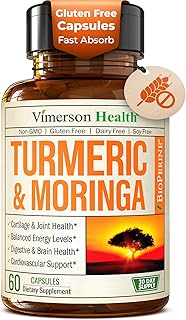
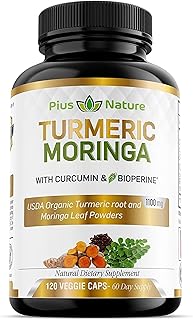
Navigating the world of women's health supplements can be overwhelming, especially when searching for effective support during menopause. Two prominent names often surface: ProBalance Probiotics for Women and Provitalize. Both target similar concerns like bloating, digestive discomfort, and hormonal balance, but they take different approaches. This comprehensive comparison will break down their formulas, intended benefits, and key differences to help you decide which supplement aligns best with your wellness journey.
Understanding the Core Mission: Women's Health Support
At their heart, both ProBalance and Provitalize are formulated with a woman's unique physiology in mind. As estrogen levels fluctuate and decline during perimenopause and menopause, the body undergoes significant changes. These can include a slower metabolism, shifts in gut bacteria (the microbiome), increased inflammation, and changes in weight distribution, particularly around the abdomen. A high-quality probiotic and herbal supplement aims to address these changes from the inside out, supporting the body's natural balance.
Deep Dive: ProBalance Probiotics for Women 68B CFU
The ProBalance Probiotics for Women formula is a robust blend designed as a comprehensive support system. Its full title—ProBalance Probiotics for Women 68B CFU – Menopause, Bloat & Belly Support – Turmeric & Moringa – Digestive & Joint Health—clearly outlines its multi-faceted approach. Let's examine its key components:
Probiotic Power: 68 Billion CFU
The foundation of ProBalance is its substantial probiotic count of 68 billion Colony Forming Units (CFU). This includes strains specifically selected for digestive health and women's wellness. A healthy gut microbiome is crucial for nutrient absorption, immune function, and even the metabolism of hormones. By repopulating the gut with beneficial bacteria, ProBalance aims to create an internal environment conducive to reducing bloating relief and improving overall digestive comfort, which is a common complaint during hormonal transitions.
Herbal Synergy: Turmeric and Moringa
Beyond probiotics, ProBalance incorporates two powerful adaptogenic herbs: Turmeric (Curcuma longa) and Moringa (Moringa oleifera). Turmeric is renowned for its active compound, curcumin, which offers potent antioxidant and anti-inflammatory properties. This can be particularly beneficial for addressing the low-grade inflammation associated with aging and hormonal changes, thereby supporting joint support. Moringa, often called the "miracle tree," is a nutrient-dense superfood rich in vitamins, minerals, and antioxidants. It's believed to support energy levels, immune function, and overall vitality. Together, these turmeric and moringa elements aim to provide holistic menopause support, tackling issues from cellular inflammation to nutrient deficiencies.
Deep Dive: Provitalize's Approach
Provitalize has gained significant attention in the women's health space, particularly for its focus on weight management during menopause. While it also contains probiotics and herbal ingredients, its formulation and primary marketing angle have distinct differences from ProBalance.
Probiotic and Prebiotic Blend
Provitalize features a blend of probiotic strains, including Lactobacillus gasseri, which some studies suggest may help with reducing abdominal fat. It also includes prebiotics, which are fibers that feed the beneficial bacteria in your gut, helping them thrive. This synbiotic approach (probiotics + prebiotics) is designed to enhance the survival and efficacy of the probiotic strains.
Key Herbal Ingredients
Similar to ProBalance, Provitalize utilizes turmeric (curcumin) for its anti-inflammatory benefits. It also includes other herbs like moringa leaf, curry leaf, and bioPerine® (black pepper extract). BioPerine® is included to enhance the bioavailability of curcumin, meaning it helps your body absorb more of the beneficial compound. The combination is crafted to support metabolism, manage inflammation, and promote a healthy hormonal environment.
Head-to-Head Comparison: ProBalance vs. Provitalize
To make an informed choice, it's essential to see how these two supplements stack up against each other across several categories.
1. Primary Focus and Benefits
ProBalance: Presents itself as a broad-spectrum probiotic for women with equal emphasis on digestive health, bloating, joint comfort, and menopausal support. Its 68B CFU count highlights a strong commitment to gut microbiome restoration. The inclusion of joint support is a notable differentiator.
Provitalize: Has been prominently marketed towards managing menopausal weight gain and reducing belly fat. Its benefits also include supporting digestion, energy, and reducing hot flashes, but the core messaging often centers on metabolism and body composition.
2. Formula and Ingredient Transparency
ProBalance: Clearly lists its 68B CFU probiotic count and features turmeric and moringa as star herbal components. The formula is straightforward, focusing on a high-potency probiotic base enhanced with two key superfoods.
Provitalize: Utilizes a more complex blend of probiotics, prebiotics, and a wider array of herbs (moringa, curry leaf, etc.). The addition of bioPerine® for absorption is a significant plus. However, the specific CFU count for its probiotic blend is not always as prominently advertised as ProBalance's.
3. Target User Profile
ProBalance is ideal for women who: Experience general digestive upset, bloating, and joint stiffness alongside menopausal symptoms. They are looking for a high-CFU probiotic that also delivers anti-inflammatory and nutritional support from turmeric and moringa.
Provitalize is ideal for women who: Are primarily concerned with menopausal weight management, stubborn belly fat, and boosting metabolism, while also seeking digestive and immune support.
Making the Right Choice for Your Body
Choosing between ProBalance Probiotics for Women and Provitalize depends on your individual health priorities.
Choose ProBalance Probiotics for Women if: Your main concerns are bloating, digestive regularity, and joint comfort. You want a transparent, high-potency probiotic (68B CFU) coupled with the clean, anti-inflammatory power of turmeric and the nutrient boost of moringa. You appreciate a supplement that addresses multiple aspects of wellness—digestive, joint, and systemic—without a singular focus on weight.
Consider Provitalize if: Managing weight and belly fat during menopause is your top priority. You are interested in a formula that includes prebiotics and bioavailability enhancers like bioPerine®, and you resonate with a blend that uses a slightly broader spectrum of herbal ingredients aimed at metabolic support.
The Importance of a Holistic Approach
Regardless of which supplement you choose, remember that it is one piece of the puzzle. True menopause support and digestive health come from a combination of factors:
- Diet: Focus on whole foods, fiber, and phytoestrogens.
- Hydration: Drink plenty of water to aid digestion and metabolism.
- Stress Management: Practices like yoga or meditation can help balance cortisol, which impacts weight and digestion.
- Sleep & Exercise: Prioritize quality sleep and incorporate both strength training and cardio.
Supplements like ProBalance or Provitalize are designed to complement this healthy foundation, not replace it.
Final Verdict
Both ProBalance Probiotics for Women and Provitalize offer valuable support for women navigating midlife health changes. ProBalance stands out for its impressive, clearly stated probiotic potency and its dual-action formula that equally champions digestive relief and joint support through turmeric and moringa. It's an excellent choice for those seeking comprehensive wellness support.
Provitalize carves its niche with a strong focus on metabolic and weight management benefits, utilizing a synbiotic and bioavailability-enhanced herbal blend.
By aligning your choice with your most pressing health goals—whether it's tackling bloating and joint stiffness with ProBalance or focusing on metabolic support with Provitalize—you can take a empowered step toward greater balance and well-being during menopause and beyond.