Hunter S. Thompson's Fear and Loathing in Las Vegas is more than a book; it's a cultural detonation. First serialized in *Rolling Stone* in 1971, this seminal work of Gonzo journalism chronicles a drug-fueled trip to the heart of the American Dream—Las Vegas. Through the manic eyes of Raoul Duke and his attorney Dr. Gonzo, Thompson dissects the crumbling optimism of the 1960s, leaving readers with a hilarious, terrifying, and profoundly insightful portrait of an era's end.
At its core, Fear and Loathing in Las Vegas is a savage journey to the heart of the American Dream. Thompson uses the garish, artificial landscape of Las Vegas as a perfect metaphor for the empty promises and rampant consumerism he saw consuming the nation. What begins as a simple assignment to cover a motorcycle race spirals into a psychedelic quest for that dream, only to find it rotting at the core. The book captures the moment when the hopeful, communal energy of the 1960s gave way to the cynical, self-interested 'Me Decade' of the 1970s.
The Birth of Gonzo Journalism
Fear and Loathing didn't just tell a story; it invented a new way of telling it. Gonzo journalism, a term coined to describe Thompson's style, throws objectivity out the window. The reporter becomes the central figure in the narrative, and their subjective experience—their fears, loathings, and chemical-induced perceptions—becomes the primary source of truth. In Fear and Loathing in Las Vegas, Thompson's exaggerated, first-person account, filled with hallucinatory descriptions and righteous anger, creates a more visceral and authentic critique of reality than any detached report could.
Unpacking the Themes: More Than Just a Drug Story
While the substance abuse is legendary, reducing the book to a mere 'drug novel' misses its profound depth. Key themes include:
- The Death of the American Dream: Vegas symbolizes the dream's corruption—a shiny veneer over desperation and decay.
- The Failure of the Counterculture: Thompson mourns the lost potential of the 1960s, asking "What went wrong?" as idealism curdled into hedonism.
- The Nature of Sanity and Reality: In a world as absurd as Vegas, who is truly insane? The book questions the very fabric of perceived reality.
- Journalism and Truth: Gonzo proposes that emotional truth, found in the heart of the chaos, is more valuable than cold, hard facts.
The Enduring Legacy in Film and Culture
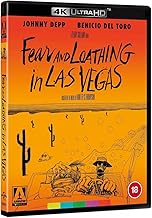
The 1998 film adaptation, directed by Terry Gilliam and starring Johnny Depp and Benicio del Toro, brought Fear and Loathing to a new generation. Depp's immersive performance, literally living in Thompson's basement to prepare, cemented the book's iconic status. The film's trippy visuals captured the novel's spirit, making phrases like "We can't stop here, this is bat country!" part of the pop culture lexicon. The work continues to inspire artists, writers, and musicians who see in Thompson a fearless truthteller.
Why 'Fear and Loathing in Las Vegas' Still Matters Today
Over fifty years later, Thompson's masterpiece remains startlingly relevant. Its critique of media sensationalism, political hypocrisy, and a society chasing hollow spectacles feels prophetic. In an age of curated social media personas and "fake news," the book's quest for a deeper, more authentic truth resonates powerfully. It serves as a cautionary tale and a rallying cry against passive acceptance, urging readers to look beyond the facade.
Exploring the World of Hunter S. Thompson
For those captivated by Fear and Loathing in Las Vegas, the journey doesn't have to end. Dive deeper into the Gonzo universe with Thompson's other works like *Hell's Angels* or *The Great Shark Hunt*. The Fear and Loathing ethos—a blend of savage satire, personal risk, and a relentless pursuit of truth—defines a unique literary territory that continues to challenge and inspire.
Ultimately, Fear and Loathing in Las Vegas is an essential American novel. It is a hilarious, terrifying, and brutally honest snapshot of a nation at a crossroads. Whether you're drawn to its iconic status, its revolutionary style, or its timeless themes, Thompson's journey into the heart of Las Vegas offers an unforgettable exploration of what happens when the dream fails and all you're left with is the fear and the loathing.

![Fear and Loathing in Las Vegas [DVD]](https://m.media-amazon.com/images/I/91RZMbnPpyL._AC_UY218_.jpg)
![Fear and Loathing in Las Vegas (The Criterion Collection) [4K UHD]](https://m.media-amazon.com/images/I/815Dxqc0X7L._AC_UY218_.jpg)
![Fear and Loathing in Las Vegas [Blu-ray]](https://m.media-amazon.com/images/I/71kZZqdD57L._AC_UY218_.jpg)
![Fear and Loathing in Las Vegas (The Criterion Collection) [Blu-ray]](https://m.media-amazon.com/images/I/81h7QOrWU6L._AC_UY218_.jpg)