Few novels have captured the restless, disillusioned spirit of youth quite like J.D. Salinger's masterpiece. Since its publication in 1951, The Catcher in the Rye has transcended its status as a mere book to become a cultural touchstone, a rite of passage for adolescents, and a subject of endless literary analysis. But what is it about the story of Holden Caulfield's turbulent weekend in New York City that continues to resonate so powerfully with readers, decade after decade? This exploration delves into the novel's timeless themes, its controversial history, and the reasons why this modern classic remains an essential read.
The Enduring Appeal of Holden Caulfield
At the heart of the novel's lasting power is its unforgettable narrator, Holden Caulfield. Holden is not a traditional hero; he is cynical, judgmental, often hypocritical, and struggling with profound grief. Yet, his voice—raw, authentic, and fiercely protective of innocence—strikes a universal chord. Readers, especially young ones, connect with his sense of alienation, his disgust with the "phoniness" of the adult world, and his desperate search for authenticity and connection. Holden's journey is a masterful portrayal of the painful transition from childhood to adulthood, a theme central to all coming-of-age fiction.
Core Themes That Transcend Time
The Catcher in the Rye explores several profound themes that are as relevant today as they were in the post-war 1950s.
Alienation and Loneliness
Holden's experience of feeling utterly alone in a crowded city mirrors a modern condition amplified by social media and digital connection. His inability to meaningfully connect, despite numerous attempts, speaks to a deep-seated human fear of isolation.
The Loss of Innocence
The novel's central metaphor—Holden's desire to be "the catcher in the rye" who saves children from falling off a cliff into adulthood—is a poignant expression of the desire to preserve purity in a corrupt world. This struggle against the inevitable loss of childhood naivety is a universal human experience.
Identity and Authenticity
Holden's crusade against "phonies" is, at its core, a search for truth and realness in himself and others. In an age of curated online personas, this quest for authentic identity remains a pressing concern for young people navigating societal expectations.
Controversy and Censorship: A Testament to Its Power
Interestingly, part of the novel's legacy is its history of being banned and challenged. Frequently cited for its profanity, sexual references, and portrayal of rebellion, The Catcher in the Rye has often been at the center of censorship debates. This controversy, however, has only cemented its status as an important and subversive text. It highlights the novel's willingness to confront uncomfortable truths about adolescence, mental health, and societal norms, topics that many institutions have historically sought to silence. Its survival and continued prominence on school syllabi worldwide are a testament to its undeniable literary and cultural value.
The Catcher in the Rye in the Literary Canon
As a cornerstone of 20th-century American literature, Salinger's work redefined narrative voice. The use of a first-person, colloquial, and deeply subjective perspective was groundbreaking. It paved the way for a more intimate and psychologically complex style of storytelling in literary fiction. The novel's influence can be seen in countless subsequent works that feature alienated adolescent protagonists.
Why New Generations Should Read It
Some may argue that a novel set in the 1950s has little to say to a 21st-century audience. This is a profound misconception. While the specifics of Holden's world—train stations, record players, phone booths—may feel dated, the emotional landscape is not. The feelings of anxiety, uncertainty, anger at injustice, and the fear of growing up are timeless. Reading The Catcher in the Rye offers readers a mirror to their own inner turmoil and, perhaps more importantly, a sense that they are not alone in feeling it. It validates complex emotions that are often dismissed as mere teenage angst.
Common Misconceptions and Reading Tips
Many first-time readers approach the novel expecting a straightforward plot or a likable hero. To fully appreciate Salinger's work, it's crucial to move beyond these expectations.
- Holden is an Unreliable Narrator: His perceptions are filtered through grief, trauma, and depression. The "truth" of events is often subjective.
- It's More Than a Teenage Rant: Beneath the surface cynicism is a deep well of compassion, particularly for his sister Phoebe and the memory of his brother Allie.
- The Ending is Ambiguous: The novel concludes not with a neat resolution, but with Holden in therapy, suggesting the beginning of a healing process. The focus is on the journey, not the destination.
Approaching the book with an understanding of Holden's psychological state allows for a richer, more empathetic reading experience.
A Legacy That Endures
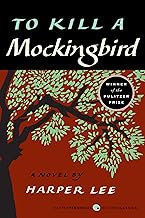
From its iconic red hunting cover to its unforgettable phrases, The Catcher in the Rye has embedded itself in the global consciousness. It is more than a bestseller; it is a companion for the lonely, a voice for the disaffected, and a masterpiece of psychological insight. Its continued relevance is not an accident but a result of Salinger's profound understanding of the human heart in conflict with itself and the world. Whether you're encountering Holden Caulfield for the first time or returning to his story, this classic novel promises a reading experience that is challenging, moving, and ultimately, unforgettable. It remains a vital piece of the literary landscape, compelling each new generation to ask its own questions about authenticity, connection, and what it means to grow up.