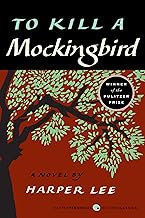
When discussing the pillars of American literature taught in schools, two titles invariably dominate the conversation: J.D. Salinger's The Catcher in the Rye and Harper Lee's To Kill a Mockingbird. Both novels have transcended their publication eras to become more than just books; they are cultural touchstones, moral compasses, and perennial fixtures on every high school reading list. While one follows a disillusioned teenager through the streets of New York and the other a young girl navigating racial injustice in the Deep South, their collective impact on readers and the literary canon is profound and enduring.
This deep dive explores why these two specific classic American novels, often studied in tandem or succession, continue to resonate with generation after generation. We'll examine their thematic cores, their iconic protagonists, their societal critiques, and the reasons they provoke such strong—and sometimes divisive—reactions, securing their places as essential coming-of-age stories.
The Protagonists: Holden Caulfield vs. Scout Finch
The heart of any great novel is its characters, and both Salinger and Lee created protagonists who have become archetypes. Holden Caulfield, the narrator of The Catcher in the Rye, is the quintessential alienated adolescent. His voice—cynical, vulnerable, and brutally observant of the "phoniness" of the adult world—captured a post-war teenage angst that felt revolutionary in 1951. Readers, especially young ones, have either seen themselves in Holden or have been profoundly affected by his raw, unfiltered perspective on loneliness, identity, and loss of innocence.
In contrast, Jean Louise "Scout" Finch of To Kill a Mockingbird offers a viewpoint grounded in childhood curiosity and a nascent moral compass. Through her eyes, we witness the complexities of her small Alabama town, Maycomb. Her coming-of-age story is not about internal rebellion against phoniness, but about an external education in empathy, justice, and human dignity. Guided by her father, Atticus, Scout learns to "climb into someone's skin and walk around in it." Her journey from innocence to a more nuanced understanding of good and evil is the engine of Lee's narrative.
Central Themes: Alienation vs. Social Justice
The thematic concerns of these novels define their lasting power. The Catcher in the Rye is an intensely personal, interior novel. Its primary themes revolve around:
- Alienation and Loneliness: Holden's feeling of being disconnected from family, school, and society.
- The Preservation of Innocence: His desire to be the "catcher in the rye," saving children from falling off the cliff into the corrupt adult world.
- Identity and Authenticity: His relentless hunt for what is real and genuine in a world he perceives as fake.
These themes speak directly to the universal adolescent experience of questioning one's place in the world, making the novel a timeless companion for young readers grappling with similar feelings.
To Kill a Mockingbird, while also a coming-of-age story, operates on a broader social canvas. Its themes are deeply woven into the fabric of American history and society:
- Racial Injustice and Moral Courage: The trial of Tom Robinson serves as the novel's moral center, challenging the ingrained racism of the community.
- Empathy and Compassion: Atticus's lessons to Scout and Jem form the ethical backbone of the story.
- The Loss of Innocence: Similar to Salinger's work, but here innocence is lost through exposure to societal evils like racism and hatred, rather than personal disillusionment.
- The Gothic South: The novel is a prime example of Southern Gothic literature, using a decaying setting to explore social tensions and moral crises.
Lee's novel uses Scout's personal growth as a lens to examine monumental societal failures, making it a powerful tool for discussing ethics, law, and civil rights.
Literary Legacy and Cultural Impact
Both novels arrived at critical moments and left an indelible mark. The Catcher in the Rye was controversial from the start, often banned for its profanity and themes of sexuality and alienation. Yet, this controversy fueled its iconic status as a symbol of youthful rebellion. It influenced countless artists, musicians, and writers, and Holden Caulfield's voice became a template for first-person, confessional narratives in modern fiction.
To Kill a Mockingbird achieved a different kind of acclaim. Published in 1960, it arrived at the dawn of the Civil Rights Movement and offered a searing, accessible critique of racial prejudice. It won the Pulitzer Prize in 1961 and was almost instantly canonized. Atticus Finch became a national symbol of integrity and the ideal lawyer. The novel's message of tolerance and justice made it a foundational text for teaching civic values, cementing Harper Lee's place in literary history with a single, monumental work.
Why They Remain on the High School Reading List
The pairing of these two books on curricula is not accidental. They offer complementary lessons. The Catcher in the Rye gives students a voice for their internal struggles—it validates feelings of confusion and anger towards adulthood. It teaches literary devices like voice, tone, and symbolism through a relatable, if difficult, protagonist.
To Kill a Mockingbird provides a framework for discussing external, historical, and societal issues. It introduces students to complex themes of law, morality, and social hierarchy. Studying them together allows educators to bridge the gap between the personal and the political, the internal and the external journeys of growing up. They are masterclasses in narrative perspective, showing how a story is fundamentally shaped by who is telling it—a cynical teen or an observant child.
Controversies and Modern Readings
No discussion of these classics is complete without acknowledging the debates they spark today. The Catcher in the Rye is sometimes criticized for centering a privileged, white, male narrative. Some modern readers find Holden whiny or unsympathetic. Similarly, To Kill a Mockingbird faces critiques for being a "white savior" narrative, where racial injustice is framed through the experiences of a white family and a heroic white lawyer, while Black characters like Tom Robinson and Calpurnia have less agency.
These critiques are vital to a contemporary understanding of the novels. They don't necessarily diminish the books' power but encourage a more nuanced reading. They prompt questions about who gets to tell which stories and how our understanding of classics evolves with time. Engaging with these controversies is part of what keeps the texts alive and relevant in classroom discussions.
Conclusion: Two Sides of the American Coin
In the end, The Catcher in the Rye and To Kill a Mockingbird represent two essential, intertwined strands of the American experience. One looks inward, grappling with the existential pain of individual consciousness and the fear of growing up. The other looks outward, confronting the systemic sins of a community and the moral courage required to stand against them.
Both are, at their core, about protecting innocence—Holden wants to literally catch children from falling, while Atticus strives to protect his children's moral innocence from the poison of prejudice. Their enduring presence on shelves and syllabi is a testament to their unparalleled ability to provoke thought, inspire empathy, and challenge readers to see the world—and themselves—more clearly. Whether you're drawn to Holden's raw New York odyssey or Scout's poignant Alabama summer, these classic American novels remain indispensable guides on the tumultuous journey from youth to adulthood.


