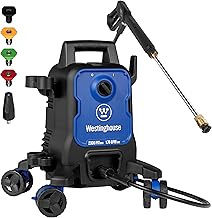
When it comes to tackling tough outdoor cleaning jobs, a reliable pressure washer is a game-changer. Among the many brands available, Ryobi has carved out a significant reputation for offering powerful, user-friendly, and versatile tools for homeowners and DIY enthusiasts. In this comprehensive guide, we'll dive deep into the world of Ryobi Pressure Washers, exploring their features, comparing models, and providing expert tips to help you get the most out of your machine. Whether you're washing your car, deck, siding, or driveway, understanding your equipment is the first step to professional-level results.
Why Choose a Ryobi Pressure Washer?
Ryobi, a brand under the Techtronic Industries (TTI) umbrella alongside Milwaukee Tool, is renowned for its "ONE+" battery system. This ecosystem allows users to power a vast array of tools with the same battery platform, offering incredible convenience and value. While many of their pressure washers are electric (corded), they also offer gas models and battery-powered options that integrate into this system. The primary appeal lies in their balance of performance, affordability, and innovative features designed for the average user. They are typically easier to start, maintain, and operate than many commercial-grade gas models, making them a perfect fit for residential use.
Key Features and Technologies
Ryobi pressure washers incorporate several technologies to enhance your cleaning experience. Many models feature a Total Stop System (TSS) that automatically shuts off the pump when the trigger is not engaged, saving energy and preventing wear. They often come with adjustable pressure settings and multiple spray tips (0°, 15°, 25°, 40°, and soap). The quick-connect wand and hose fittings make setup and storage a breeze. For those invested in the ecosystem, the battery-powered models offer cordless freedom, though with a trade-off in ultimate power compared to corded electric or gas units.
Comparing Popular Ryobi Pressure Washer Models
Ryobi offers a range of pressure washers to suit different needs and budgets. Understanding the differences is crucial for making the right purchase.
Electric Pressure Washers (Corded)
These are the most popular for home use. A model like the Ryobi RY142300 is a 2300 PSI, 1.2 GPM electric pressure washer. It provides ample power for decks, patios, furniture, and vehicles without the noise and maintenance of a gas engine. It's lightweight, easy to store, and ready to use right out of the box. For larger areas, a 3000 PSI model might be more suitable. The consistent water flow and pressure from an electric unit are often easier to control for delicate surfaces.
Gas-Powered Pressure Washers
When you need maximum power for large, heavily soiled areas like long driveways or to remove peeling paint, Ryobi's gas models step up. A unit like the Ryobi RY803400 offers 3400 PSI and 2.5 GPM. These are ideal for more demanding, prolonged tasks. They require more maintenance (oil, fuel, air filter) and are louder, but they deliver professional-grade cleaning force. They are not dependent on a nearby electrical outlet, offering complete mobility.
Battery-Powered Pressure Washers
Representing the pinnacle of convenience in the Ryobi Pressure Washer lineup, these cordless models, such as the 18V ONE+ 600 PSI model, are perfect for quick, light-duty jobs. Think washing mountain bikes, garden tools, outdoor toys, or small patio areas. Their lower pressure makes them safe for more delicate items. The major benefit is portability and the use of existing Ryobi ONE+ batteries, eliminating cords and fuel altogether.
Essential Maintenance Tips for Longevity
To ensure your Ryobi pressure washer serves you for years, proper care is non-negotiable. Always follow the manual, but here are universal tips.
After Each Use: This is the most critical routine. Never leave water in the pump. Using the pump saver/anti-freeze solution or compressed air, run the washer for 30 seconds after disconnecting the water supply to purge all water from the pump and hose. This prevents mineral buildup and corrosion. Wipe down the unit and check for any loose fittings or leaks.
Seasonal/Storage Care: For gas models, either run the engine until it's out of fuel or add a fuel stabilizer before long-term storage. Change the oil as recommended. For all types, store the machine in a clean, dry place. Coil the hoses loosely without kinks. Consider using pump protector fluid if storing in freezing conditions.
Inspect and Replace: Regularly inspect the O-rings, seals, and spray tips for wear. A worn tip can cause uneven pressure and damage the pump. Use only Ryobi-approved accessories or high-quality universal replacements to maintain performance and warranty.
Pro Tips for Effective and Safe Cleaning
Owning a powerful tool means using it wisely. Start by testing the pressure on an inconspicuous area. Always use the widest spray tip (40°) for general cleaning and work your way down to more concentrated angles only for stubborn stains. Maintain a consistent distance (usually 12-24 inches) and use a sweeping motion to avoid "water etching" or damage to surfaces like wood or vinyl siding. For vertical surfaces, work from the bottom up to prevent streaking. When using detergent, apply it with the low-pressure soap tip, let it dwell for 5-10 minutes (don't let it dry), and then rinse from the top down.
Common Mistakes to Avoid
Avoid using gasoline or kerosene in the detergent tank. Never point the spray wand at people, pets, or electrical fixtures. Do not use the 0° red tip on any surface close up, as it can cut through material, including skin. Always use a GFCI-protected outlet for electric models. Never run the pump without water flowing through it, as this can cause immediate and severe damage to the seals.
Choosing the Right Ryobi Pressure Washer for You
Your choice should be guided by your typical projects. For cars, windows, and patio furniture, a 1500-2000 PSI electric model is sufficient. For two-story house siding, large wooden decks, and driveways, look at 2500-3200 PSI models (electric or gas). If you have extensive concrete or need to strip paint, a 3000+ PSI gas model is the tool for the job. For ultimate convenience for small tasks, the battery-powered option is unmatched. Consider not just PSI (pressure) but also GPM (flow rate); a higher GPM will clean faster even at a slightly lower PSI.
Conclusion: Is a Ryobi Pressure Washer Worth It?
For the vast majority of homeowners, a Ryobi Pressure Washer represents an excellent value proposition. They offer a compelling mix of adequate power, innovative user-friendly features, and a price point that undercuts many professional brands while outperforming budget competitors. Their integration into the ONE+ system (for cordless tools) is a huge bonus for existing Ryobi users. By selecting the right model for your needs and committing to simple maintenance, you can invest in a tool that will keep your property looking its best for a decade or more. Remember, the key to pressure washing success is not just brute force, but the right technique paired with the right machine.