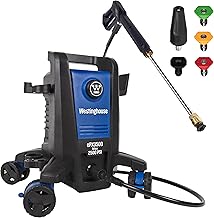
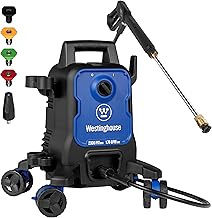
When it comes to tackling grime on your car, driveway, patio, or garage, a powerful yet manageable cleaning tool is essential. Many homeowners and DIY enthusiasts are turning to electric pressure washers for their convenience and effectiveness. Among the popular choices, the CMEPW1700 electric pressure washer stands out as a compelling option, offering a robust 1700 PSI and 1.2 GPM in a compact, user-friendly package. This guide will help you understand the key features to look for and how a well-designed electric model can revolutionize your cleaning routine without the bulk and complexity of gas-powered units.
Why Choose a Lightweight Electric Pressure Washer?
The primary advantage of an electric pressure washer is its ease of use. Unlike gas models, they start with the simple flip of a switch, require no fuel mixing, and produce significantly less noise and fumes. This makes them ideal for residential areas and for users who value a quick, hassle-free setup. A lightweight pressure washer takes this a step further by being easy to maneuver, store, and transport. Whether you're washing your car in the driveway or cleaning the patio furniture, a lighter machine reduces fatigue and increases the likelihood you'll actually use it for those smaller, more frequent jobs.
Understanding Pressure and Flow: 1700 PSI & 1.2 GPM Explained
Pressure (measured in PSI - Pounds per Square Inch) and flow rate (measured in GPM - Gallons per Minute) are the two most critical specs for any pressure washer. The 1700 PSI rating of the CMEPW1700 provides enough force to strip away dirt, mildew, and loose paint from surfaces like concrete driveways and wooden decks. The 1.2 GPM flow rate ensures a consistent stream of water to rinse away the dislodged debris. This combination is particularly well-suited for a car washer and patio cleaner, as it is powerful enough for the task yet gentle enough not to damage automotive paint or patio stone when used with the correct nozzle.
The Compact Design Advantage for Home Use
Storage space is often at a premium in garages and sheds. A compact pressure washer like the CMEPW1700 addresses this concern head-on. Its design prioritizes a small footprint without sacrificing core performance. This means you can easily tuck it away in a corner or on a shelf, making it a permanent, accessible part of your home maintenance toolkit rather than a bulky item you have to wrestle in and out of storage.
Key Applications: From Cars to Driveways
Automotive Cleaning
Using a pressure washer on your vehicle can save time and water compared to a traditional hose and bucket. The key is to use a wide-angle (40-degree) nozzle and maintain a safe distance to prevent paint damage. The controlled power of a 1700 PSI electric unit is perfect for safely blasting away road salt, mud, and brake dust from wheel wells, undercarriages, and body panels.
Driveway and Patio Revival
Concrete and stone surfaces are magnets for oil stains, algae, and embedded dirt. A driveway cleaner needs enough punch to lift these stains. The 1700 PSI force, especially when paired with a dedicated concrete cleaning nozzle or a mild detergent, can make short work of years of buildup, restoring your outdoor surfaces to a like-new appearance.
General Home Exterior Maintenance
Beyond cars and driveways, a versatile electric pressure washer is excellent for cleaning siding, fences, outdoor furniture, garbage bins, and garage floors. Its cold water pressure washer design is perfectly adequate for 99% of household cleaning tasks, eliminating the need for a more expensive and complex hot-water model.
Comparing Your Options: Electric Pressure Washer Landscape
While the CMEPW1700 offers a great balance of power and portability, it's wise to consider the market. A major competitor often considered is the Ryobi pressure washer line. Ryobi offers several electric models with varying PSI and GPM ratings. When comparing, look beyond just the peak pressure number. Consider the unit's weight, hose length, included nozzles, warranty, and overall build quality. Some users prioritize brand ecosystem (like Ryobi's ONE+ battery system), while others value the plug-and-play simplicity of a dedicated corded unit like the CMEPW1700.
Common Mistakes to Avoid with Electric Pressure Washers
Even with a user-friendly machine, mistakes can happen. A major error is using the wrong nozzle for the surface, which can cause etching on concrete or stripping paint. Always start with the widest spray pattern and move closer cautiously. Another pitfall is neglecting to use a dedicated pressure washer detergent for tough jobs; plain water often isn't enough. Finally, never point the spray gun at people, pets, or electrical fixtures, and always wear protective footwear.
Making the Right Choice for Your Needs
Choosing the right pressure washer comes down to assessing your typical projects. For the vast majority of homeowners looking for a machine to handle cars, decks, patios, and siding, a electric pressure washer in the 1500-2000 PSI range is the sweet spot. The CMEPW1700, with its emphasis on being a lightweight, corded power washer, hits this mark effectively. Its 1700-PSI, 1.2-GPM specification provides ample cleaning power for stubborn dirt while its compact design ensures it won't be a burden to use or store.
Before making a purchase, consider the accessories you might need, such as extension wands, surface cleaners, or specific cleaning chemicals. A machine that seems like a bargain may lack crucial features or durability. Investing in a well-built unit from the start, whether it's the featured CMEPW1700 or a comparable Ryobi model, will pay off in performance and longevity, making outdoor cleaning a quick and satisfying task rather than a dreaded chore.