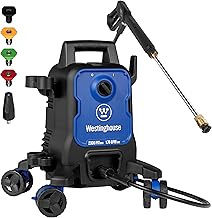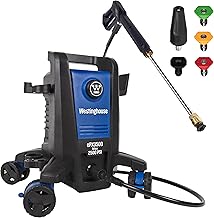
Choosing the right electric pressure washer can transform your cleaning tasks from a chore into a quick, satisfying job. With so many models on the market, two names often come up for homeowners: the feature-packed EPX3500 and the popular Ryobi pressure washer lineup. This detailed comparison will break down the key differences in power, design, safety, and overall value to help you decide which machine is the perfect fit for your garage, driveway, patio, or car.
When investing in a pressure washer, you're not just buying a tool; you're buying time and efficiency. The right model makes cleaning your fence, deck, or siding a breeze, while the wrong one can lead to frustration and subpar results. We'll examine these machines through the lens of real-world use, focusing on what matters most for residential cleaning projects.
Power and Performance: PSI and GPM Explained
At the heart of any pressure washer comparison is its cleaning power, defined by PSI (Pounds per Square Inch) and GPM (Gallons Per Minute). The EPX3500 electric pressure washer delivers a robust 2500 Max PSI and 1.76 Max GPM. This combination provides a strong stream capable of tackling stubborn dirt on concrete driveways and greasy grime on garage floors. Ryobi offers a range of models, typically from 1600 PSI to over 2300 PSI. While some Ryobi models approach similar power levels, the EPX3500's specification positions it strongly for medium-duty tasks, effectively bridging the gap between light-duty and professional-grade machines.
A higher GPM, like the 1.76 on the EPX3500, means it can rinse away loosened debris faster, reducing your overall cleaning time. For washing your car or cleaning patio furniture, a balanced PSI and GPM is crucial to provide enough power without risking damage to surfaces. It's this balance that makes a dedicated pressure washer for cars or home use so valuable compared to a simple garden hose.
Key Features Face-Off: Innovation vs. Brand Ecosystem
EPX3500's Standout Innovations
The EPX3500 isn't just about raw power; it incorporates thoughtful features designed for safety and convenience. Its patented Anti-Tipping Technology is a major differentiator. This system adds stability, preventing the machine from rocking or tipping over during operation, especially when pulling the trigger or maneuvering the wand. This is a significant safety and usability advantage, particularly on uneven surfaces like a driveway slope.
Another huge convenience is the onboard soap tank. Instead of fiddling with separate soap bottles or suction tubes, you can fill the integrated tank with your preferred cleaning detergent. This streamlines the process when applying soap to your house siding or deck before switching to the high-pressure rinse. The pro-style steel wand and included 5-nozzle set (typically offering 0°, 15°, 25°, 40°, and soap applicator patterns) provide professional-grade control, allowing you to match the spray pattern to the task, from a pinpoint jet for tough stains to a wide fan for gentle rinsing.
The Ryobi Pressure Washer Approach
Ryobi pressure washers are known for their reliability and integration within the expansive Ryobi ONE+ battery ecosystem if you opt for a cordless model. This can be a decisive factor for users who already own Ryobi batteries and tools, offering the convenience of a cord-free experience. Their designs are generally straightforward and user-friendly, making them a solid choice for the average homeowner. However, they may lack some of the specialized integrated features like a large onboard soap tank or advanced anti-tipping systems found on the EPX3500.
Ideal Use Cases: Matching the Machine to Your Tasks
Your cleaning checklist should guide your purchase. For general pressure washer for home use—including cars, patio furniture, garden tools, and light driveway stains—both brands offer capable models. However, for more demanding or frequent jobs, the scales may tip.
If your primary focus is pressure washer for driveways, fences, and large paved areas, the higher PSI and GPM of the EPX3500 will help you complete the job faster. The anti-tipping feature is also more valuable here, as you're likely moving the machine over larger, potentially uneven areas. For users who prioritize ultimate convenience and safety features in a single package, the EPX3500's integrated design is compelling. For those deeply invested in a cordless tool ecosystem or who need a highly portable solution for smaller, more frequent tasks, a Ryobi model, especially a battery-powered one, could be the perfect fit.
Durability and Design Considerations
Build quality dictates longevity. The EPX3500 emphasizes durability with components like its pro-style steel wand, which is more resistant to wear and impact than plastic alternatives. The overall chassis is built to withstand the rigors of residential use. Ryobi constructs its pressure washers to be robust for their price point, often using a mix of metal and high-strength plastics. When evaluating any electric pressure washer, consider the pump's quality—it's the heart of the machine. Both brands utilize axial cam pumps, which are standard and reliable for electric models, but overall construction and feature integration can affect long-term satisfaction.
Value Proposition: Price vs. Performance
Determining the best pressure washer isn't just about the lowest price; it's about the features and performance you get for your money. The EPX3500 often positions itself as a premium home model, bundling its higher power output, anti-tipping technology, and onboard soap tank into its value. You're paying for these integrated conveniences and safety features. Ryobi pressure washers often compete aggressively on price, providing reliable performance at a very accessible cost. Your decision hinges on whether you value a lower upfront cost or are willing to invest more for a feature set that enhances safety, convenience, and potentially speed on larger jobs.
Final Verdict: Which One Should You Choose?
This isn't about declaring one brand the universal winner, but about matching the tool to the user. Choose the EPX3500 Electric Pressure Washer if: You regularly clean large, tough areas like driveways and fences; you value innovative safety features like anti-tipping technology; you prefer the convenience of an integrated onboard soap tank; and you want a machine with a robust feel and professional-style accessories right out of the box.
Consider a Ryobi pressure washer if: You are already part of the Ryobi battery ecosystem and want cordless convenience; your cleaning tasks are mostly light to medium duty (cars, patios, outdoor furniture); you prioritize a lower initial investment; or you prefer the widespread availability of brand-specific parts and accessories.
Ultimately, both the EPX3500 and Ryobi models are excellent examples of how modern 2500 psi pressure washer technology brings powerful cleaning to the homeowner. By carefully weighing the importance of power, specific features like anti-tipping pressure washer stability, design integration, and your personal budget, you can confidently select the electric pressure washer that will keep your property looking its best for years to come.