If you've ever wrestled with a rock-solid block of frozen soup or sauce, desperately trying to chip off a single serving, you understand the kitchen struggle. Traditional freezing methods often lead to waste, freezer burn, and frustration. This is where innovative Souper Cubes and similar silicone freezer molds come in, transforming a chaotic freezer into an organized hub of ready-to-go meals. This comprehensive guide dives deep into the world of these essential meal prep essentials, explaining not just how they work, but the science and strategy behind why they are a game-changer for home cooks, busy parents, and health-conscious individuals alike.
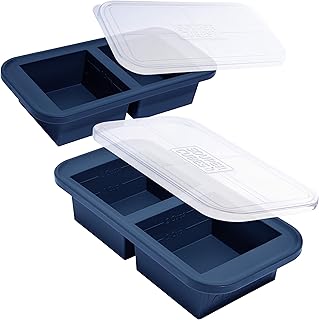
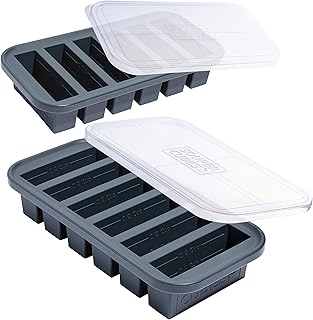
At their core, products like the Silicone Freezer Molds Gift Set are designed to solve specific problems inherent to conventional freezing. Unlike rigid plastic containers or flimsy bags, flexible silicone allows for easy pop-out removal. The inclusion of airtight lids is a critical feature often overlooked in cheaper trays; it prevents freezer burn by creating a seal, locking in moisture and flavor. This combination of flexible material and secure lids addresses the two biggest enemies of frozen food: difficult extraction and quality degradation.
The Science Behind Silicone: Why It's the Ideal Freezer Material
Not all silicone is created equal, but food-grade platinum silicone—commonly used in high-quality silicone freezer molds—offers distinct advantages. Its non-stick properties are inherent and don't wear off like coatings on pans, meaning you won't need to grease the molds. Silicone is also temperature resilient, handling extreme cold without becoming brittle and extreme heat (often up to 450°F) for direct reheating. This thermal stability prevents chemicals from leaching into your food, a concern with some plastics. Furthermore, its flexibility is key to the "pop" function, reducing the need to run trays under water or risk breaking them.
Beyond Soup: The Versatile Uses of Portioned Freezer Trays
While the name Souper Cubes hints at its purpose, the utility of these trays stretches far beyond liquid assets. Their true power lies in enabling perfect portion control for a wide array of foods. Consider these applications:
- Baby Food & Toddler Meals: Puree fruits, vegetables, and proteins in bulk and freeze in 2-tbsp portions for quick, healthy meals.
- Coffee & Herbal Tea: Freeze brewed coffee or tea into cubes for iced drinks without dilution.
- Herbs in Oil/Butter: Preserve chopped herbs by mixing them with olive oil or melted butter and freezing in small portions.
- Broths & Stocks: Having precisely measured 1-cup frozen blocks of homemade stock streamlines weeknight cooking.
- Cookie Dough & Batters: Portion dough for single-serving cookies or muffin batter for fresh-baked treats anytime.
- Leftover Wine/Sauce: Don't let the last half-cup of wine or sauce go to waste—freeze it for future recipes.
This versatility makes them a cornerstone of efficient kitchen storage systems, moving beyond mere containers to active cooking accessories that prep for future you.
Common Mistakes and How to Avoid Them (The "Don'ts")
Even with a brilliant tool, user error can lead to subpar results. Here are the top pitfalls to avoid with your freezer molds:
- Overfilling the Cavities: Liquids expand when frozen. Filling to the absolute brim will cause the cube to dome upward, making it impossible to get a flat, stackable block and potentially causing leaks. Leave about 1/4 inch of headspace.
- Not Using the Lids (or Using Improper Lids): The lids are not optional for long-term storage. Skipping them invites freezer burn. Ensure the lids are snapped on securely to create an airtight seal. For the gift set with multiple tray sizes, don't mix and match lids, as they are sized specifically.
- Trying to Pop Out Cubes Too Early: Impatience leads to broken cubes. Ensure food is completely frozen solid—usually a minimum of 4-6 hours, but overnight is best. If a cube resists, let the tray sit on the counter for 60-90 seconds; the slight warmth from your hands can help release it.
- Using Abrasive Cleaners: Harsh scouring pads or abrasive cleaners can damage the silicone surface. Most trays are dishwasher-safe (top rack recommended), but a simple wash with warm, soapy water is sufficient.
- Only Using One Size: Relying solely on a 2-cup tray for small items like pesto is inefficient. The value of a set with multiple sizes (like 2 Tbsp, 1/2 cup, 1 cup, 2 cup) is the flexibility to match the portion to the ingredient, maximizing freezer space and convenience.
Building a Meal Prep Ecosystem with Your Freezer
To truly harness the power of silicone freezer trays with lids, integrate them into a broader meal prep strategy. Dedicate a weekend session to making large batches of foundational items: a big pot of chili, a roast chicken with pan juices, a vegetable-packed pasta sauce, and a batch of quinoa. Portion each into appropriate-sized cubes. Once frozen solid, pop them out and transfer the blocks to a labeled freezer bag. This "banking" system frees up your trays for immediate reuse and creates a modular inventory. On a busy Wednesday, you can grab a block of chili, a block of rice, and a block of shredded cheese for a quick, homemade dinner in minutes.
Comparing the Silicone Freezer Molds Gift Set Advantage
While individual trays are useful, a comprehensive set like the Aqua Silicone Freezer Molds Gift Set offers a strategic advantage. Having four distinct portion sizes (2 Tbsp, 1/2 cup, 1 cup, 2 cup) at your disposal means you're prepared for any food preservation task. The 2-tbsp size is perfect for herb pastes, lemon juice, or single servings of baby food. The 1/2 cup is ideal for individual portions of oatmeal, rice, or chopped onions. The 1-cup and 2-cup sizes handle standard recipe measurements for broths, soups, and sauces. This graduated system eliminates guesswork and ensures you always have the right tool for the job, making your freezer an extension of your pantry.
In conclusion, embracing Souper Cubes and high-quality silicone molds is more than just buying a kitchen gadget; it's adopting a smarter approach to food management. By understanding the material science, avoiding common pitfalls, and leveraging the versatility of a multi-size set, you turn your freezer from a black hole of forgotten leftovers into a visible, organized, and invaluable resource. It empowers you to cook smarter, reduce waste, and always have a home-cooked component on hand, ultimately saving time, money, and stress in the kitchen.