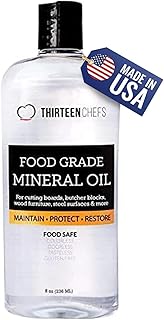
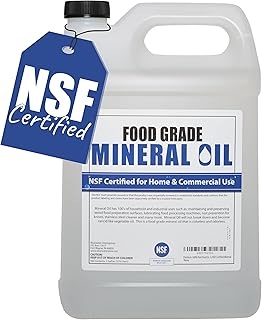
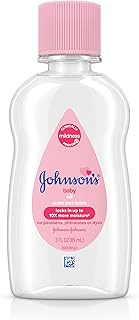
Mineral oil is a versatile and widely used hydrocarbon substance derived from petroleum. Often perceived as a simple product, its applications span from industrial machinery to personal care cabinets and even food processing. This colorless, odorless, and tasteless oil serves as a foundational ingredient in countless products, making it a staple in both professional and household settings. Understanding its properties, benefits, and appropriate uses is key to leveraging its full potential safely and effectively.
What is Mineral Oil?
At its core, mineral oil is a highly refined, purified liquid by-product of the distillation of petroleum to produce gasoline and other petroleum-based products. The refinement process removes impurities and reactive compounds, resulting in a stable, inert oil. It is primarily composed of saturated hydrocarbons, specifically alkanes and cycloalkanes. Its classification can vary based on viscosity and refinement grade, ranging from light, highly refined oils used in cosmetics and pharmaceuticals to heavier grades employed for industrial lubrication.
Common Uses and Applications of Mineral Oil
1. Industrial and Mechanical Lubrication
One of the primary roles of mineral oil is as a lubricant. Its stable, non-reactive nature makes it ideal for protecting metal parts from friction, wear, and corrosion. You'll find it in:
- Machine Tools: Light-grade mineral oils are used to lubricate cutting tools and machinery, ensuring smooth operation and extending equipment life.
- Electric Motors and Transformers: Certain high-grade mineral oils act as insulating and cooling fluids.
- General Purpose Lubrication: For hinges, bicycle chains, and other household mechanical items where a non-greasy, clean lubricant is preferred.
2. Personal Care and Cosmetics
Highly refined, cosmetic-grade mineral oil is a common ingredient in skincare and beauty products. Its occlusive properties help to lock in moisture, making it effective in:
- Moisturizers and Lotions: It forms a protective barrier on the skin, preventing water loss and soothing dry, irritated skin.
- Baby Oil: Primarily composed of mineral oil, it's used for gentle massage and to protect a baby's sensitive skin.
- Makeup Removers and Cleansing Oils: It effectively dissolves makeup and sunscreen without stripping the skin's natural oils.
- Hair Care: Sometimes found in hair serums to add shine and reduce frizz.
3. Pharmaceutical and Medical Uses
In the medical field, USP (United States Pharmacopeia) grade mineral oil is used for its laxative effects. It works as a stool softener and lubricant in the intestines. It's also used as a base or carrier oil in various ointments and topical medications.
4. Food Industry Applications
Food-grade mineral oil is used in very specific applications where incidental contact with food is possible. It can be found as a release agent on baking pans, in food packaging, and as a coating for certain fruits and vegetables to retain moisture and enhance appearance. It's important to note that food-grade mineral oil is held to stringent purity standards.
5. Woodworking and Furniture Care
Mineral oil is a popular choice for treating and preserving wooden cutting boards, butcher blocks, and salad bowls. Unlike vegetable oils, it doesn't turn rancid. It penetrates the wood, providing a water-resistant barrier and bringing out the natural grain. Many woodworkers appreciate its food-safe properties for kitchenware.
Benefits and Advantages of Using Mineral Oil
The widespread use of mineral oil is attributed to several key benefits:
- Stability and Long Shelf Life: It is chemically inert and resistant to oxidation, meaning it doesn't spoil or degrade quickly like organic oils.
- Hypoallergenic: Highly refined cosmetic-grade mineral oil is generally non-comedogenic (doesn't clog pores for most people) and has a low risk of causing allergic reactions, making it suitable for sensitive skin.
- Excellent Occlusive Agent: Its ability to form a protective barrier on skin and surfaces is unmatched, making it superb for moisture retention and protection.
- Cost-Effectiveness: It is relatively inexpensive to produce and purchase compared to many synthetic or plant-based alternatives.
- Versatility: As outlined above, its applications are incredibly diverse, from heavy industry to delicate skincare.
Safety Considerations and Potential Drawbacks
While mineral oil is generally safe when used appropriately, understanding its limitations is crucial.
Safety in Personal Care
Cosmetic-grade mineral oil is considered safe by regulatory bodies like the FDA and the Cosmetic Ingredient Review (CIR) Expert Panel. However, some individuals with very specific skin conditions may find it too occlusive. The key is to use the correct grade; industrial mineral oil should never be applied to the skin.
Environmental Impact
As a petroleum-derived product, the environmental footprint of its production is a consideration. Spills of large quantities can be harmful. Proper disposal according to local regulations is essential. For eco-conscious consumers, plant-based alternatives like jojoba or almond oil may be preferred for personal care uses.
Internal Use Caution
Mineral oil should only be taken internally if it is specifically labeled for laxative use and under the guidance of a healthcare professional. Inhaling mineral oil mist (a risk in certain industrial settings) can cause lung problems.
How to Choose the Right Mineral Oil
Selecting the correct type is paramount for safety and efficacy. Always match the grade to the intended use. For personal care, woodworking, or any application involving contact with skin or food, look for labels specifying "USP," "Food Grade," or "Cosmetic Grade." For industrial lubrication, the required viscosity and specifications will depend on the machinery manufacturer's guidelines. When in doubt, consult the product's Safety Data Sheet (SDS) or a knowledgeable supplier. Exploring resources under the Mineral Oil tag can provide further product-specific insights.
Frequently Asked Questions (FAQ)
Is mineral oil safe for skin?
Yes, highly refined cosmetic-grade mineral oil is considered safe and non-toxic for topical use on skin. It is a common ingredient in many dermatologist-recommended products for managing dry skin conditions like eczema.
What's the difference between mineral oil and baby oil?
Baby oil is typically 100% mineral oil, often with added fragrance. So, while all baby oil is mineral oil, not all mineral oil is formulated or fragranced for use as baby oil.
Can I use mineral oil on my wooden cutting board?
Absolutely. Food-grade mineral oil is one of the best and most recommended treatments for wooden cutting boards and butcher blocks because it is odorless, tasteless, and won't go rancid.
Is mineral oil biodegradable?
No, mineral oil is not readily biodegradable. It is derived from petroleum and breaks down very slowly in the environment, which is why proper disposal is important.
Conclusion
Mineral oil remains a remarkably useful substance with a proven track record across numerous industries. Its value lies in its stability, effectiveness, and versatility. Whether you're maintaining machinery, crafting a skincare routine, or preserving a cherished wooden item, using the correctly graded mineral oil for the purpose is essential. By understanding its properties, benefits, and safety guidelines, you can confidently incorporate this common yet powerful oil into your projects and daily life, appreciating its role as a simple solution to a wide array of needs.