When it comes to maintaining a safe and beautiful kitchen, few products are as versatile and essential as food-grade mineral oil. This clear, odorless oil is a staple for chefs, woodworkers, and homeowners who value both functionality and safety. Unlike vegetable oils that can turn rancid or varnishes that create a plastic-like barrier, mineral oil penetrates deep into porous materials, providing lasting protection without compromising food safety. This guide will explore its myriad uses, focusing on how it can extend the life and beauty of your wood cutting boards, butcher blocks, countertops, and even metal tools.
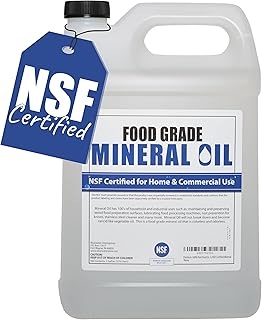
At its core, mineral oil is a highly refined, petroleum-based product. The key distinction for kitchen use is its “food-grade” or “USP” (United States Pharmacopeia) designation. This means it has been purified to remove any harmful substances, making it non-toxic and safe for incidental food contact. It won’t spoil, doesn’t have a taste or smell, and creates a water-resistant barrier that is perfect for protecting natural materials. For anyone serious about kitchen maintenance, understanding the properties of a high-quality food grade mineral oil is the first step toward proper care.
Why Mineral Oil is the Gold Standard for Wood Care
Wood is a living, breathing material even after it’s been crafted into a cutting board or countertop. It expands and contracts with changes in humidity and temperature. Without proper protection, moisture from food, washing, and the air can cause wood to warp, crack, or become a breeding ground for bacteria. This is where mineral oil shines. Its primary role is as a wood cutting board conditioner. When applied, the oil is absorbed into the wood fibers, displacing moisture and creating a hydrophobic layer from within. This prevents water, juices, and stains from penetrating the surface, keeping your board sanitary and structurally sound.
The process of oiling isn’t just about protection; it’s about enhancement. Regular application of a dedicated butcher block oil like mineral oil brings out the wood’s natural grain and color, giving it a rich, warm luster. It prevents the dry, grayish look that neglected wood develops. For end-grain butcher blocks, which are prized for their durability and knife-friendly surface, consistent oiling is non-negotiable to maintain their integrity and self-healing properties.
Step-by-Step: How to Condition Your Wood Cutting Board
Proper application ensures maximum absorption and protection. Here’s a simple, effective method:
- Clean Thoroughly: Wash your board with mild soap and warm water. Allow it to dry completely for several hours or overnight. Oiling damp wood traps moisture inside, which can lead to mold.
- Apply Generously: Pour a generous amount of mineral oil onto the board. Using a clean, soft cloth or paper towel, rub the oil into the wood, following the direction of the grain. Don’t be shy—the wood should look wet and saturated.
- Let it Soak: Allow the oil to soak in for at least 20-30 minutes, or even several hours for a very dry board. Reapply oil to any areas that absorb it quickly and appear dry.
- Wipe Off Excess: After soaking, use a clean cloth to wipe away any oil that hasn’t been absorbed. A sticky surface means you have leftover oil that needs to be removed.
- Cure: Let the board rest in a well-ventilated area, untouched, for 6-12 hours before using it again.
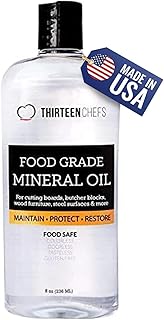
For a new board or one that has been severely neglected, you may need to repeat this process 2-3 times over consecutive days. For maintenance, oiling your board once a month is a good rule of thumb, or whenever the wood starts to look pale and dry. A product like the Thirteen Chefs Mineral Oil is specifically formulated for this task, offering a convenient 8-ounce size that’s perfect for regular kitchen upkeep.
Beyond the Board: Other Essential Kitchen Uses
The utility of mineral oil extends far beyond your cutting board. Its food-safe, non-drying properties make it ideal for a variety of kitchen applications.
1. Wooden Countertops and Butcher Blocks
Treating a large wood countertop treatment follows the same principle as a cutting board but on a larger scale. Consistent oiling protects against water rings from glasses, stains from spills, and general wear and tear. It keeps the surface hygienic and beautiful, making it a safe food preparation area.
2. Knife and Tool Maintenance
High-carbon steel knives are prone to rust and corrosion. A thin, protective coat of mineral oil on the blade after cleaning and drying can prevent this. It also serves as an excellent knife lubricant for pivot points on folding knives or kitchen shears. Furthermore, it can be used to lubricate and protect the gears and parts of manual meat grinders, preventing rust and ensuring smooth operation without contaminating food.
3. Stone Surface Care (Marble & Soapstone)
This is a critical application. Many oils and sealers can stain or damage porous natural stone. However, a pure, USP grade mineral oil is often recommended by stone fabricators as a safe treatment for honed (matte finish) marble and soapstone. It darkens the stone uniformly, enhancing its color and providing a degree of stain resistance without creating a harmful film. Always test in an inconspicuous area first, but it is widely considered a marble safe oil for maintenance.
4. Wooden Utensils and Salad Bowls
Any wooden item that comes into contact with food benefits from an occasional oiling. Spoons, spatulas, bowls, and rolling pins will last longer, resist absorbing food odors, and maintain their smooth finish when treated with food-grade mineral oil.
Choosing the Right Mineral Oil: What to Look For
Not all mineral oils are created equal. For kitchen and food-contact use, specificity is key. Always look for a product labeled “Food Grade,” “Food Safe,” or “USP.” This guarantees the level of refinement necessary for safety. Avoid industrial or laxative-grade mineral oils, as they may contain additives or impurities. A dedicated kitchen conditioner, like the Thirteen Chefs formula, takes the guesswork out of the process. It’s presented as a ready-to-use conditioner, ensuring you are getting a product vetted for this specific purpose.
Safety and Best Practices
While food-grade mineral oil is non-toxic, following best practices ensures optimal results and safety:
- Use Sparingly on Stone: For marble or soapstone, apply a very thin coat, wipe off all excess, and buff thoroughly. The goal is to enhance, not seal.
- Test First: Always test on a small, hidden area of any new surface, especially stone or exotic wood.
- Store Properly: Keep the bottle in a cool, dry place away from direct sunlight.
- Combine with Beeswax: For a more durable, water-repellent finish on wood, consider a blend of mineral oil and beeswax. The oil penetrates, while the wax creates a protective top layer.
By incorporating mineral oil into your kitchen maintenance routine, you invest in the longevity and safety of your tools and surfaces. It’s a simple, cost-effective step that preserves beauty, promotes hygiene, and honors the natural materials in your home. Whether you’re reviving an old family cutting board or maintaining a new stone countertop, a bottle of high-quality, food-grade mineral oil is an indispensable ally in the kitchen.