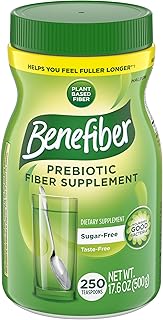
In the world of digestive health and wellness, few names are as recognizable as Benefiber. This popular fiber supplement has been a mainstay in pharmacies and health food stores for years, promising an easy and convenient way to increase daily fiber intake. But with so many options on the market, is Benefiber truly effective? How does it work, and who is it best suited for? In this comprehensive guide, we'll dive deep into everything you need to know about Benefiber, from its unique properties and health benefits to potential side effects and practical usage tips. Whether you're considering it for regularity, cholesterol management, or overall gut health, this review will help you make an informed decision.
What is Benefiber? Understanding the Basics
Benefiber is an over-the-counter dietary supplement whose primary active ingredient is wheat dextrin, a form of soluble fiber derived from wheat. Unlike some bulk-forming fibers, wheat dextrin is unique because it is tasteless, odorless, and dissolves completely in hot or cold liquids and soft foods without changing their texture or flavor. This makes it incredibly versatile and easy to incorporate into your daily routine. You can stir it into water, coffee, juice, yogurt, applesauce, soups, or even baked goods. The core promise of Benefiber is to provide a simple, non-disruptive way to boost your fiber intake, which is crucial since most adults fall short of the recommended 25-38 grams per day.
The Science Behind Benefiber: How Soluble Fiber Works
To appreciate what Benefiber does, it's important to understand soluble fiber. Unlike insoluble fiber (which adds bulk to stool), soluble fiber, like wheat dextrin, dissolves in water to form a gel-like substance in the digestive tract. This gel has several key functions. First, it helps soften stool, making it easier to pass and promoting regularity—a primary reason many people turn to Benefiber. Second, this gel can slow down digestion, which helps you feel fuller for longer and may support weight management goals. Third, soluble fiber can bind to dietary cholesterol in the gut, helping to reduce its absorption and thereby supporting healthy cholesterol levels. Finally, it acts as a prebiotic, feeding the beneficial bacteria in your gut microbiome, which is essential for overall digestive and immune health.
Key Benefits of Using Benefiber
1. Promotes Healthy Digestion and Regularity
The most well-known benefit of Benefiber is its ability to alleviate occasional constipation and promote regular bowel movements. By increasing soluble fiber intake, it helps normalize digestion gently and effectively.
2. Supports Heart Health
Regular consumption of soluble fiber is associated with maintaining healthy cholesterol levels already within the normal range. Incorporating Benefiber as part of a heart-healthy diet can be a proactive step.
3. Aids in Weight Management
The satiety-promoting effect of soluble fiber can help curb appetite and reduce overall calorie intake, making it a useful tool for those managing their weight.
4. Nourishes Gut Bacteria
As a prebiotic, the wheat dextrin in Benefiber serves as food for probiotics (good bacteria), promoting a balanced and healthy gut environment.
5. Unmatched Convenience and Versatility
The dissolvable, tasteless nature of Benefiber sets it apart. It eliminates the gritty texture of some psyllium husk powders, making it far easier to consume consistently.
Potential Side Effects and Considerations
While Benefiber is generally well-tolerated, introducing any fiber supplement too quickly can cause gas, bloating, or abdominal discomfort. The key is to start with a small dose (perhaps half a serving) and gradually increase it over a week or two while drinking plenty of water. Adequate hydration is critical, as fiber absorbs water in the gut. Since Benefiber contains wheat dextrin, individuals with celiac disease or a severe wheat allergy should consult their doctor, although the manufacturing process removes gluten proteins. It's also crucial to note that while Benefiber can help with occasional constipation, it is not a treatment for chronic digestive conditions. If you have persistent issues, consult a healthcare professional.
How to Use Benefiber Effectively
For best results, follow the package directions, typically starting with one to two teaspoons (or the provided scoop) mixed into 8 ounces of liquid or soft food, up to three times daily. Consistency is more important than a large single dose. Spread your intake throughout the day. Remember, Benefiber is a supplement, not a replacement for high-fiber foods like fruits, vegetables, legumes, and whole grains. Aim to build a diet rich in diverse fiber sources and use Benefiber to fill in the gaps. Always take it with a full glass of water if consumed alone.
Benefiber vs. Other Fiber Supplements
How does Benefiber stack up against the competition? Psyllium husk (found in Metamucil) is a bulk-forming fiber that is very effective but often has a gritty texture and must be consumed quickly before it thickens. Methylcellulose (Citrucel) is non-fermentable, meaning it's less likely to cause gas, but it also doesn't provide prebiotic benefits. Inulin or chicory root fiber is a strong prebiotic but can cause significant gas and bloating in some people. The advantage of Benefiber lies in its discretion and ease of use. It's an excellent choice for those who prioritize convenience and have a sensitive palate, but it may be less potent per gram for severe constipation than psyllium.
Who Should Consider Taking Benefiber?
Benefiber is ideal for: Adults who struggle to get enough fiber from diet alone; Individuals seeking a gentle, convenient solution for occasional irregularity; People looking for a heart-healthy supplement to support cholesterol management; Anyone who has disliked the texture or taste of other fiber powders. It may not be the first choice for those with severe constipation requiring a high-dose bulk fiber or individuals with specific wheat/gluten sensitivities (though it is labeled gluten-free).
Final Verdict: Is Benefiber Worth It?
Benefiber earns its reputation as a user-friendly and effective fiber supplement. Its greatest strength is its seamless integration into daily life—you can boost your fiber intake without altering the taste of your favorite foods and drinks. It provides the proven benefits of soluble fiber, including digestive support, heart health, and prebiotic activity. While those with more significant digestive issues might need a stronger bulk-forming agent, for the vast majority of people looking to supplement a healthy diet, Benefiber is a convenient, reliable, and gentle option. As with any supplement, start low, go slow, drink plenty of water, and pair it with a nutrient-rich diet for optimal health.


