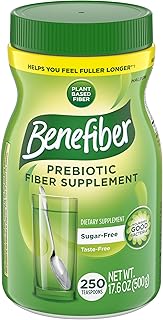
Navigating the world of fiber supplements can feel overwhelming. With so many options promising better digestion, improved gut health, and overall wellness, how do you choose? Two popular choices often come up in the search: the well-known brand Benefiber and newer, unflavored daily prebiotic fiber powders. While both aim to support your digestive system, their formulations, ingredients, and intended benefits can differ significantly. This comprehensive guide will break down the key differences, helping you decide which supplement aligns best with your health goals and lifestyle.
Understanding the core purpose of a fiber supplement is the first step. Fiber is crucial for maintaining regular bowel movements, supporting a healthy gut microbiome, and promoting feelings of fullness. However, not all fiber is created equal. Some supplements focus solely on adding bulk, while others, like many modern prebiotic fiber supplements, are designed to feed the beneficial bacteria in your gut, creating a more holistic approach to digestive health.
What is Benefiber? A Look at a Classic Supplement
Benefiber is one of the most recognizable names in the fiber supplement aisle. Its primary claim to fame is its "disappearing" quality—it's a fine powder that dissolves completely in hot or cold, acidic or non-acidic beverages and soft foods without altering taste, texture, or odor. The active ingredient in original Benefiber is wheat dextrin, a soluble fiber derived from wheat.
As a soluble fiber, wheat dextrin works by absorbing water in the digestive tract to form a gel-like substance. This helps to soften stool and can aid in regulating bowel movements. It's a straightforward approach focused primarily on promoting regularity. For individuals simply looking to increase their daily soluble fiber intake to manage occasional constipation, Benefiber has been a go-to solution for years.
The Rise of Unflavored Prebiotic Fiber Powders
In contrast, the category of unflavored daily fiber powders often represents a more evolved formulation. Products like a Daily Prebiotic Fiber Supplement Powder for Digestive Health are typically crafted with a broader health vision. While they also provide soluble fiber for regularity, their standout feature is the inclusion of specific prebiotic fibers.
Prebiotics are non-digestible food ingredients that selectively stimulate the growth and/or activity of beneficial microorganisms in the colon. In essence, they are food for your probiotics (the good bacteria). Common prebiotic fibers in these supplements include inulin (from chicory root) and acacia fiber. This means the supplement isn't just helping you "go," it's actively nourishing your gut microbiome, which is linked to immune function, mood, metabolism, and overall health.
Key Comparison: Ingredients and Mechanism of Action
Let's dive deeper into the ingredient profiles to understand the fundamental difference.
Benefiber (Original): The sole source of fiber is wheat dextrin. It is a soluble fiber that functions mainly as a bulking agent. It is generally low-FODMAP and gluten-free, despite being wheat-derived, due to the extensive processing. Its action is localized to the digestive tract for stool softening and regularity.
Unflavored Prebiotic Fiber Powder: These blends often feature a combination of fibers. A high-quality daily fiber powder might include:
- Inulin (Chicory Root Fiber): A potent prebiotic that fuels bifidobacteria and lactobacilli in the gut.
- Acacia Fiber (Gum Arabic): A gentle, soluble prebiotic fiber known for being well-tolerated and supporting gut bacteria diversity.
- Partially Hydrolyzed Guar Gum: Another soluble, fermentable fiber that acts as a prebiotic.
This multi-fiber approach aims for a dual benefit: immediate digestive support and long-term gut flora cultivation. The unflavored, taste-free aspect is crucial, as it allows for seamless integration into any food or drink without altering flavor, similar to Benefiber's claim.
Head-to-Head: Benefits for Digestive and Gut Health
Both supplements support digestive regularity, but their secondary benefits diverge.
Benefiber Benefits:
- Promotes regularity and softer stools.
- Discreet and easy to incorporate into daily routine.
- Can help with weight management by promoting satiety.
Unflavored Prebiotic Fiber Powder Benefits:
- Promotes regularity.
- Prebiotic Action: Feeds beneficial gut bacteria, supporting a balanced microbiome.
- May enhance mineral absorption (like calcium).
- Can support immune function (a significant portion of the immune system resides in the gut).
- May help manage blood sugar levels due to the viscous nature of soluble fibers slowing digestion.
Tolerance and Side Effects: What to Expect
Introducing any fiber supplement should be done gradually to minimize gas and bloating. However, tolerance can vary between fiber types.
Benefiber's wheat dextrin is generally well-tolerated because it is highly refined and less fermentable by gut bacteria than some prebiotics. This means it's less likely to cause significant gas, but it also provides less prebiotic benefit.
Prebiotic fibers like inulin are highly fermentable. While this is excellent for feeding bacteria, it can initially cause more gas and bloating in some individuals, especially if started at a full dose. High-quality blends that use acacia fiber or PHGG are often marketed as "gentle" or "low-bloating" because these fibers ferment more slowly in the large intestine, leading to better tolerance. When choosing a comprehensive fiber supplement, starting with a half-scoop and increasing slowly over a week or two is key to success.
Who Should Choose Which Supplement?
Your choice depends on your primary health goals.
Choose Benefiber if:
- Your sole, primary concern is adding soluble fiber to alleviate occasional constipation.
- You want a simple, single-ingredient, well-known product.
- You have a sensitive stomach that reacts strongly to fermentable fibers (prebiotics).
- Brand recognition and widespread availability are important to you.
Choose an Unflavored Prebiotic Fiber for Gut Health if:
- You are interested in both regularity and supporting your overall gut microbiome.
- You follow a holistic health approach and understand the gut's role in immunity and well-being.
- You are already taking a probiotic and want a prebiotic to enhance its effectiveness (creating a synbiotic).
- You prefer a clean-label product, often found with fewer additives than some mainstream brand formulations.
How to Incorporate a Daily Fiber Powder into Your Routine
The beauty of both types of taste-free supplements is their versatility. You can mix them into:
- Water, coffee, or tea: They dissolve without clumping.
- Smoothies and protein shakes: An effortless boost.
- Soups, sauces, and yogurt: They won't alter the flavor profile.
- Baked goods: Can be added to muffins, pancakes, or bread dough.
Consistency is key. Whether you choose the targeted approach of Benefiber or the comprehensive gut-nourishing approach of a dedicated prebiotic powder, taking it daily as part of your routine will yield the best results for your digestive health.
Final Verdict: It's About Your Health Goals
In the comparison between Benefiber and modern unflavored prebiotic fiber powders, there isn't a single "best" choice—only the best choice for you.
Benefiber remains a reliable, simple tool for increasing soluble fiber intake. It's like hiring a specialist for one specific job: promoting regularity.
On the other hand, a high-quality unflavored daily prebiotic fiber supplement is like hiring a multi-skilled wellness coach for your gut. It handles the immediate need for regularity while also investing in the long-term health of your gut ecosystem. For the growing number of people who view gut health as foundational to overall wellness, this multi-benefit, prebiotic-rich option often represents a more future-forward and comprehensive approach to daily supplementation.
Always remember to increase your water intake when increasing fiber, and consult with a healthcare provider if you have specific digestive conditions like IBS, IBD, or other health concerns before starting any new supplement regimen.