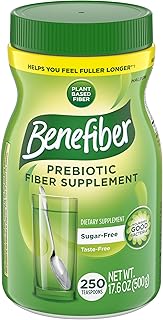
When it comes to managing digestive health, finding the right fiber supplement is crucial. Many people start their journey with well-known brands like Benefiber, but soon discover that one size doesn't fit all. Whether you're seeking a different texture, a more potent prebiotic source, or simply a better value, exploring alternatives is a smart move for your gut and your wallet. This guide will help you navigate the world of prebiotic fiber supplements, comparing popular options to find the perfect match for your digestive wellness goals.
Understanding Prebiotic Fiber and Its Role in Digestive Health
Before diving into comparisons, it's essential to understand what you're looking for. Prebiotic fiber is a specific type of soluble fiber that acts as food for the beneficial bacteria (probiotics) in your gut. Unlike regular fiber that primarily aids in bulk and regularity, prebiotics like inulin, chicory root, or acacia fiber specifically nourish your microbiome. A healthy, fed microbiome is linked to improved digestion, enhanced immune function, and even better mood regulation. When evaluating a prebiotic fiber supplement, you should consider the source of the fiber, its solubility (how well it dissolves), and any additional ingredients.
Key Factors to Consider When Choosing a Fiber Supplement
Not all fiber supplements are created equal. Here are the critical aspects to evaluate beyond brand name:
- Fiber Source: Is it wheat dextrin (like traditional Benefiber), inulin, psyllium, or acacia? Each has different fermentation properties and effects on the gut.
- Solubility and Texture: Does it dissolve completely in liquids without altering taste or creating a gritty texture? This is vital for daily, unnoticeable use.
- Additives and Flavors: Many supplements contain artificial flavors, colors, or sweeteners. An unflavored fiber option offers pure, versatile supplementation.
- Dosage and Convenience: Pre-measured sticks or single-serve packets, like those found in on-the-go fiber products, ensure accurate dosing and portability.
- Prebiotic Potency: The supplement should explicitly state it contains prebiotics to support gut bacteria, not just general soluble fiber.
Deep Dive: On The Go Prebiotic Fiber Supplement as a Benefiber Alternative
Let's examine a specific alternative that addresses many common user desires. The On The Go Prebiotic Fiber Supplement Powder presents a compelling case. This product is designed for modern lifestyles, offering pure, unflavored prebiotic acacia fiber in convenient, pre-portioned sticks. Unlike some formulations that can clump or leave a residue, this powder is engineered for complete dissolution in hot or cold beverages, smoothies, or even soft foods without altering taste—a significant advantage for consistent daily use.
Its focus on acacia fiber as the primary prebiotic source is noteworthy. Acacia fiber (gum arabic) is known for being exceptionally gentle on the stomach, causing less bloating and gas than some other fibers like inulin, especially when starting out. It's a high-quality, daily fiber supplement that prioritizes gut microbiome support. For individuals who found traditional wheat-based fibers unsuitable or who prefer a plant-based, gluten-free option, this type of alternative is worth serious consideration.
Comparative Analysis: What Makes a Superior Daily Fiber Choice?
Choosing between Benefiber and an alternative like On The Go Prebiotic Fiber often comes down to specific needs. Here’s a breakdown:
- For Pure Prebiotic Action: Seek out supplements that explicitly highlight 'prebiotic' in their name and ingredients. The primary goal is feeding good bacteria, not just adding bulk.
- For Discreet, Versatile Use: An unflavored, fully dissolvable powder wins. It allows you to fortify your morning coffee, water, oatmeal, or soup without changing the flavor profile, promoting adherence to your digestive health routine.
- For Travel and Convenience: The stick/packet format is unrivaled. It eliminates measuring spoons and messy spills, making it easy to maintain your fiber intake at the office, in restaurants, or while traveling.
- For Sensitive Stomachs: Gentler fiber sources like acacia can be a game-changer for those who experience discomfort with other types. Starting with a lower dose and gradually increasing is always recommended with any new fiber supplement.
How to Integrate a New Prebiotic Fiber into Your Routine
Switching or starting a new fiber supplement requires a strategic approach to maximize benefits and minimize discomfort. Begin with half the recommended dose for the first 3-5 days. Consistently take it at the same time each day, mixed into a large glass of water or your preferred non-carbonated beverage. It is paramount to increase your water intake throughout the day when boosting fiber consumption. Monitor how your body responds over a couple of weeks, as the positive effects on regularity and gut comfort often build gradually. Remember, fiber works best as part of a holistic approach that includes a diet rich in fruits, vegetables, and whole grains.
Common Pitfalls to Avoid When Selecting Fiber Supplements
Many people stumble in their search for digestive support by making these common errors:
- Chasing Instant Results: Fiber and prebiotics work on a timeline. Expecting overnight transformation leads to disappointment. Give any new supplement at least 2-4 weeks for a fair assessment.
- Neglecting Water Intake: Taking fiber without sufficient water can lead to constipation or discomfort. Fiber needs water to swell and do its job effectively in the digestive tract.
- Overlooking the Full Ingredient List: A product marketed for fiber health might contain unwanted additives, artificial sweeteners (like maltodextrin or sucralose), or allergens. Always read the label thoroughly.
- Ignoring Your Body's Signals: While some initial adjustment is normal, persistent bloating or cramps may indicate the specific fiber source isn't right for you. Don't be afraid to try a different type, like switching from wheat dextrin to acacia fiber.
Final Verdict: Building a Sustainable Digestive Health Strategy
While Benefiber has its place in the market, an informed consumer looks at the entire landscape. The ultimate goal is to find a fiber powder that you can incorporate seamlessly and consistently into your life—one that supports your microbiome with quality prebiotics, causes no digestive distress, and offers genuine convenience. Products designed with purity, solubility, and portability in mind, such as an unflavored prebiotic fiber in single-serve sticks, often represent the next evolution in daily digestive support. Your journey to better gut health is personal; taking the time to evaluate alternatives ensures you find a partner, not just a product, for your long-term wellness.