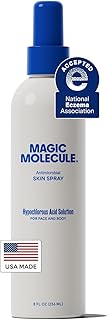
In the ever-evolving world of skincare and first aid, a powerful yet gentle ingredient has been making waves: hypochlorous acid (HOCl). This naturally occurring molecule, produced by our own white blood cells, is now available in convenient spray form for home and personal use. A hypochlorous acid spray offers a unique combination of efficacy and safety, making it a versatile addition to any medicine cabinet or skincare routine. Unlike harsh chemical disinfectants, HOCl works with the body's natural defense mechanisms, providing a solution that is both potent against pathogens and remarkably gentle on living tissue.
This guide will delve deep into the science, benefits, and practical applications of hypochlorous acid spray. Whether you're dealing with acne, managing a chronic skin condition, caring for a wound, or simply looking for a safer way to disinfect surfaces, understanding this innovative solution can empower you to make better health and wellness choices. We'll explore how it works, what to look for when buying, and how to integrate it effectively into your daily life.
What is Hypochlorous Acid and How Does It Work?
Hypochlorous acid is a weak acid that occurs naturally in the human body. It is a key component of the innate immune system, where neutrophils (a type of white blood cell) produce it to fight infection and promote healing. In its synthetic form for topical use, it is created by electrolyzing a solution of salt and water, resulting in a stable, pH-balanced liquid that mimics the body's own defense compound.
The power of HOCl lies in its mechanism of action. It is a non-specific oxidant, meaning it attacks pathogens by breaking down their cell walls and disrupting internal proteins and enzymes. This makes it effective against a broad spectrum of microbes, including bacteria, viruses, and fungi. Crucially, it achieves this without the cytotoxicity associated with bleach (sodium hypochlorite), allowing it to be used safely on skin, wounds, and even mucous membranes. Its action is swift and leaves no toxic residue, as it breaks down into simple salt and water.
Top Benefits and Uses of Hypochlorous Acid Spray
1. Skin Care and Acne Management
For those struggling with acne, hypochlorous acid spray can be a game-changer. It helps reduce the population of acne-causing bacteria (like *Cutibacterium acnes*) on the skin's surface and within pores without stripping the skin's natural moisture barrier. Its anti-inflammatory properties also help calm redness and swelling associated with pimples, promoting a clearer complexion. It's gentle enough for daily use on sensitive or eczema-prone skin, where it can help manage flare-ups by controlling microbial load and reducing itchiness.
2. Wound and Burn Care
In wound care, HOCl spray excels at creating an optimal healing environment. It cleanses the wound by removing debris and biofilm, reduces bacterial burden to prevent infection, and modulates inflammation—all without harming the delicate new tissue forming (granulation tissue). This makes it superior to harsher antiseptics like hydrogen peroxide or rubbing alcohol, which can damage healthy cells and delay healing. It is ideal for minor cuts, scrapes, surgical incisions, and burns.
3. General Disinfection and Sanitization
As a surface and hand sanitizer, hypochlorous acid spray is highly effective and family-friendly. It can be used to disinfect high-touch areas like doorknobs, countertops, and electronic devices. Unlike chemical-based sprays, it is non-toxic, non-irritating to lungs if inhaled in small amounts, and safe to use around children and pets when used as directed. Its ability to quickly inactivate viruses, including enveloped viruses similar to influenza and coronaviruses, adds to its utility in household hygiene.
4. Relief for Skin Conditions
Individuals with conditions like eczema, psoriasis, or rosacea often have compromised skin barriers and are susceptible to secondary infections. HOCl spray can soothe inflamed skin, reduce microbial colonization that exacerbates these conditions, and provide relief from itching. Its gentle nature means it won't cause the stinging or drying associated with many medicated creams or washes.
How to Choose the Right Hypochlorous Acid Spray
Not all hypochlorous acid products are created equal. Here are key factors to consider when selecting a spray:
- Concentration and pH: Look for a product that specifies its ppm (parts per million) concentration, typically between 100-200 ppm for skin care, and up to 500 ppm for surface disinfection. The pH should be slightly acidic (around 5.5) to match skin's pH and ensure stability.
- Stability and Packaging: HOCl is sensitive to light and air. Choose a product in an opaque, airtight bottle to ensure potency throughout its shelf life. Some advanced sprays use stabilized formulas for longer efficacy.
- Ingredients: The ideal formulation should contain only purified water, salt, and hypochlorous acid. Avoid unnecessary additives, fragrances, or preservatives that could cause irritation.
- Intended Use: Ensure the product is clearly labeled for your intended purpose—whether for skin, wound care, or surface disinfection. Regulatory approvals (like FDA clearance for wound care) add an extra layer of credibility.
- Brand Reputation: Purchase from reputable brands that provide transparent information about their manufacturing process and third-party testing for microbial efficacy.
Safety, Side Effects, and Best Practices
Hypochlorous acid spray is generally recognized as safe (GRAS) by regulatory bodies when used appropriately. Side effects are rare but can include mild, temporary irritation in individuals with extremely sensitive skin. It is safe for use around the eyes (with eyes closed), but should not be ingested. Always perform a patch test on a small area of skin before widespread use, especially if you have known sensitivities.
For optimal results, store your spray in a cool, dark place away from direct sunlight. Do not mix it with other chemicals, especially acids or ammonia-based cleaners, as this can produce harmful gases. While it is an excellent maintenance and treatment product, severe infections or deep wounds still require professional medical attention.
Integrating HOCl Spray into Your Routine
Incorporating a hypochlorous acid spray into your daily life is simple. For skincare, mist it onto clean skin before applying moisturizer or as a midday refresher. For wound care, spray liberally onto the affected area and allow it to air dry before covering with a bandage if needed. As a disinfectant, spray onto surfaces, let sit for the recommended contact time (usually 1-2 minutes), and wipe dry. Its versatility is one of its greatest strengths, offering a single, science-backed solution for multiple health and hygiene concerns.
Conclusion: A Modern Solution Rooted in Biology
Hypochlorous acid spray represents a significant advancement in topical care, bridging the gap between powerful antimicrobial action and gentle, biocompatible treatment. By harnessing a compound our bodies already use to heal, it provides a safe, effective, and multi-purpose tool for promoting skin health, accelerating wound healing, and maintaining a clean environment. As you explore the options available, prioritizing quality, stability, and intended use will help you find the right product to harness the remarkable benefits of this natural defender.