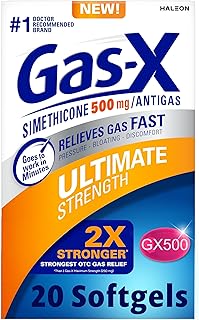
If you've ever experienced the discomfort of bloating, gas, or pressure in your abdomen, you're not alone. Millions turn to over-the-counter solutions for quick relief, and one of the most common active ingredients they find is Simethicone. But what exactly is this medication, and how does it work? This comprehensive guide will explore the science, uses, benefits, and safety of Simethicone, empowering you to make informed decisions about your digestive health.
What is Simethicone? The Science Behind the Relief
Simethicone is an anti-foaming agent. Unlike other medications that are absorbed into your bloodstream, Simethicone works locally in your gastrointestinal (GI) tract. Its primary function is to reduce the surface tension of gas bubbles that become trapped in your stomach and intestines. Think of it like a drop of dish soap breaking down grease in a sink. These large, uncomfortable bubbles coalesce into smaller ones, which are much easier for your body to pass naturally, either through belching or flatulence. This mechanical action provides relief from symptoms like bloating, pressure, fullness, and pain caused by excess gas.
Common Uses and Benefits of Simethicone
Simethicone is indicated for the relief of symptoms associated with excess gas. Its benefits are specific and action-oriented.
1. Relief from Gas and Bloating
This is the core use. Whether it's gas caused by swallowing air, eating certain foods (like beans or cruciferous vegetables), or digestive processes, Simethicone can help alleviate the resulting pressure and discomfort. It's a first-line defense for post-meal bloating.
2. Pre-Procedure Preparation
Simethicone is often used before gastrointestinal procedures like endoscopies or colonoscopies. By clearing foam and bubbles from the lining of the GI tract, it provides a clearer view for the physician, leading to more accurate examinations and diagnoses.
3. Infant Colic and Gas
Many pediatricians recommend Simethicone drops (like generic simethicone or branded variants) for gassy, fussy infants. It's considered safe for babies as it is not absorbed and works locally to ease painful gas bubbles, potentially reducing crying episodes associated with colic.
4. Adjunct in Antacid Formulations
You'll frequently find Simethicone combined with antacids (like calcium carbonate or aluminum hydroxide). While the antacid neutralizes stomach acid, the Simethicone addresses the gas and bloating that can accompany acid reflux or indigestion, providing more comprehensive symptom relief.
How to Use Simethicone Correctly: Dosage and Forms
Simethicone is available in various forms: chewable tablets, softgels, liquid drops (for infants and adults), and as part of combination products. Dosage varies by age and product strength. Always follow the label instructions or your doctor's advice. A typical adult dose is 40-125 mg after meals and at bedtime, not exceeding 500 mg in 24 hours. For infants, the dose is usually weight-based and given with a dropper. It's generally recommended to take it after meals and at bedtime for ongoing symptoms.
Safety Profile and Potential Side Effects
One of the key advantages of Simethicone is its excellent safety profile. Because it is not absorbed by the body and passes through the digestive system unchanged, systemic side effects are extremely rare. It is generally recognized as safe (GRAS) by the FDA for over-the-counter use. The most commonly reported "side effects" are not actually caused by the drug itself but by the release of the gas it helps to mobilize. Serious allergic reactions are very uncommon. However, you should consult a healthcare provider if your symptoms persist for more than a week or worsen, as this could indicate a more serious underlying condition.
Simethicone vs. Other Gas Relief Medications
It's important to understand how Simethicone differs from other digestive aids. Activated charcoal may absorb some gas and toxins but can interfere with medication absorption. Digestive enzymes (like alpha-galactosidase for beans) help break down specific food components to prevent gas formation. Probiotics aim to improve gut flora balance over the long term. Simethicone is unique in that it doesn't prevent gas or alter digestion; it simply helps your body manage gas that is already present, making it a fast-acting symptom reliever rather than a preventive or corrective agent.
When to See a Doctor
While Simethicone is safe for occasional use, persistent gas, bloating, or abdominal pain should not be ignored. Consult a doctor if you experience: symptoms that last more than 7-10 days with OTC treatment, severe or sudden abdominal pain, unexplained weight loss, blood in stool, changes in bowel habits, or symptoms accompanied by fever or vomiting. These could be signs of conditions like irritable bowel syndrome (IBS), small intestinal bacterial overgrowth (SIBO), lactose intolerance, or other gastrointestinal disorders that require professional diagnosis and management.
Conclusion: A Trusted Tool for Gas Relief
Simethicone is a well-established, effective, and safe over-the-counter medication for the symptomatic relief of excess gas. Its localized, mechanical action makes it a go-to choice for adults and infants alike. By understanding what it is, how it works, and its proper use, you can confidently use it to manage uncomfortable digestive symptoms. Remember, it's a solution for discomfort, not a cure for underlying issues. For chronic or severe symptoms, always seek the guidance of a healthcare professional to ensure you receive appropriate care for your overall digestive health.