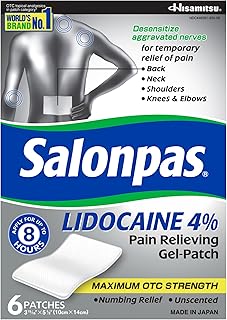
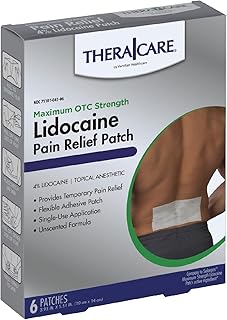
For millions seeking respite from localized aches, the lidocaine patch has become a cornerstone of over-the-counter pain management. As a topical analgesic, it delivers targeted, temporary relief directly to the source of discomfort, bypassing the digestive system. This guide delves deep into how these patches work, their optimal uses—particularly for back, neck, shoulders, and knees—and how to maximize their effectiveness for safe, powerful pain control.
Understanding Lidocaine: How This Topical Analgesic Works
Lidocaine is a local anesthetic that works by temporarily blocking nerve signals in the area where it is applied. When incorporated into a patch, the medication is delivered transdermally, creating a numbing effect that can significantly reduce the sensation of pain. This mechanism makes it an excellent choice for managing various types of back pain relief, from muscular strains to nerve-related discomfort. Unlike oral pain relievers that affect the whole body, a topical analgesic like a lidocaine patch offers localized treatment, minimizing systemic side effects.
Ideal Uses for Maximum Strength Lidocaine Patches
Maximum strength formulations, typically containing 4% lidocaine, are designed for robust, temporary relief. They are particularly well-suited for a range of common conditions. For joint pain, applying a joint pain patch to areas like knees or elbows can help manage osteoarthritis or overuse injuries. The patches are also highly effective for muscular pain in the back, neck, and shoulders, often caused by poor posture, tension, or physical activity. Furthermore, they can soothe minor skin irritations, such as those from shingles or minor burns, by calming the overactive nerves in the skin's surface.
How to Apply a Lidocaine Patch for Optimal Results
Correct application is crucial for both safety and effectiveness. First, ensure the skin is clean, dry, and free of cuts, irritation, or lotions. Apply the patch directly to the area of pain, pressing firmly to ensure good adhesion. Most patches are designed for wear up to 12 hours within a 24-hour period. It's vital to rotate application sites to prevent skin irritation. Never cut a patch, as this can alter the drug delivery system. For products like the WELMATE 4% Lidocaine Numbing Patch, following the specific usage instructions on the package is essential for achieving the promised maximum strength pain relief.
Safety Considerations and Who Should Avoid Them
While OTC lidocaine patches are generally safe, they are not for everyone. Individuals with known allergies to local anesthetics (amide-type) should avoid them. They should not be used on broken skin or mucous membranes. People with severe liver disease may process lidocaine more slowly, increasing the risk of side effects. Pregnant or breastfeeding women should consult a doctor before use. Common side effects are usually mild and localized, such as redness, itching, or a burning sensation at the application site. If you experience dizziness, blurred vision, or irregular heartbeat, remove the patch and seek medical attention immediately.
Lidocaine Patches vs. Other Pain Relief Methods
Compared to oral NSAIDs like ibuprofen, lidocaine patches offer a targeted approach without stomach upset or kidney strain. Versus creams or gels, patches provide a consistent, controlled dose over several hours, making them more convenient for all-day or all-night relief. They are a form of topical analgesic that excels in treating neuropathic and musculoskeletal pain close to the skin's surface. However, for deep inflammation or widespread pain, oral medications or other treatments may be more appropriate. A numbing patch is a tool best used for specific, localized issues.
Maximizing the Benefits for Chronic and Acute Pain
For chronic conditions like osteoarthritis, integrating lidocaine patches into a broader pain management plan can be highly effective. Use them during flare-ups or before engaging in activities that typically cause pain. For acute pain from an injury, they can provide crucial temporary pain relief while the body heals. Pairing patch use with gentle stretching, physical therapy, or heat/cold therapy can enhance overall outcomes. Remember, these patches treat the symptom (pain) but not the underlying cause, so a proper diagnosis from a healthcare professional is always recommended for persistent issues.
Choosing the Right Product: Features to Look For
When selecting a lidocaine patch, consider key features. A 4% concentration is the maximum strength available OTC. An unscented pain patch is preferable for those with sensitive skin or scent aversions. Adhesion quality is critical—the patch should stay in place through movement and daily activities. Size also matters; a larger patch may be better for broad areas like the lower back, while smaller patches suit elbows or knees. Reading reviews and checking for reputable brands can guide you toward a reliable product that delivers consistent, effective relief where you need it most.
Conclusion: A Targeted Tool in Your Pain Management Kit
The lidocaine patch represents a significant advancement in accessible, targeted pain relief. By delivering a potent topical analgesic directly to the site of pain—be it in the back, neck, joints, or skin—it offers a valuable alternative or complement to oral medications. Understanding its proper use, ideal applications, and safety guidelines empowers you to use this tool effectively. Whether managing a chronic condition or an acute injury, a maximum strength lidocaine patch can provide the temporary relief needed to move more comfortably and improve daily quality of life.