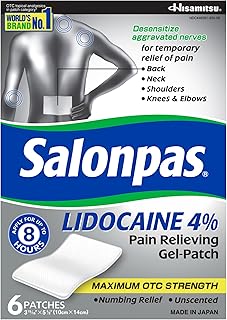
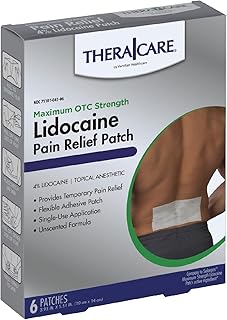
If you're dealing with persistent minor aches and pains, you've likely heard about the growing popularity of over-the-counter (OTC) topical solutions. Among these, the lidocaine patch has emerged as a go-to option for targeted, temporary relief. But what exactly is a lidocaine patch, and how can it help you manage discomfort from conditions like back pain or arthritis? This guide dives deep into the benefits, proper usage, and key considerations for choosing an effective OTC pain relief patch, helping you make an informed decision for your wellness routine.
What is a Lidocaine Patch and How Does It Work?
A lidocaine patch is a medicated adhesive bandage that delivers a local anesthetic—lidocaine—directly through the skin to the underlying tissues and nerve endings. The 4% concentration available over-the-counter is designed to temporarily numb the area, blocking pain signals from reaching your brain. Unlike oral pain relievers that work systemically, a pain relief patch offers localized treatment, which can mean fewer side effects for the rest of your body. The mechanism is straightforward: the medication in the patch diffuses into the skin, providing a soothing barrier against pain for several hours. This makes it an excellent choice for managing focal points of discomfort.
Key Benefits of Using a 4% OTC Lidocaine Patch
Why choose a patch over a cream, gel, or pill? The benefits are multifaceted. First, targeted relief is paramount. You apply the patch exactly where it hurts, ensuring the medicine works precisely where needed. Second, convenience and long-lasting effect stand out. A single application can provide relief for up to 12 hours, allowing you to go about your day or sleep through the night without interruption. Third, the reduced systemic exposure is a significant advantage for individuals who are cautious about oral medications or have sensitivities. Furthermore, modern patches like those with a paraben-free formula cater to skin health, minimizing the risk of irritation. For those with joint or muscle pain, the flexibility of a flexible pain patch ensures it moves with you, maintaining adhesion and comfort during activity.
Common Uses: When to Reach for a Lidocaine Patch
Lidocaine patches are specifically formulated to temporarily relieve minor aches and pains. They are commonly used for:
- Back Pain: A back pain patch can be applied to the lower back to soothe muscle strains or tension.
- Arthritis Discomfort: For the joint pain associated with osteoarthritis, a patch can be placed directly over the knee, wrist, or finger joints.
- Muscle Soreness: After exercise or physical work, patches can help ease muscle pain relief in areas like the shoulders, neck, or legs.
- Minor Nerve Pain: While not for severe neuropathic conditions, they can help with occasional, localized nerve irritation.
It's crucial to remember that these patches are for temporary, minor pain. They are not a cure for underlying conditions and should be used as part of a broader pain management plan discussed with a healthcare provider.
How to Apply a Lidocaine Patch Correctly for Maximum Effectiveness
To get the most out of your OTC lidocaine patch, correct application is key. First, ensure the skin area is clean, dry, intact, and free of lotions or oils. Cut the patch to size if needed (following package instructions), but do not cut if the instructions prohibit it. Peel off the backing and firmly apply the patch to the painful area, smoothing it down to ensure full contact. Wash your hands immediately after application. A patch can typically be worn for up to 12 hours within a 24-hour period. Always rotate application sites to avoid skin irritation. After removal, fold the patch so the adhesive sides stick together and dispose of it safely, out of reach of children and pets. Never apply a patch to broken, irritated, or swollen skin.
Choosing the Right Patch: What to Look For
Not all pain patches are created equal. When selecting an OTC option, consider these factors:
- Lidocaine Concentration: 4% is the maximum strength available without a prescription.
- Formula: Look for a paraben-free pain relief formula, especially if you have sensitive skin. Unscented options are also preferable to avoid potential allergens.
- Flexibility and Adhesion: A flexible pain patch will conform to body contours like knees and elbows without peeling off.
- Quantity and Value: Consider multi-count packages, like a 14-count box, for ongoing management of occasional pain.
Products like the HealthWise Lidocaine Flexible Pain Patch incorporate many of these features, offering a 4% OTC lidocaine, paraben-free, unscented formula in a convenient 14-count package designed for flexibility.
Safety and Precautions: Using Your Patch Responsibly
While lidocaine patches are generally safe when used as directed, certain precautions are essential. Do not use them if you are allergic to lidocaine or other local anesthetics. Avoid using them on large areas of skin, for prolonged periods, or with heating pads, as this can increase drug absorption and risk side effects. Possible side effects are usually mild and localized, such as redness, itching, or a burning sensation at the application site. However, if you experience symptoms like dizziness, confusion, blurred vision, or irregular heartbeat, remove the patch and seek medical attention immediately, as these could indicate systemic absorption. Always consult your doctor before use if you are pregnant, breastfeeding, have severe liver disease, or are taking other medications.
Integrating Lidocaine Patches into Your Pain Management Plan
A pain relief patch is most effective as one component of a holistic approach. For arthritis pain relief, combine patch use with gentle range-of-motion exercises and weight management. For back pain, patches can provide comfort while you engage in physical therapy or core-strengthening activities. Remember, these patches treat the symptom—pain—not the root cause. For chronic conditions, work with a healthcare professional to address underlying issues. The temporary relief provided by a lidocaine patch can be the support you need to stay active and maintain your quality of life while pursuing long-term solutions.
Conclusion: Empowering Your Journey to Comfort
Understanding how to properly use and benefit from a 4% OTC lidocaine patch can be a game-changer for managing temporary, minor aches and pains. By offering targeted, long-lasting, and convenient relief with minimal systemic side effects, these patches are a valuable tool in many people's wellness kits. When choosing a product, prioritize features like a paraben-free formula, flexibility, and appropriate strength. Always follow application and safety guidelines closely. Used wisely as part of a broader health strategy, a quality lidocaine pain patch can help you move more comfortably and reclaim your daily activities from discomfort.