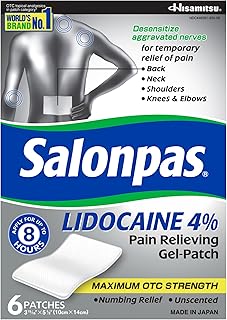
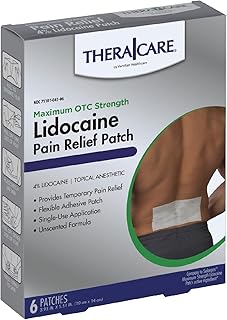
If you're seeking targeted, over-the-counter relief from localized pain, you've likely come across the lidocaine patch. This innovative topical analgesic has become a go-to solution for millions managing nerve pain, arthritis, and muscle soreness. But how does it work, and are you using it correctly? This comprehensive guide dives deep into everything you need to know about lidocaine patches, from their mechanism of action to expert application tips, ensuring you get the maximum benefit from this powerful pain-relief tool.
What is a Lidocaine Patch and How Does It Work?
A lidocaine patch is a medicated adhesive bandage that delivers a local anesthetic, lidocaine, directly through the skin to the underlying nerves. Unlike oral painkillers that affect your entire system, this patch provides concentrated relief right where it hurts. Lidocaine works by temporarily blocking sodium channels in nerve fibers. This action prevents the nerves from sending pain signals to your brain, effectively numbing the area for several hours. It's a prime example of targeted therapy, minimizing systemic side effects while maximizing local effect.
Common Uses and Benefits of Lidocaine Patches
Lidocaine patches are versatile and prescribed or used for various conditions. Their primary benefit is providing non-opioid, localized pain control.
Post-Herpetic Neuralgia (PHN)
This is the most common FDA-approved use for prescription-strength patches. PHN is the lingering, often severe nerve pain that can follow a shingles outbreak. The patch can significantly reduce this burning, shooting pain.
Osteoarthritis and Joint Pain
For aching knees, shoulders, or backs affected by arthritis, applying a patch over the joint can soothe deep aches and improve mobility without stomach upset common with oral NSAIDs.
Muscle Strains and Sprains
After an injury, a lidocaine patch can help manage pain and muscle tightness, allowing for more comfortable movement during recovery.
Neuropathic Pain
Conditions like diabetic neuropathy or other nerve damage can cause tingling, burning sensations. The patch targets these specific painful areas effectively.
Benefits Over Other Pain Relievers
The key advantages include targeted delivery (less medicine in your bloodstream), convenience (long-lasting, up to 12 hours), and a favorable side effect profile compared to oral medications. It avoids gastrointestinal, liver, or kidney stress associated with frequent oral analgesic use.
Step-by-Step: How to Apply a Lidocaine Patch Correctly
Proper application is crucial for safety and effectiveness. Incorrect use is a common reason people don't get the relief they expect.
- Clean and Dry the Area: Wash the skin with mild soap and water, then pat it completely dry. Oils, lotions, or moisture can prevent proper adhesion.
- Choose the Right Spot: Apply the patch only to intact, healthy skin. Avoid cuts, scrapes, rashes, or irritated areas. For joint pain, center it over the most painful point.
- Apply and Secure: Remove the protective liner and firmly press the patch onto the skin, smoothing it out from the center to avoid air bubbles. Ensure it adheres well on all edges.
- Timing is Key: Most patches are designed for 12 hours on, then 12 hours off. Do not exceed the recommended wear time (usually 12 hours in a 24-hour period). Set a reminder if needed.
- Safe Removal and Disposal: After wear time, gently peel off the patch. Fold it in half with the sticky sides together to seal in residual medication, and dispose of it out of reach of children and pets. Wash your hands after handling.
Critical Mistakes to Avoid with Lidocaine Patches
Even with a simple product, errors can reduce efficacy or cause harm. Here are the top pitfalls to steer clear of.
1. Using on Broken or Irritated Skin
This can lead to significantly increased absorption of lidocaine into the bloodstream, raising the risk of systemic side effects like dizziness or heart palpitations. Always check skin integrity first.
2. Cutting the Patch
Never cut a patch. This damages the controlled-release delivery system, potentially causing a rapid, unsafe dose dump of medication.
3. Applying Heat
Do not use a heating pad, hot water bottle, or take a hot bath/shower while wearing the patch. Heat dramatically increases drug absorption and can lead to toxic levels in your body.
4. Exceeding the Recommended Dose or Time
More is not better. Using multiple patches at once or wearing one longer than 12 hours increases overdose risk. Stick strictly to the product's or your doctor's instructions.
5. Applying to the Wrong Body Parts
Avoid placing patches on mucous membranes, near the eyes, or on areas with dense hair (shave the area first if necessary, but do so carefully to avoid nicks).
Understanding Safety: Side Effects and Precautions
While generally safe when used as directed, it's important to be aware of potential reactions.
- Local Skin Reactions: Redness, itching, or a mild rash at the application site are the most common. These usually resolve after removing the patch.
- Systemic Effects (Rare with proper use): Symptoms like dizziness, ringing in the ears, blurred vision, or a metallic taste in the mouth indicate too much lidocaine has been absorbed. Remove the patch immediately and seek medical advice if severe.
- Precautions: Consult a doctor before use if you have severe liver disease, are pregnant or breastfeeding, or are taking other heart rhythm medications. Always inform healthcare providers you are using a lidocaine patch.
Lidocaine Patch vs. Other Topical Pain Relievers
How does it stack up against creams, gels, and sprays?
Lidocaine Patch: Provides sustained, controlled release over many hours. Less messy, with a built-in occlusive dressing that may enhance penetration. Ideal for consistent, all-day or all-night pain.
Creams/Gels (e.g., Voltaren): Allow for easy application over larger or hard-to-patch areas (like the back). Require more frequent application (3-4 times daily). Can be messy and stain clothing.
Sprays: Good for hard-to-reach spots or hairy areas. Drying time is fast. Duration of effect is often shorter than a patch.
The choice depends on your pain's location, duration, and personal preference for convenience.
Frequently Asked Questions About Lidocaine Patches
Can I use a lidocaine patch every day?
For chronic conditions like PHN or osteoarthritis, daily use with the 12-hours-on, 12-hours-off schedule is common under medical guidance. Never use it continuously without a break.
How long does it take to start working?
You may feel some numbing within 30-60 minutes, but full therapeutic effect for pain relief often builds over the first few hours of application.
Can I get lidocaine patches over the counter?
Yes! Lower-dose (typically 4%) lidocaine patches are widely available without a prescription at pharmacies and online retailers like ours. Higher-strength versions (5%) usually require a prescription.
Where should I store my patches?
Store at room temperature, away from moisture, heat, and direct light. Keep them in their original packaging until use.
Conclusion: A Powerful Tool for Targeted Pain Management
The lidocaine patch is a testament to modern pain management—offering effective, localized relief with minimal systemic interference. By understanding its proper uses, mastering the correct application technique, and diligently avoiding common mistakes, you can harness its full potential safely. Whether you're managing nerve pain, arthritic joints, or muscle discomfort, this patch can be a valuable component of your pain relief strategy. Always remember to consult with a healthcare professional for a proper diagnosis and to ensure this treatment is appropriate for your specific health situation. When used wisely, it can significantly improve your quality of life by putting you back in control of your pain.