Chronic pain, whether from a nagging backache, stiff joints, or sore muscles, can significantly impact your quality of life. While oral pain relievers are common, they can sometimes cause systemic side effects. This has led many to seek targeted, localized solutions. Among the most effective over-the-counter (OTC) options available today are lidocaine patches. These medicated patches deliver powerful, non-invasive pain relief directly to the source of discomfort. In this comprehensive guide, we'll delve into how these patches work, their ideal uses, and what to look for when choosing a maximum strength formula for lasting relief.
Lidocaine is a local anesthetic that works by temporarily blocking the nerve signals in a specific area of your skin. When applied via a patch, it numbs the underlying tissue, providing relief from various types of pain. The beauty of a lidocaine patch lies in its targeted delivery system. Unlike pills that travel through your entire bloodstream, the medication in the patch is absorbed primarily through the skin at the application site. This localized action means you can manage pain where it hurts most, often with fewer whole-body side effects. It's a principle of topical analgesia that has revolutionized home pain management for millions.
Not all pain is created equal, and neither are all pain relief methods. Lidocaine patches are particularly well-suited for specific conditions. They are a frontline recommendation for neuropathic pain, such as the burning or shooting pain associated with post-herpetic neuralgia (shingles). However, their use has expanded widely into the OTC realm for common musculoskeletal issues. Many individuals find significant relief from chronic back pain, whether it's from a strain, poor posture, or degenerative conditions. For those with osteoarthritis, applying a patch over a painful knee or shoulder can help manage the deep, aching arthritis pain that limits mobility. Athletes and active people also use them as a muscle pain patch to soothe soreness from overexertion, strains, or spasms.
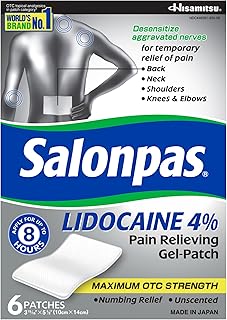
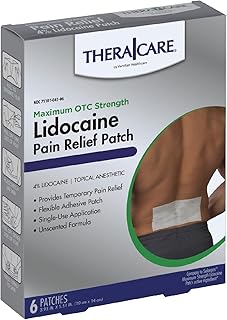
When browsing the pharmacy aisle, you'll encounter patches of varying strengths. The term "maximum strength" typically refers to patches containing 4% lidocaine, which is the highest concentration available without a prescription. This designation isn't just marketing; a 4% formulation like that found in the Amazon Basic Care Maximum Strength OTC Pain Relief Lidocaine Patch is designed to deliver a robust dose of the analgesic for more intense or persistent pain. Choosing a maximum strength option can be crucial for individuals who have not found sufficient relief with lower-dose products or whose pain is particularly severe. It represents a potent tool in the maximum strength pain relief category, offering up to 12 hours of continuous numbing effect per application.
Using a lidocaine patch correctly is essential for both safety and effectiveness. First, the skin should be clean, dry, and free of cuts, irritation, or lotions. Apply the patch directly to the area of pain, pressing firmly to ensure good adhesion. Most patches are designed to be worn for up to 12 hours within a 24-hour period, followed by a 12-hour patch-free interval. This schedule helps prevent skin irritation and allows your skin to breathe. It's vital to never cut a patch, as this can alter the drug delivery system and lead to over-exposure. Always wash your hands after application, and avoid exposing the patch to direct heat sources like heating pads or hot baths, as this can increase absorption to unsafe levels.
As with any medication, understanding safety is paramount. OTC lidocaine products are generally safe when used as directed on healthy, intact skin. However, certain precautions apply. Do not use on broken skin or open wounds. Avoid using more than three patches simultaneously or wearing one for longer than 12 hours. Some individuals may experience mild side effects like redness, itching, or a burning sensation at the site. More serious but rare reactions can include dizziness, irregular heartbeat, or blurred vision, which require immediate medical attention. It's always wise to consult with a healthcare provider before starting any new pain management regimen, especially if you have underlying heart, liver, or kidney conditions, or are pregnant or breastfeeding.
Why choose a branded OTC option like the Amazon Basic Care patch? Reputable brands invest in consistent manufacturing processes to ensure each patch delivers a precise dose of medication. This consistency is key for predictable pain relief. Furthermore, established products often undergo rigorous testing for adhesion and skin tolerance. A patch that stays in place for its full wear time is more effective than one that curls or falls off. When selecting a topical analgesic, consider factors beyond just the lidocaine percentage. Look at patch size—a larger patch like the 3.9” x 5.5” size can cover a broader pain area effectively. Also, consider the value of multi-packs, as managing chronic pain is an ongoing process.
Integrating lidocaine patches into a holistic pain management plan can yield the best results. They are not a cure for underlying conditions but are an excellent tool for symptom control. For musculoskeletal pain, combine patch use with gentle stretching, physical therapy exercises, and proper ergonomics. For arthritis, maintaining a healthy weight to reduce joint stress is crucial. Always view a lidocaine patch as one component of a comprehensive approach to wellness. It can provide the relief window needed to engage in rehabilitative activities or simply enjoy daily life with less discomfort. By understanding how to use this powerful topical treatment safely and effectively, you empower yourself to take control of your pain and improve your daily function.