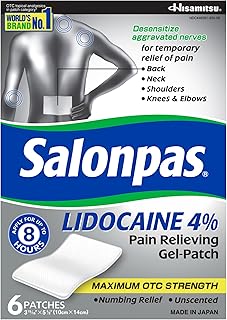
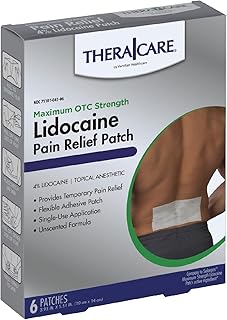
Lidocaine patches have become a go-to solution for millions seeking relief from localized pain, whether it's a nagging backache, sore knees, or muscle stiffness after a workout. As a topical analgesic, they offer targeted relief without the systemic side effects of oral medications. However, the effectiveness of a lidocaine patch is not guaranteed simply by sticking it on. Many users unknowingly make critical errors that prevent them from experiencing the full, maximum-strength numbing relief these products are designed to deliver. This guide will walk you through the seven most common mistakes people make with lidocaine patches and provide actionable solutions to ensure you get the pain-free results you deserve.
Mistake #1: Applying the Patch to the Wrong Area
The most fundamental error is misplacing the patch. Lidocaine works by blocking nerve signals in a very localized area. If you place the patch even an inch away from the epicenter of your pain, you'll miss the target. For joint pain, like in the knee, the patch should cover the joint line. For muscular back pain, identify the specific muscle group that's sore—don't just slap it in the general area. A product like the Sumifun 4% Lidocaine Pain Relief Patches is designed for precise application, but its efficacy hinges on your placement accuracy. Take a moment to palpate the area, find the point of maximum tenderness, and center the patch there.
Mistake #2: Not Preparing the Skin Properly
Applying a patch to dirty, oily, or hairy skin is a recipe for poor adhesion and ineffective drug delivery. Oils and lotions create a barrier that hinders the absorption of lidocaine. Hair not only prevents a good seal but can also trap the medication away from the skin. For optimal results, the application site should be clean, dry, and shaved if necessary. Use soap and water to cleanse the area, pat it completely dry, and avoid applying any moisturizers, oils, or powders beforehand. This simple prep step ensures the adhesive sticks firmly and the topical analgesic gel makes direct, uninterrupted contact with your skin.
Mistake #3: Using a Damaged or Cut Patch
In an attempt to save money or fit a smaller area, some users cut a lidocaine patch in half. This is a significant mistake. Patches are manufactured as sealed, single-dose units. Cutting them compromises the controlled-release delivery system, potentially causing too much medication to release at once or damaging the adhesive backing. It can also expose the inner gel to air and contamination. Always use the patch as intended—intact. If you need coverage for a smaller area, look for patches specifically designed in smaller sizes rather than altering a standard one.
Mistake #4: Ignoring Application Time Limits
More is not always better. The standard guidance for most over-the-counter lidocaine patches, including maximum strength options, is to wear them for up to 12 hours in a 24-hour period. Leaving a patch on for longer, or using multiple patches simultaneously for extended periods, increases the risk of systemic absorption and potential side effects like dizziness, nausea, or irregular heartbeat. Adhere strictly to the recommended wear time. For continuous pain management, you can apply a fresh patch after removing the old one and allowing the skin to breathe for 12 hours. This cycle ensures effective relief while maintaining safety.
Mistake #5: Expecting Instant, Miraculous Relief
Patience is key. A lidocaine patch is not an instant cure. The numbing effect builds gradually as the medication penetrates the skin layers to reach the nerve endings. It can take 30 minutes to an hour to begin feeling significant relief, with full effects often peaking after a few hours. Don't make the error of applying a patch, waiting 10 minutes, feeling no difference, and then applying another. This can lead to overdose. Set realistic expectations and allow the medication the time it needs to work. The sustained-release design is meant for prolonged relief, not an immediate shock to the system.
Mistake #6: Using It for the Wrong Type of Pain
Lidocaine patches are excellent for neuropathic pain (nerve pain), post-herpetic neuralgia (shingles pain), and musculoskeletal aches like sore muscles and joint discomfort. However, they are less effective for inflammatory pain (like a fresh sprain with swelling) or deep, visceral pain. If your pain is caused by acute inflammation, an anti-inflammatory medication or modality might be more appropriate. Understanding the source of your pain—whether it's nerve-based, muscular, or arthritic—will help you use the patch appropriately. For muscle soreness relief and superficial joint aches, it's an ideal tool.
Mistake #7: Neglecting to Rotate Application Sites
Applying the patch to the exact same spot every single day can lead to skin irritation, redness, and even a mild rash. The skin needs time to recover. To avoid this, practice site rotation. If you're treating knee pain, apply the patch to slightly different areas around the knee joint each time. This simple practice minimizes the risk of local skin reactions and ensures healthy skin for ongoing use. It's a small habit that makes long-term use of a pain relief patch sustainable and comfortable.
How to Correctly Use a Lidocaine Patch for Maximum Relief
Now that you know what to avoid, let's focus on the right way to use a lidocaine patch. Start with clean, dry, intact skin. Remove the protective liner and firmly apply the patch, smoothing it down from the center outwards to eliminate air bubbles. Press for 10-15 seconds to ensure a good bond. Wear it for the recommended time (usually up to 12 hours), then gently peel it off. Dispose of it safely, out of reach of children and pets. Wash your hands after application and removal. Follow this protocol, and you'll maximize the benefits of your topical analgesic treatment.
When to Choose a Maximum Strength Lidocaine Patch
For persistent or more intense pain, a 4% lidocaine patch, often labeled as "maximum strength," is the appropriate choice. This concentration is the highest available over-the-counter and is formulated to deliver a potent numbing effect for tough pain. Products in this category, like the Sumifun patches, are designed for those who haven't found sufficient relief with lower strengths. They are particularly useful for chronic conditions like osteoarthritis pain or recurring back pain relief. If your pain is moderate to severe and localized, upgrading to a maximum strength formula could be the decisive factor in managing your discomfort effectively.
Conclusion: Smart Use for Smart Relief
A lidocaine patch is a powerful tool in your pain management arsenal, but its power is unlocked through correct usage. By avoiding these seven common mistakes—from improper placement to unrealistic expectations—you transform a simple adhesive strip into an effective, targeted pain-blocking system. Remember, the goal is consistent, safe, and effective relief. Whether you're managing joint ache, muscle soreness, or back pain, using your patch wisely ensures you experience the full potential of modern topical analgesia. Start your next application with confidence, knowing you're doing it right.