For millions struggling with persistent acne, finding an effective yet gentle treatment can feel like an endless quest. Enter Adapalene 0.1% USP Gel, a topical retinoid that has revolutionized acne care by offering prescription-strength results with a formulation mindful of sensitive skin. This guide delves deep into this powerful retinoid acne treatment, explaining its mechanism, benefits, and how to integrate it into your skincare routine for optimal results.
Acne is more than a superficial concern; it impacts self-esteem and quality of life. While over-the-counter options abound, many lack the potency needed for moderate acne. Adapalene, a third-generation retinoid, bridges this gap. Originally available only by prescription, its over-the-counter approval has made this dermatologist-recommended ingredient accessible. Our focus today is on a specific, high-quality formulation: a paraben-free, 0.1% adapalene gel designed for acne-prone and sensitive skin.
What is Adapalene and How Does It Work?
Adapalene is a synthetic retinoid, a derivative of Vitamin A. Unlike some harsher retinoids, it selectively binds to specific retinoic acid receptors in the skin. This targeted action allows it to effectively treat acne with a lower risk of irritation. Its primary functions are threefold: it normalizes skin cell turnover to prevent clogged pores (comedolysis), reduces inflammation (a key driver of red, painful pimples), and possesses antioxidant properties.
When you apply a product like Adapalene 0.1% Gel, it works beneath the surface. It prevents the hyperkeratinization process—where skin cells stick together and plug hair follicles—that leads to blackheads and whiteheads. By keeping pores clear, it addresses acne at its root cause, not just its symptoms.
Why Choose a 0.1% Adapalene Gel Formulation?
The 0.1% concentration represents the gold standard for topical adapalene, balancing high efficacy with tolerability. This prescription-strength level is clinically proven to significantly reduce inflammatory lesions (papules and pustules) and non-inflammatory lesions (comedones). For those with stubborn acne that hasn't responded to milder treatments, this concentration can be a game-changer.
Furthermore, the gel vehicle is particularly advantageous. Gels are typically water-based, non-comedogenic, and absorb quickly without leaving a greasy residue. This makes them ideal for oily and acne-prone skin types. The specific formulation we're discussing goes a step further by being paraben-free, a crucial consideration for those with sensitive skin acne or concerns about certain preservatives.
Adapalene Gel vs. Differin Gel: Understanding the Landscape
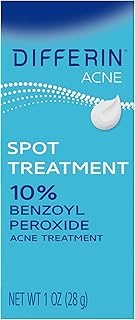
Many people search for information on Differin Gel, which is a well-known brand name for adapalene 0.1% gel. It's important to understand that "Differin" is a brand, while "adapalene" is the active pharmaceutical ingredient. Think of it like ibuprofen (the ingredient) and Advil (a brand).
A high-quality adapalene gel, like the one featured here, contains the same powerful 0.1% adapalene USP ingredient. The differences often lie in the inactive ingredients in the base formula. A paraben-free, fragrance-free formulation is specifically engineered to minimize potential irritants, making it a superior choice for individuals with reactive or sensitive complexions. When evaluating any facial acne gel, checking the full ingredient list is as important as confirming the active ingredient strength.
Benefits of Using a Paraben-Free Retinoid Acne Treatment
Choosing a paraben free skincare product, especially for a long-term treatment like retinoid therapy, aligns with a growing preference for cleaner formulations. Parabens are preservatives that can, in rare cases, cause allergic contact dermatitis. For skin already compromised by acne and potentially sensitive from active ingredients, eliminating this variable can contribute to better tolerance.
The benefits of this specific adapalene gel extend beyond being paraben-free:
- Prescription-Strength Efficacy: Delivers the same potency once only available through a dermatologist.
- Sensitive Skin Friendly: The formulation avoids common irritants, prioritizing skin tolerance.
- Targets Multiple Acne Types: Effective against comedonal acne (blackheads/whiteheads) and inflammatory acne (red bumps).
- Prevents Future Breakouts: By normalizing cell turnover, it provides proactive prevention.
- Improves Skin Texture: With continued use, it can refine pores and smooth skin's surface.
How to Use Adapalene 0.1% Gel for Best Results
Success with any retinoid hinges on proper application. Misuse is the leading cause of the dreaded "retinoid purge" or excessive irritation. Follow this step-by-step guide:
- Start Slowly: Begin by applying a pea-sized amount for the entire face every other night, or even just 2-3 times a week, for the first 2-4 weeks.
- Cleanse and Dry Thoroughly: Wash your face with a gentle, non-drying cleanser. Pat skin completely dry. Applying to damp skin increases penetration and irritation.
- Apply a Pea-Sized Amount: Dispense no more than a pea-sized amount. Dot it on the forehead, cheeks, chin, and neck, then gently smooth it over the entire affected area, avoiding the immediate eye area, lips, and nostrils.
- Moisturize: After allowing the gel to absorb for 10-20 minutes, apply a non-comedogenic, fragrance-free moisturizer to counteract dryness and support the skin barrier.
- Be Patient and Consistent: It can take 4-12 weeks of consistent use to see significant improvement. An initial "purge" where acne seems worse is common as the gel accelerates the clearing of deep-seated microcomedones.
Managing Side Effects and the "Adapalene Uglies"
Initial side effects like dryness, redness, peeling, and a temporary increase in breakouts are common and often referred to as the "adapalene uglies" or "retinization." This is a sign the medication is working, accelerating skin cell turnover. To manage this phase:
- Buffer with Moisturizer: Apply your moisturizer first, wait, then apply the adapalene gel to reduce irritation.
- Never Skip Sunscreen: Retinoids increase sun sensitivity. Daily broad-spectrum SPF 30+ is non-negotiable.
- Avoid Harsh Products: Discontinue use of physical scrubs, toners with alcohol, and other acne treatments (like benzoyl peroxide or salicylic acid) unless directed by a doctor, as they can compromise your skin barrier.
- Listen to Your Skin: If irritation is severe, scale back to less frequent application until your skin acclimates.
Who is This Prescription-Strength Acne Gel For?
This prescription strength differin-equivalent gel is ideal for adults and adolescents (age 12+) with mild to moderate acne. It is particularly suited for:
- Individuals with persistent comedonal acne (blackheads/whiteheads).
- Those experiencing inflammatory acne (red, tender bumps).
- People with oily or combination, acne-prone skin.
- Those with sensitive skin who have struggled with irritation from other retinoids like tretinoin.
- Anyone seeking a long-term, preventative approach to acne management.
It is generally not recommended for pregnant, breastfeeding, or trying-to-conceive individuals without consulting a healthcare provider, as retinoids carry potential risks.
Building a Supportive Skincare Routine Around Adapalene
Adapalene is a powerhouse, but it works best as part of a simple, supportive routine. The core pillars are: Gentle Cleansing, Treatment (Adapalene), Moisturization, and Sun Protection (AM).
In the morning, use a gentle cleanser, a hydrating moisturizer, and a broad-spectrum sunscreen. At night, follow the cleanse-adapalene-moisturize sequence. Once your skin is fully acclimated (after 2-3 months), you may cautiously introduce other beneficial ingredients like niacinamide in the morning to help with barrier support and redness, but always prioritize simplicity during the initial adjustment period.
Conclusion: Is Adapalene 0.1% Gel the Right Choice for You?
Adapalene 0.1% USP Gel represents a cornerstone in modern acne therapy. Its targeted mechanism, proven efficacy at the 0.1% strength, and availability in sensitive-skin-friendly, paraben-free formulations make it a compelling first-line treatment. While patience and proper technique are required, the potential reward—clearer, smoother, more resilient skin—is immense.
If you have struggled with persistent acne and seek a treatment that addresses the root cause, this 0.1 adapalene gel offers a clinically validated path forward. As with any potent skincare active, consulting with a dermatologist is advised to confirm it's appropriate for your specific skin concerns. By understanding how to use it correctly and managing expectations, you can harness the power of this retinoid to achieve lasting skin clarity.