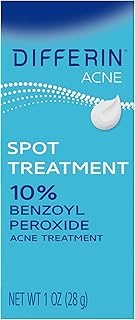
Navigating the world of over-the-counter (OTC) acne treatments can feel overwhelming. With shelves lined with products promising clear skin, two heavyweights consistently stand out: adapalene, famously known as Differin Gel, and benzoyl peroxide. If you're trying to decide between a retinoid like Differin and a maximum-strength benzoyl peroxide treatment, you're not alone. This comprehensive guide will break down the science, benefits, and ideal use cases for each, empowering you to make an informed decision for your skin.
Understanding the root cause of your acne is the first step toward effective treatment. Acne forms when hair follicles become clogged with excess oil (sebum) and dead skin cells. This creates an environment where the bacteria *Cutibacterium acnes* (C. acnes) can thrive, leading to inflammation and those familiar red, painful bumps. Both benzoyl peroxide acne treatment and Differin Gel target this process, but they do so through fundamentally different mechanisms.
Benzoyl Peroxide: The Bactericidal Powerhouse
Benzoyl peroxide (BPO) is a longstanding champion in the fight against acne. It works primarily as an antimicrobial and oxidizing agent. When applied, it releases oxygen into the pores, creating an environment where the acne-causing bacteria C. acnes cannot survive. This rapid bactericidal action makes it an excellent choice for inflammatory acne, such as papules and pustules. A maximum strength acne treatment containing 10% benzoyl peroxide acts quickly to reduce existing breakouts.
Beyond killing bacteria, benzoyl peroxide also has mild comedolytic (pore-unclogging) and anti-inflammatory properties. Its effects are often seen within days, making it a popular choice for those seeking fast acting acne treatment. However, its potency comes with potential side effects like dryness, peeling, redness, and bleaching of fabrics and hair.
Differin Gel (Adapalene): The Cell-Regulating Retinoid
Differin, on the other hand, contains adapalene, a third-generation retinoid. Unlike benzoyl peroxide's direct attack on bacteria, adapalene works by normalizing skin cell turnover. It prevents the hyperkeratinization (over-accumulation of skin cells) that leads to clogged pores. By keeping follicles clear, it addresses the very foundation of both non-inflammatory (blackheads, whiteheads) and inflammatory acne.
As a retinoid, Differin Gel also possesses significant anti-inflammatory properties, helping to calm the redness and swelling associated with pimples. It's important to note that adapalene works on a cellular level, which means results are not immediate. A purging period of 4-6 weeks is common as underlying clogs are pushed to the surface. However, with consistent use, it provides long-term management and can improve skin texture and post-acne marks.
Head-to-Head Comparison: Key Differences
Mechanism of Action
Benzoyl Peroxide: Kills bacteria, reduces inflammation, helps clear pores.
Differin Gel: Normalizes cell growth, prevents clogging, reduces inflammation.
Speed of Results
Benzoyl Peroxide: Often works within days for reducing active pimples.
Differin Gel: Requires patience; full benefits seen after 8-12 weeks of consistent use.
Best For
Benzoyl Peroxide: Inflammatory acne (red, pus-filled pimples), quick spot treatment.
Differin Gel: Comedonal acne (blackheads/whiteheads), mixed acne, long-term prevention and maintenance.
Common Side Effects
Benzoyl Peroxide: Dryness, irritation, peeling, bleaching.
Differin Gel: Initial dryness, peeling, redness, and purging.
Can You Use Them Together? The Acne Treatment Power Couple
Interestingly, benzoyl peroxide and adapalene can be a highly effective combination, as they attack acne from complementary angles. Using a face acne treatment with benzoyl peroxide in the morning and Differin Gel at night is a common dermatologist-recommended regimen. However, this combination can be extremely drying and irritating, especially for sensitive skin. It is crucial to introduce one product at a time, allow your skin to adjust, and always use a non-comedogenic moisturizer and sunscreen.
Choosing What's Right For Your Skin
Your choice depends on your primary acne type, skin sensitivity, and goals.
- Choose a Benzoyl Peroxide Spot Treatment if: You have occasional, inflamed breakouts that need fast resolution. Your skin is not overly sensitive, and you can manage potential dryness. You're looking for an OTC acne treatment with immediate bactericidal action.
- Choose Differin Gel if: You struggle with persistent blackheads and whiteheads. You have a mix of comedonal and inflammatory acne. You are committed to a long-term treatment plan for prevention and are prepared for a potential initial purge. You want to improve overall skin texture and prevent new clogs from forming.
Application Tips for Success
Regardless of your choice, proper application is key to efficacy and minimizing irritation.
For Benzoyl Peroxide: Start by applying a pea-sized amount as a thin layer or as a direct spot treatment to affected areas once daily (usually in the morning). After cleansing, apply a moisturizer to counteract dryness. Always follow with sunscreen, as BPO can increase sun sensitivity.
For Differin Gel: The "pea-sized amount for the whole face" rule is critical. Apply a thin layer to clean, completely dry skin at night, avoiding the eye and lip areas. Begin by using it every other night or three times a week to build tolerance. Moisturize generously and use sunscreen daily without fail, as retinoids increase photosensitivity.
Conclusion: A Personalized Path to Clearer Skin
Both benzoyl peroxide and Differin Gel are powerful, FDA-approved acne spot treatment options available over-the-counter. There is no universal "best" choice—only the best choice for *your* skin. A 10% benzoyl peroxide formulation offers a rapid, targeted assault on bacterial acne, while Differin provides a strategic, long-term solution by regulating skin cell behavior. For many, a combination approach or alternating use yields the best results. Listen to your skin, introduce products slowly, and prioritize hydration and sun protection. With consistency and the right product match, achieving clearer, healthier skin is an attainable goal.


