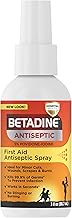
When it comes to effective wound care and infection prevention, having a reliable antiseptic solution in your first-aid kit is non-negotiable. For decades, Betadine has been a household name, synonymous with povidone iodine antiseptic. However, the market is filled with effective alternatives that offer the same powerful germ-killing properties. This comprehensive guide delves into the world of povidone iodine antiseptics, explaining their uses, benefits, and how to choose the right product for your needs, whether you're looking for a direct Betadine alternative or simply stocking up on essential medical supplies.
What is Povidone Iodine and How Does It Work?
Povidone iodine is a chemical complex of povidone, hydrogen iodide, and elemental iodine. It's widely used as a broad-spectrum skin disinfectant and antiseptic. Unlike pure iodine, which can be harsh and irritating, the povidone component acts as a solubilizing agent, allowing the iodine to be released slowly and steadily. This controlled release provides sustained antimicrobial action while significantly reducing the potential for skin irritation, making it suitable for a variety of wound care applications.
The mechanism is straightforward yet powerful. The free iodine released from the povidone iodine complex penetrates the cell walls of microorganisms—including bacteria, viruses, fungi, and protozoa—and disrupts key proteins and structures. This action effectively kills the pathogens or inhibits their growth, preventing infection in minor cuts, scrapes, and burns. Its efficacy against a wide range of microbes is why it remains a cornerstone in both hospital settings and home first-aid antiseptic kits.
Key Uses and Benefits of Povidone Iodine Solutions
A 10% povidone iodine solution, like the one found in many products including Betadine and its alternatives, is incredibly versatile. Its primary use is for the prevention of infection in minor wounds. This includes cleaning small cuts, abrasions, and burns. Before applying a bandage, a gentle application of the solution can create a protective barrier against common bacteria.
Beyond simple wound care, its uses extend to preoperative skin preparation for minor surgical procedures, disinfecting medical equipment in a pinch, and even as a topical treatment for minor skin infections. One of its greatest benefits is its non-stinging formulation compared to older antiseptics like alcohol or hydrogen peroxide, which makes it more patient-friendly, especially for children. Furthermore, it has a minimal risk of promoting bacterial resistance, a growing concern with some antibiotic ointments.
Choosing a Betadine Alternative: What to Look For
While Betadine is a trusted brand, several high-quality alternatives offer identical active ingredients and efficacy. When selecting a Betadine alternative, prioritize products that clearly state they contain 10% povidone iodine as the active ingredient. Concentration is key for effectiveness.
Consider the formulation. Solutions are ideal for pouring over wounds or using with gauze, while sprays offer no-touch application, which is more hygienic for certain situations. Also, look at value. For families, frequent users, or those building comprehensive first-aid kits, purchasing a multi-pack can be more economical. A product like the First Aid Antiseptic, 10% Povidone Iodine Solution, 8 Fl Oz, Pack of 4 provides substantial quantity and value, ensuring you're never without this essential first-aid kit essential.
Safety and Best Practices for Wound Care
Even the best antiseptic solution must be used correctly. First, always clean the wound with mild soap and water to remove debris before applying any antiseptic. Apply the povidone iodine solution gently with sterile gauze or a cotton swab. A common mistake is using too much; a thin layer is sufficient.
It's crucial to perform a patch test on a small area of unbroken skin if you have never used the product before, as some individuals may have an allergy to iodine. Do not use on deep, puncture wounds, animal bites, or serious burns without consulting a doctor. Avoid using it consistently on large areas of skin for prolonged periods, as systemic iodine absorption can occur. Always follow the specific instructions on the product label for safe and effective use.
Why Povidone Iodine is a First-Aid Kit Staple
In conclusion, a 10% povidone iodine solution is an indispensable component of any well-stocked first-aid kit. Its broad-spectrum efficacy, gentle formulation, and versatility make it superior to many other over-the-counter antiseptics. Whether you choose the branded Betadine or a reliable generic alternative, you are investing in a powerful tool for infection control.
Ensuring you have an adequate supply, such as opting for a multi-pack solution, means you're prepared for minor emergencies at home, during travel, or at work. By understanding its uses, benefits, and proper application, you can confidently use this skin disinfectant to promote safer and faster healing, making it a true cornerstone of practical wound care.