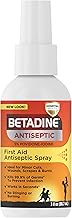
When it comes to effective infection control in first aid and medical settings, few names are as trusted as Betadine. At the heart of this trust is the Betadine 5% Solution, a powerful and versatile topical antiseptic. This comprehensive guide delves into everything you need to know about this essential product, from its active ingredient, povidone-iodine, to its myriad applications in wound care, surgical preparation, and general skin disinfection. Whether you're a healthcare professional stocking a clinic or a parent building a home first-aid kit, understanding this solution is key to promoting safe and rapid healing.
The cornerstone of Betadine's efficacy is its formulation. The 5% Solution contains povidone-iodine, a complex that slowly releases free iodine upon contact with skin or mucous membranes. This controlled release is what makes it a first-aid antiseptic of choice—it provides sustained antimicrobial action without the harsh stinging often associated with older iodine tinctures. It is broadly effective against a wide spectrum of pathogens, including bacteria, viruses, fungi, protozoa, and even bacterial spores, making it a critical tool for preventing infection in minor cuts, scrapes, and burns.
Core Uses and Applications of Betadine 5% Solution
The versatility of the Betadine 5% Solution is one of its greatest strengths. Its primary role is as a wound cleanser. For minor lacerations, abrasions, and burns, applying the solution helps to disinfect the area, significantly reducing the risk of infection and creating a cleaner environment for the body's natural healing processes to begin. It's important to use it as directed—typically by applying a small amount to a sterile gauze pad and gently dabbing the wound area.
Beyond everyday first aid, this solution is indispensable in clinical environments as a surgical scrub. Healthcare providers use it to thoroughly disinfect the skin of patients before surgical incisions, as well as for scrubbing their own hands and forearms pre-operatively. Its persistent activity helps maintain a sterile field. Furthermore, it serves as a powerful skin disinfectant before injections, blood draws, and the insertion of IV catheters, minimizing the chance of introducing microbes beneath the skin's surface.
Benefits and Advantages Over Other Antiseptics
Choosing the Betadine 5% Solution offers several distinct advantages. First is its broad-spectrum efficacy; few other topical antiseptic agents offer such wide-ranging coverage against different types of microbes. Second, the povidone-iodine complex is generally less irritating than pure iodine, leading to better patient compliance, especially with children. Third, it retains its activity in the presence of blood, serum, and pus, which is crucial for treating contaminated wounds where other antiseptics might be neutralized.
The specific 5-percent solution concentration is clinically proven to be effective for topical application while maintaining a good safety profile. It provides a potent dose of antiseptic power suitable for most outpatient and home care scenarios. When compared to alternatives like alcohol or hydrogen peroxide, Betadine is often preferred for open wounds because it is less damaging to healthy tissue and does not impede the healing process when used correctly.
How to Use Betadine 5% Solution Safely and Effectively
Proper application is essential for both safety and maximum benefit. For wound care, first stop any bleeding and clean the wound with mild soap and water if possible. Pat dry with a clean cloth. Then, apply a small amount of the Betadine solution to a sterile cotton ball or gauze and gently dab it onto the wound and the immediate surrounding skin. Allow it to air dry or cover with a sterile bandage if needed. It is typically not necessary to rinse it off.
For pre-operative skin disinfection, the area should be clean and dry. Apply the solution in a circular motion, starting at the intended site of incision or puncture and moving outward. Follow specific protocol for surgical scrubs, which often involves a timed, methodical scrubbing process. It is critical to avoid using Betadine 5% Solution on deep, serious wounds, animal bites, or severe burns without consulting a doctor. Always perform a patch test on a small area of skin if you have never used iodine-based products before, to check for allergic reactions.
Important Safety Information and Precautions
While highly effective, Betadine is a potent medication and must be used with care. Do not use it if you have a known allergy to iodine. Discontinue use and consult a physician if you experience signs of irritation like redness, itching, or swelling that worsens. Avoid contact with the eyes and mucous membranes unless the product is specifically formulated for such use (this 5% solution is generally for external use only). Do not swallow the solution.
Prolonged use over large areas of the body, especially on broken skin, can lead to systemic absorption of iodine. This is particularly important for individuals with thyroid disorders, such as hyperthyroidism, or those who are pregnant or breastfeeding. Consult a healthcare provider before extended use. Furthermore, Betadine antiseptic products can stain skin, clothing, and surfaces. These stains are typically temporary on skin but can be permanent on fabrics.
Integrating Betadine into Your First Aid Routine
Having a reliable antiseptic like the Betadine 5% Solution is a cornerstone of any well-prepared first aid kit. Its stability and long shelf life make it an ideal item to keep on hand for emergencies. Pair it with sterile gauze pads, adhesive bandages, and medical tape for a complete wound care station. For those interested in the science behind it, learning more about povidone-iodine solution can provide deeper insight into why it remains a gold standard in antisepsis decades after its introduction.
In conclusion, the Betadine 5% Solution, 16 Fl Oz, is more than just a bottle of brown liquid; it's a powerful, versatile, and trusted tool in the fight against infection. From treating a child's scraped knee to preparing a patient for surgery, its role in promoting hygiene and health is undeniable. By understanding its proper uses, benefits, and precautions, you can confidently utilize this effective antiseptic to protect yourself and your loved ones, ensuring minor injuries don't turn into major problems.