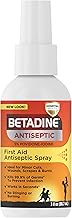
When it comes to treating minor injuries like cuts, scrapes, and burns, effective infection protection is non-negotiable. For decades, one name has been synonymous with trusted antiseptic care: Betadine. Specifically, antiseptic sprays containing povidone-iodine, such as the Antiseptic First Aid Spray with Povidone-iodine 5%, offer a powerful, yet gentle solution. This guide delves into why this type of first-aid spray is a staple in medicine cabinets worldwide, focusing on its unique "no-sting" promise and alcohol-free formulation.
What is Povidone-Iodine and How Does Betadine Work?
Povidone-iodine is a broad-spectrum antiseptic complex that has been the active ingredient in Betadine products for years. Unlike harsh alcohols or hydrogen peroxide, which can damage healthy tissue and cause significant pain, povidone-iodine works by slowly releasing iodine. This iodine effectively kills a wide range of pathogens—bacteria, viruses, and fungi—on contact, creating a protective barrier against infection. The "povidone" component acts as a carrier, allowing for a sustained release that minimizes irritation, which is the foundation of the celebrated "no-sting" experience.
The Problem with Traditional Antiseptics: Alcohol and Hydrogen Peroxide
Many people reach for rubbing alcohol or hydrogen peroxide when they get a minor wound, believing the intense sting signifies it's "working." In reality, that pain is often a sign of tissue damage. Alcohol can dry out and kill healthy skin cells around the wound, potentially delaying healing. Hydrogen peroxide, while effective at cleaning, can also damage fibroblasts and keratinocytes, the cells crucial for skin repair. This is where a dedicated no-sting antiseptic like a povidone-iodine spray becomes a superior choice for effective infection protection without the collateral damage.
Deep Dive: Benefits of a No-Sting, Alcohol-Free Antiseptic Spray
The Antiseptic First Aid Spray is formulated with patient comfort and efficacy in mind. Let's explore its key benefits:
1. Powerful Germ-Killing Action with Minimal Discomfort
The 5% povidone-iodine solution is clinically proven to kill germs that can cause infection in minor wounds. Its mechanism allows it to be potent against microbes while being significantly gentler on nerve endings than alcohol-based products. This makes it ideal for children, individuals with sensitive skin, or for use on sensitive areas.
2. Promotes an Optimal Healing Environment
By avoiding alcohol and hydrogen peroxide, this alcohol-free antiseptic doesn't desiccate the wound bed. Maintaining a moist environment is a key principle in modern wound care, as it supports the migration of new skin cells and can reduce scarring. The spray format allows for easy, non-touch application, further reducing the risk of introducing new contaminants.
3. Versatility for Various Minor Injuries
This spray is explicitly designed for minor cuts, scrapes, and burns. Its gentle nature means it can be used on a fresh scrape from a fall, a small kitchen cut, or a minor first-degree burn. The convenient spray bottle enables coverage of larger or hard-to-reach areas, ensuring the entire wound site is protected.
How to Use Betadine Antiseptic Spray for Effective Wound Care
Proper application is key to maximizing the benefits of any wound care product. Follow these steps for best results:
- Clean the Wound: First, gently rinse the area with cool, clean water to remove any visible debris.
- Pat Dry: Use a clean, soft cloth or gauze to pat the surrounding skin dry. Avoid rubbing the wound itself.
- Apply the Spray: Hold the bottle 4 to 6 inches from the wound and spray a light, even layer to fully cover the affected area. One or two sprays are usually sufficient.
- Let it Dry: Allow the antiseptic solution to air dry completely. It will leave a slight brownish film—this is the protective povidone-iodine barrier.
- Cover if Needed: For cuts or scrapes that might get dirty, apply a sterile bandage or gauze pad after the spray has dried. Reapply the spray and change the dressing daily or if it becomes wet or dirty.
Safety and Precautions: When to Use and When to See a Doctor
While Betadine antiseptic sprays are safe for most people, certain precautions apply. Do not use on deep wounds, puncture wounds, animal bites, or serious burns. Discontinue use if signs of irritation or allergic reaction occur. It is for external use only. Crucially, this product is for minor injuries. Seek immediate medical attention for wounds that are deep, won't stop bleeding, show signs of infection (increased redness, swelling, pus, or fever), or are caused by a dirty or rusty object.
Why Choose This Specific Antiseptic First Aid Spray?
In a market filled with options, the Antiseptic First Aid Spray with Povidone-iodine 5% stands out by combining proven science with user-centric design. Its commitment to a "no-sting promise" directly addresses the primary deterrent to proper wound cleansing: pain. By eliminating alcohol and hydrogen peroxide, it aligns with advanced wound healing principles. For anyone looking to build a comprehensive first-aid kit, including a reliable, gentle, and effective antiseptic spray is essential. This product embodies the evolution of Betadine technology—offering powerful infection protection where it matters most, without the unnecessary sting of outdated methods.
Ultimately, effective first aid is about being prepared with the right tools. Incorporating a povidone-iodine-based antiseptic spray into your home, travel, or workplace kit ensures you're ready to handle minor injuries promptly and properly, supporting faster healing and providing peace of mind.


