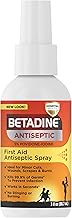
When it comes to effective first aid, having a reliable antiseptic is non-negotiable. Among the trusted names in wound management, Betadine stands out for its broad-spectrum efficacy. Specifically, formulations like the Antiseptic Ointment 65g have become a staple in medicine cabinets worldwide. This comprehensive guide delves into everything you need to know about using povidone-iodine based ointments for optimal wound care and robust infection prevention.
What is Betadine Antiseptic Ointment?
At its core, Betadine antiseptic ointment is a topical medication containing povidone-iodine as its active ingredient. Povidone-iodine is a complex that releases iodine, a potent antiseptic known for its ability to kill a wide range of pathogens, including bacteria, viruses, fungi, and protozoa. The 65g tube offers a convenient and portable format, making it ideal for home use, travel kits, and on-the-go first aid. Unlike some harsh antiseptics, this ointment is formulated to be effective while being gentle enough for minor skin irritations, cuts, and scrapes.
Key Uses and Benefits of Povidone Iodine Ointment
The versatility of a povidone iodine based antiseptic ointment is one of its greatest strengths. Its primary function is to prevent infection in minor wounds, but its applications extend further.
1. Prevention of Wound Infections
Applying the ointment to clean, minor cuts, abrasions, and burns creates a protective barrier. The slowly released iodine actively kills germs that could cause an infection, promoting a cleaner healing environment. This is crucial for skin protection during the vulnerable healing phase.
2. Treatment of Minor Skin Infections
For small, localized skin infections like minor folliculitis or infected insect bites, the ointment can help reduce bacterial load and support the body's natural healing process. It's important to consult a doctor for spreading or severe infections.
3. Protection for Minor Burns and Scald
First-degree burns and small second-degree burns can benefit from an antiseptic layer to prevent microbial colonization, which can complicate healing.
4. Pre- and Post-Procedural Care
Healthcare professionals often use povidone-iodine for skin disinfection before injections or minor surgical procedures. At home, it can be used similarly for caring for minor lacerations or after removing a splinter.
How to Use Antiseptic Ointment Correctly: A Step-by-Step Guide
Proper application is key to effectiveness and safety. Follow these steps for best results when using a product like the Antiseptic Ointment 65g.
Step 1: Clean the Wound. Gently wash the affected area with mild soap and clean, running water. Pat the area dry thoroughly with a clean cloth or sterile gauze.
Step 2: Apply a Thin Layer. Squeeze a small amount of the medical ointment onto a clean cotton swab or fingertip. Apply a thin, even layer over the entire wound and a slight margin of the surrounding healthy skin.
Step 3: Cover if Necessary. For wounds on areas prone to dirt or friction, cover with a sterile bandage or gauze pad. Change the dressing and reapply the ointment daily, or as directed by a healthcare provider, or if the dressing becomes wet or dirty.
Step 4: Monitor Healing. Watch for signs of normal healing (decreased redness, less swelling) and be alert for signs of infection (increased pain, redness, swelling, pus, or fever).
Common Mistakes and "避坑" Guide: What to Avoid
Even with a trusted product like Betadine, mistakes in usage can reduce efficacy or cause irritation.
Mistake 1: Using on Deep, Severe, or Heavily Bleeding Wounds
The Pitfall: Applying ointment to a deep puncture, animal bite, or heavily bleeding wound. The Fix: For serious wounds, apply direct pressure to stop bleeding and seek immediate medical attention. Topical antiseptics are for minor, superficial wounds only.
Mistake 2: Applying to Large Areas of Skin for Prolonged Periods
The Pitfall: Using the ointment on extensive burns or large areas of broken skin over many days. The Fix: Iodine can be absorbed through the skin. Use only on small areas as directed. For large wounds, a doctor's guidance is essential.
Mistake 3: Not Performing a Patch Test (For Those with Sensitive Skin)
The Pitfall: Assuming no allergy or sensitivity. The Fix: If you have sensitive skin or a known iodine allergy, do a patch test first. Apply a small amount to intact skin on the inner forearm, cover, and check after 24 hours for redness or itching.
Mistake 4: Using Expired or Improperly Stored Product
The Pitfall: An expired ointment may lose potency. The Fix: Always check the expiration date. Store the tube in a cool, dry place, away from direct sunlight and with the cap tightly closed.
Betadine Ointment vs. Other Antiseptic Forms
Betadine is available in various forms—solution, scrub, spray, and gargle. The ointment, like the 65g variant, offers unique advantages:
Ointment (e.g., 65g tube): Provides a longer-lasting protective barrier on the wound. It is moisturizing, can prevent dressing from sticking to the wound, and is ideal for dry, scraped areas.
Solution/Spray: Better for initial cleansing of larger or hairier areas. Dries quickly but doesn't provide a lasting barrier.
Scrub: Used for surgical hand scrubs or deep cleansing of heavily soiled skin before a procedure; generally not for open wound care.
Choosing the antiseptic ointment format is often best for ongoing care of a minor cut once it has been initially cleaned.
Safety and Precautions: Who Should Use It With Care?
While generally safe for topical use, certain precautions are vital.
- Iodine Allergy: Do not use if you have a known allergy to iodine or povidone-iodine.
- Thyroid Disorders: Consult a doctor before long-term or extensive use, as iodine absorption can affect thyroid function.
- Pregnancy and Breastfeeding: Consult a healthcare professional before use.
- Children: Use under adult supervision. Avoid use on newborns, especially premature infants.
- Avoid Eyes and Mucous Membranes: For external use only. If contact occurs, rinse thoroughly with water.
Building Your First Aid Kit: Why Include an Antiseptic Ointment?
A well-stocked first aid kit is your first line of defense. An effective antiseptic ointment is a cornerstone item. It addresses the critical need for infection prevention immediately after an injury. Pair your 65g ointment tube with sterile gauze, adhesive bandages of various sizes, medical tape, tweezers, and gloves. Having a dedicated, reliable product like a povidone-iodine ointment ensures you're prepared to handle minor mishaps properly, reducing the risk of complications and promoting faster healing.
Final Verdict and Recommendations
Betadine Antiseptic Ointment, particularly in the practical 65g size, is a highly effective and trustworthy option for home wound care. Its broad-spectrum action via povidone-iodine makes it a powerful tool against infection. By understanding its proper uses—applying a thin layer to clean, minor wounds—and avoiding common pitfalls like using it on severe injuries, you can leverage its benefits safely. Whether for a kitchen cut, a child's scraped knee, or a minor burn, keeping this medical ointment in your first aid supplies is a wise step toward better skin protection and health preparedness. Always remember that for serious injuries or signs of infection, professional medical advice is paramount.