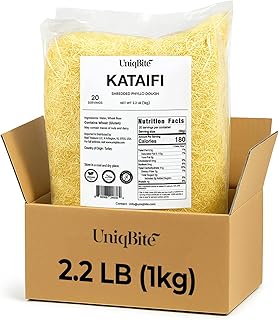
If you've been captivated by the stunning, nest-like pastries in Middle Eastern bakeries or the latest viral dessert sensation from Dubai, you've likely encountered Kadayif. Also known as Kataifi, this unique shredded phyllo dough is the secret behind some of the world's most beloved and visually impressive desserts. Far more than just an ingredient, Kadayif is a culinary canvas, transforming from a crispy, golden nest for sweet cheese in Knafeh to the crunchy core of the internet-famous pistachio chocolate bar. This guide will demystify this versatile pastry, exploring its origins, uses, and how you can master it in your own kitchen.
What Exactly is Kadayif (Kataifi) Dough?
At its core, Kadayif is a form of unleavened pastry dough. Unlike its cousin, the smooth, sheeted phyllo, Kadayif is extruded into incredibly fine, vermicelli-like strands. These strands are then layered or bundled to create a texture that is uniquely both crispy and chewy when baked or fried. The name varies by region: Kadayif in Turkish, Kataifi in Greek, and often associated with desserts like Kunafa (Knafeh) across the Levant. Its genius lies in its ability to absorb syrups and butter while maintaining structural integrity, creating a delightful contrast in every bite. For consistent, high-quality results, many home bakers and professionals turn to premium, pre-shredded options like Chobella's dried and shredded Kataifi, which offers convenience without sacrificing the authentic texture crucial for traditional recipes.
A Brief History: The Sweet Journey of Shredded Pastry
The origins of Kadayif are woven into the rich tapestry of Ottoman cuisine. Food historians believe it was developed in the imperial kitchens, with its precise, thread-like form showcasing the height of pastry artistry. From there, it spread throughout the empire, from the Balkans to the Middle East and North Africa, evolving into regional specialties. In Palestine and Jordan, it became synonymous with Knafeh (Kunafa), a celebratory cheese pastry. In Greece, Kataifi is often wrapped around nuts for dessert rolls. This historical journey explains its many names and forms, but the core ingredient—the delicate, shredded dough—remains a timeless link between cultures and centuries of sweet tradition.
Kadayif in the Modern Kitchen: Classic to Viral
Today, Kadayif's versatility is on full display, bridging the gap between time-honored classics and modern, social media-driven creations.
The Timeless Classic: Knafeh (Kunafa)
No discussion of Kadayif is complete without Knafeh. This iconic dessert features a layer of the shredded dough, buttered and pressed into a pan, topped with a mild, stretchy cheese like Nabulsi or Akkawi, and then covered with another layer of dough. Baked until golden and drenched in a rose or orange blossom-scented sugar syrup, it's a masterpiece of contrasting textures: crispy, buttery strands against soft, salty-sweet cheese. It's the ultimate test of a good Kadayif—it must hold the cheese and syrup without becoming soggy.
The Internet Sensation: Dubai Pistachio Chocolate Bar
The latest chapter in the Kadayif story is the viral Dubai pistachio chocolate bar. This dessert leverages the dough's unique texture in a new way. Toasted Kataifi strands are mixed with pistachios and bound with chocolate or a sugar syrup, then pressed into a bar form. The result is an irresistible combination of crunchy, flaky pastry, rich nuts, and sweet chocolate. It's a perfect example of how traditional ingredients can be reimagined for global trends, and it has made Kadayif a sought-after item for adventurous bakers worldwide. Using a finely shredded, premium dough is key here to ensure even toasting and a consistent, delicate crunch in every bite.
Beyond Desserts: Savory Applications
While sweet treats are its primary domain, creative chefs use Kadayif in savory dishes. It can be wrapped around shrimp, fish, or cheese before frying, creating an elegant, crispy coating that's far more interesting than standard breadcrumbs. The neutral flavor of the dough makes it an excellent carrier for spices and herbs in these applications.
Choosing and Working with Kadayif Dough: A Pro Guide
Success with Kadayif starts with choosing the right product and knowing how to handle it.
Selecting Your Dough: Fresh vs. Dried
You may find fresh Kadayif in specialty stores, but for most home cooks, the dried version is more accessible and reliable. Look for a product with long, fine, and uniform strands. The dough should be pale in color and feel dry to the touch. Avoid packages with many broken, short strands or any signs of moisture, which can lead to clumping. A premium dried shredded fillo, like the one from Chobella, is specifically processed to rehydrate perfectly with butter or oil, giving you professional results.
The Essential Technique: Buttering and Hydrating
This is the most critical step. Dried Kadayif must be properly coated with fat to become pliable and achieve its signature crispness.
- Separate Gently: Loosen the cold, clumped strands in a large bowl with your fingers. Don't pull aggressively.
- Melted Fat: Use clarified butter (ghee) or a good-quality unsalted butter. It should be warm, not hot.
- Even Coating: Drizzle the butter over the strands while tossing them continuously with your hands or two forks. Every strand should glisten lightly. The goal is hydration, not saturation.
- Rest: Let the buttered dough sit for 5-10 minutes. This allows the strands to soften and become workable.
Common Pitfalls and How to Avoid Them
- Soggy Bottom: Caused by too much butter or syrup. Measure your butter and apply syrup to hot pastry so it absorbs without making it wet.
- Burnt Strands: Kadayif can go from golden to burnt quickly. Watch it closely in the oven, and consider covering with foil if top strands brown too fast.
- Clumpy Dough: If your dough arrives clumped, let it come to room temperature before gently separating. Using cold dough straight from the fridge will cause breakage.
Your Kadayif Recipe Toolkit: Ideas to Get Started
Ready to experiment? Here are two approaches, from a classic to a viral hit.
Simplified Knafeh for Beginners
Use a store-bought, pre-shredded Kataifi dough. Butter it well as described. Press half into a pie dish, add a layer of ricotta cheese mixed with a touch of sugar and orange blossom water, top with the remaining dough, and bake at 375°F (190°C) until golden. Pour cooled sugar syrup over the hot pastry. It's a forgiving introduction to the world of Middle Eastern pastry.
Deconstructed Pistachio Chocolate "Bar"
Toast buttered Kadayif strands on a sheet pan until golden and crisp. Let cool, then mix with chopped pistachios and mini chocolate chips. Drizzle with melted chocolate, toss to combine, and then press the mixture into a lined tray. Chill, then break into chunks instead of slicing into neat bars. It's less fussy but delivers all the addictive texture and flavor of the viral original.
Why Premium Kadayif Makes a Difference
While all Kadayif may look similar, the quality of the wheat, the extrusion process, and the drying technique significantly impact the final product. Inferior dough can have thick, uneven strands that don't crisp properly or become tough. A premium dough ensures fine, consistent strands that toast evenly, absorb butter and syrup in a balanced way, and deliver that ideal delicate crunch. For bakers who want authentic texture and reliable performance—whether for a traditional Kunafa or a trendy pistachio chocolate bar—investing in a high-quality product like Chobella's is the first step to dessert success.
Conclusion: Embrace the Versatility of Kadayif
From the fragrant pastry shops of the Middle East to the trending pages of social media, Kadayif has proven its enduring appeal. It's an ingredient that invites creativity while being rooted in deep culinary tradition. Whether you're aiming to master the perfect, syrupy Knafeh, create the crunchy star of your next dinner party, or simply explore a new textural element for your desserts, understanding this shredded pastry dough opens up a world of delicious possibilities. Start with a quality product, master the buttering technique, and don't be afraid to experiment. Your journey into the crisp, sweet, and endlessly versatile world of Kadayif is just beginning.