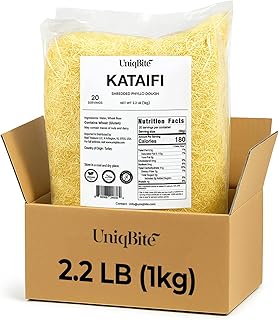
If you've ever been excited to make a beautiful Kadayif dessert, only to end up with a dry, brittle mess or a soggy, unappealing one, you're not alone. Mastering this unique shredded pastry is an art, and even experienced bakers can run into trouble. This guide is your solution. We'll dive deep into the most common Middle Eastern baking pitfalls with shredded fillo dough and provide clear, actionable fixes to ensure your Kunafa dessert, Baklava, or viral chocolate bars turn out perfectly every time.
The #1 Mistake: Improper Hydration & Handling
The delicate, thread-like nature of Kadayif means it reacts dramatically to moisture. The most frequent error is either not adding enough liquid (leading to a dry, crumbly result) or adding too much (creating a mushy, heavy dessert). The goal is to achieve a texture that is moist enough to hold together but dry enough to become beautifully crisp when baked or fried. For a reliable starting point, many bakers turn to a quality product like Dolce Calma's premium shredded fillo, which offers consistent strand quality. A good rule of thumb is to lightly spray or sprinkle the dough with a butter-sugar syrup or clarified butter (ghee), tossing gently with your fingers until every strand is just coated and slightly pliable, not wet.
Filling Fails: Avoiding Sogginess & Leakage
Whether you're making a cheese-filled Knafeh or a nut-packed dessert, the filling's moisture content is critical. A common mistake is using fresh cheese that hasn't been drained properly or a nut filling that's too oily. For cheese, always use a dry, brined cheese like Akkawi or Nabulsi, soaked to remove excess salt and patted thoroughly dry. For nut fillings, toast your nuts first to enhance flavor and reduce inherent moisture. When assembling, create a barrier: press a layer of the buttered Kadayif dough firmly into your pan to form a seal before adding your filling. This base layer acts as a shield against syrup saturation during baking, preventing a soggy bottom.
Syrup Science: Timing & Temperature is Everything
Pouring hot syrup over a hot pastry, or cold syrup over a cold one, are both recipes for disaster. The golden rule for perfect texture is HOT pastry, COLD syrup, or vice versa. This temperature shock helps the syrup be absorbed more evenly without making the pastry limp. After baking or frying your shredded fillo dough creation until golden, let it rest for just 2-3 minutes. Then, evenly pour your cooled, flavored syrup (often rose or orange blossom water-infused) over the top. Allow the dessert to fully absorb the syrup for at least 30 minutes before serving. This patience ensures every bite is perfectly sweet and crisp.
Problem-Solving Guide: Quick Fixes for Common Kadayif Issues
Problem: Dry, Brittle, or Crumbly Pastry
Cause: Insufficient fat or syrup. The strands weren't adequately coated before baking.
Solution: Next time, be more generous with your butter or ghee coating. For a rescue attempt on a baked dessert, you can carefully drizzle a little extra warm syrup over the dry areas and let it sit covered for an hour.
Problem: Soggy, Heavy, or Greasy Result
Cause: 1) Dough was over-hydrated before baking. 2) Syrup was poured at the wrong temperature. 3) Pastry was under-baked.
Solution: Ensure you only moisten the dough until pliable. Always follow the hot/cold syrup rule. Bake until the top is deeply golden brown; a pale color means excess moisture remains. For an already soggy dessert, you can try briefly placing it under a broiler to re-crisp the top, watching it carefully.
Problem: Filling Leaks Out During Baking
Cause: Inadequate bottom crust or overfilled pan.
Solution: Press the bottom layer of dough more firmly into the pan, especially at the edges. Don't overfill; the filling should be contained well below the rim. Consider using a firmer cheese or adding a binder like semolina to nut fillings.
Beyond Tradition: Modern Twists & Viral Success
While traditional Kunafa and Baklava are timeless, the versatility of Kadayif dough shines in modern creations. The viral Dubai chocolate bar is a perfect example—where the shredded pastry is toasted with butter and sugar, then pressed into a layer with pistachio cream and chocolate. The key here is to toast the dough to a perfect golden crisp before assembling, creating a textural contrast. For these dessert-making projects, using a finely shredded, consistent product ensures even toasting and a professional result. It's a fantastic way to explore the dough's potential beyond classic forms.
Storage & Preparation: Keeping Your Dough Perfect
Quality starts with proper storage. Always keep unopened Kadayif dough in a cool, dry place. Once opened, transfer any unused portion immediately to an airtight container or resealable bag to prevent it from drying out and becoming brittle. If your dough does dry out slightly, you can revive it by placing it in a colander over a pot of steaming water for a few seconds, then fluffing it with a fork. Starting with a well-made dough eliminates many variables, allowing you to focus on technique and flavor for your Baklava dough and other creations.
Mastering the Craft: Your Path to Kadayif Confidence
Avoiding these common mistakes transforms shredded fillo dough from a frustrating ingredient into a joyful medium for culinary creativity. Remember the core principles: balance moisture with fat, manage syrup temperature, and bake to a confident golden brown. Whether you're crafting a family-sized Knafeh or individual pistachio cream pastries, understanding the "why" behind each step is the true secret to success. Don't be discouraged by a less-than-perfect first attempt; each batch is a learning experience on the delicious path to mastering this iconic element of Middle Eastern baking.