If you're struggling with persistent dandruff, an itchy scalp, or flaky skin, you're not alone. These common scalp conditions affect millions of people worldwide, impacting confidence and daily comfort. Among the many treatments available, one name consistently stands out in dermatologist recommendations and user reviews: Nizoral Shampoo. This medicated shampoo has earned its reputation as a powerful ally in the fight against fungal-related scalp issues. But what exactly is it, how does it work, and is it the right solution for you? This ultimate guide dives deep into everything you need to know about Nizoral, from its science-backed formula to practical application tips.
What is Nizoral Shampoo and How Does It Work?
The effectiveness of Nizoral Shampoo hinges on its active ingredient: ketoconazole. Ketoconazole is a broad-spectrum antifungal agent that belongs to the azole class. Unlike many over-the-counter dandruff shampoos that primarily focus on exfoliation (like those with zinc pyrithione or salicylic acid), ketoconazole targets the root cause of many scalp problems—a yeast-like fungus called Malassezia.
Malassezia is a natural resident on everyone's scalp. However, in some individuals, an overgrowth of this fungus can occur. This overgrowth triggers an inflammatory response in the skin, leading to accelerated skin cell turnover. The result? Those visible white or yellowish flakes we know as dandruff, along with redness, itching, and sometimes greasy scales associated with seborrheic dermatitis. By significantly reducing the population of Malassezia on the scalp, ketoconazole helps calm inflammation, normalize skin cell shedding, and relieve the associated symptoms.
Nizoral is available in different strengths, most commonly 1% over-the-counter and 2% by prescription in some regions. The Nizoral Shampoo you find on shelves is designed for periodic use to control and prevent flare-ups, making it a cornerstone of long-term scalp management for many.
Key Benefits and Conditions It Treats
Understanding what Nizoral can do is crucial for determining if it matches your needs. Its primary benefits are tied directly to its antifungal action.
1. Effectively Controls Dandruff (Pityriasis Capitis)
This is the most common use for Nizoral. Clinical studies have consistently shown that ketoconazole shampoo is highly effective in reducing the severity of dandruff, often outperforming other active ingredients. Regular use can lead to a noticeable reduction in flaking and itching within a few weeks.
2. Manages Seborrheic Dermatitis of the Scalp
Seborrheic dermatitis is a more severe, inflammatory form of dandruff. It presents with greasy, yellowish scales, pronounced redness, and persistent itching. Nizoral is a first-line treatment recommended by dermatologists for this condition due to its potent anti-fungal and anti-inflammatory properties.
3. May Help with Certain Types of Hair Loss
There is emerging evidence and dermatological observation that ketoconazole may have benefits for hair loss, particularly androgenetic alopecia (male and female pattern baldness). While its primary mechanism is antifungal, some research suggests it may have mild anti-androgenic effects and help reduce scalp inflammation that can contribute to hair follicle miniaturization. It is often used as an adjunct therapy alongside treatments like minoxidil. However, it is not a standalone cure for genetic hair loss.
4. Addresses Tinea Versicolor (Pityriasis Versicolor)
Although this condition affects the body, not just the scalp, ketoconazole shampoo can be used as a wash on the torso to treat the fungal infection that causes discolored patches on the skin.
How to Use Nizoral Shampoo Correctly for Best Results
Using a medicated shampoo like Nizoral incorrectly can reduce its effectiveness or cause unnecessary dryness. Follow these steps for optimal results:
- Wet Hair Thoroughly: Start with completely wet hair.
- Apply a Small Amount: A quarter-sized amount is usually sufficient for short to medium hair. For longer hair, you may need a bit more.
- Lather and Massage: Work the shampoo into a rich lather and massage it deeply into your scalp with your fingertips. Focus on the areas most affected by flaking or itching. Avoid aggressively scratching with your nails.
- Let It Sit (The Most Important Step): This is where the magic happens. Leave the lather on your scalp for 3-5 minutes. This contact time allows the ketoconazole to penetrate the skin and effectively combat the fungus. Use this time to wash the rest of your body.
- Rinse Completely: Rinse your hair and scalp thoroughly with warm water.
- Follow with Conditioner (Optional): Nizoral can be slightly drying. You can apply a conditioner to the ends of your hair, but try to avoid the scalp to prevent diluting the medication's effect.
Frequency: For initial treatment of active dandruff or seborrheic dermatitis, use Nizoral twice a week for 2-4 weeks. For long-term maintenance and prevention of recurrence, reduce usage to once every 1-2 weeks. It is not meant for daily use.
Common Mistakes and How to Avoid Them
Even with a great product, mistakes can hinder progress. Here are pitfalls to avoid:
- Not Letting It Sit: Rinsing immediately is the #1 reason for poor results. The 3-5 minute contact time is non-negotiable.
- Using It Too Frequently: Daily use can strip the scalp of natural oils, leading to dryness, irritation, and potentially rebound flaking. Stick to the recommended twice-weekly schedule.
- Expecting Instant Results: While itching may subside quickly, it can take 2-4 weeks of consistent use to see a significant reduction in flaking. Be patient.
- Applying Conditioner to the Scalp: This can create a barrier and reduce ketoconazole's efficacy. Condition the mid-lengths and ends only.
- Giving Up Too Soon: If you don't see improvement after a month of correct use, consult a dermatologist. You may need a prescription-strength formula or a different diagnosis.
Nizoral vs. Other Dandruff Shampoos
How does Nizoral stack up against the competition? Here’s a quick comparison:
- Zinc Pyrithione (e.g., Head & Shoulders): Works by slowing down yeast growth and reducing skin cell turnover. Effective for mild dandruff but may be less potent for seborrheic dermatitis.
- Selenium Sulfide (e.g., Selsun Blue): Also antifungal and anti-proliferative. Can be very effective but has a stronger odor and may cause more oiliness or dryness for some.
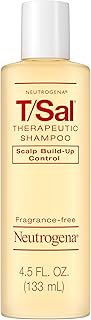
- Salicylic Acid (e.g., Neutrogena T/Sal): A keratolytic that helps break down and remove scales. Good for lifting flakes but doesn't target the fungus directly. Often used in combination with other agents.
- Coal Tar (e.g., Neutrogena T/Gel): Slows skin cell growth and reduces inflammation. Can be effective but has a strong odor, can stain hair and towels, and is a potential carcinogen with long-term use.
The Nizoral Advantage: Its targeted antifungal action makes it particularly effective for conditions directly linked to Malassezia overgrowth. Many find it less drying than selenium sulfide and without the odor/staining issues of coal tar.
Potential Side Effects and Precautions
Nizoral is generally well-tolerated, but side effects can occur:
- Mild Scalp Irritation: Some users experience temporary itching, burning, or dryness, especially when first starting.
- Hair Texture Changes: A small number of users report temporary changes in hair curl pattern or texture.
- Allergic Reactions: Rare, but discontinue use if you experience severe itching, rash, or swelling.
Precautions: Avoid contact with eyes. If you are pregnant, breastfeeding, or have any underlying medical conditions, consult your doctor before use. Do not use on broken or infected skin without medical advice.
Integrating Nizoral into Your Hair Care Routine
Nizoral shouldn't replace your regular shampoo. Think of it as a specialized treatment. Here’s a sample routine:
- Day 1 (Treatment): Wash with Nizoral Shampoo, following the 5-minute rule. Condition ends.
- Day 3: Wash with a gentle, moisturizing, or volumizing shampoo of your choice.
- Day 5 (Treatment): Repeat Nizoral wash.
- Day 7: Use your regular shampoo.
- Maintenance Phase: After symptoms are controlled, switch to using Nizoral just once every week or two, using your regular shampoo in between.
Final Verdict: Is Nizoral Shampoo Right for You?
Nizoral Shampoo is a powerful, clinically-proven solution for fungal-related scalp conditions like stubborn dandruff and seborrheic dermatitis. Its strength lies in its targeted active ingredient, ketoconazole, which addresses the root cause rather than just the symptoms. If you've tried other dandruff shampoos with limited success, Nizoral is certainly worth incorporating into your regimen. Remember, consistency and correct usage (that crucial 5-minute wait time!) are key to unlocking its full benefits. For severe, persistent, or uncertain scalp conditions, a visit to a dermatologist is always the best first step to get a proper diagnosis and personalized treatment plan.