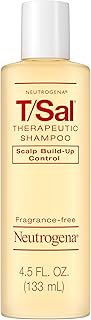
An itchy, flaky scalp can be more than just a nuisance; it can impact your confidence and daily comfort. When over-the-counter shampoos fail to provide relief, many turn to targeted treatments like Nizoral Shampoo or specialized anti-itch liquids. Understanding the difference between these solutions is crucial for effective scalp care. This guide will compare the mechanisms, uses, and ideal scenarios for Nizoral and a potent scalp itch relief liquid containing hydrocortisone, helping you make an informed decision for your specific condition.
Before diving into treatments, it's essential to identify the root cause of your scalp discomfort. Common culprits include fungal overgrowth (like Malassezia, which causes dandruff), inflammatory conditions such as seborrheic dermatitis or psoriasis, dry skin, or allergic reactions. Nizoral Shampoo is specifically formulated to combat fungal causes. Its active ingredient, ketoconazole, is a powerful antifungal agent that reduces the yeast population on the scalp, thereby addressing the source of flaking and associated itch for many users.
In contrast, a product like Scalp Itch Relief Liquid takes a different approach. Its primary weapon is maximum strength hydrocortisone (1%), a topical corticosteroid. This ingredient works by rapidly reducing inflammation, which is the body's response to irritation, allergy, or autoimmune activity seen in conditions like seborrheic dermatitis. It doesn't target a fungus; it calms the immune system's overreaction in the skin, providing swift symptomatic relief from itching, redness, and swelling.
When to Choose Nizoral Shampoo for Your Scalp
Nizoral Shampoo should be your first line of defense when you suspect a fungal issue. Classic signs include white or yellowish flakes (dandruff), an oily scalp, and mild to moderate itch that seems linked to oiliness. It's a maintenance and treatment product meant to be used 2-3 times a week, replacing your regular shampoo during treatment periods. The benefit of Nizoral is its preventative nature; by controlling fungal growth, it helps prevent flare-ups over time. It's a cornerstone of many dandruff treatment regimens.
When to Opt for a Maximum Strength Anti-Itch Liquid
There are times when the itch is so intense, inflammatory, or persistent that a shampoo alone isn't enough. This is where a targeted anti-itch liquid shines. If you experience:
- Severe, relentless itching that disrupts sleep or daily activities.
- Visible redness, inflammation, or plaques on the scalp.
- Conditions diagnosed as seborrheic dermatitis, psoriasis, or contact dermatitis.
- Itch that persists even after using antifungal shampoos.
In these cases, the Scalp Itch Relief Liquid can provide the fast, calming relief you need. The hydrocortisone acts quickly to break the itch-scratch cycle, which can prevent further damage to the scalp. Furthermore, many of these liquids, including the one we're discussing, are formulated as a hydrating scalp treatment, adding moisture to counteract the drying effects of some medicated shampoos or the condition itself.
Can You Use Them Together? A Strategic Approach
For complex scalp conditions, a combination approach is often most effective. A common and doctor-recommended strategy is to use Nizoral Shampoo to address the underlying fungal component and a hydrocortisone liquid to manage acute inflammatory symptoms. For example, you might use the shampoo twice a week as directed. On days when inflammation and itch peak, you could apply the anti-itch liquid directly to affected areas. This dual-action tackles both the cause (fungus) and the symptom (inflammation), offering a more comprehensive itchy scalp solution.
Important Considerations and Safety
While both are available over-the-counter, they are potent medicines. Nizoral Shampoo is generally safe for long-term intermittent use. However, topical corticosteroids like hydrocortisone 1% are intended for short-term use (typically up to 7 days) to treat acute flare-ups. Prolonged use can lead to skin thinning, tolerance, and other side effects. Always read and follow label instructions carefully. If your symptoms do not improve within a week or worsen, consult a dermatologist. They can provide a precise diagnosis and may prescribe stronger formulations or alternative treatments.
Conclusion: Building Your Personalized Scalp Care Routine
Choosing between Nizoral Shampoo and a hydrocortisone-based liquid isn't necessarily about one being better than the other; it's about which is right for your specific problem. For fungal-driven dandruff, Nizoral is a proven and effective choice. For intense, inflammatory itch from conditions like seborrheic dermatitis, the rapid relief from a maximum strength liquid can be transformative. For many, the ultimate solution lies in a smart combination of both, using each product for its intended purpose within a broader scalp health strategy. Listen to your scalp, understand the signals (flakes vs. red plaques), and choose the tool designed to address them.