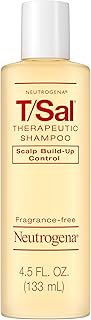
Struggling with persistent flakes, relentless itching, and the frustrating cycle of scalp psoriasis or severe dandruff can feel like a losing battle. You've likely tried countless over-the-counter shampoos, only to be met with temporary relief or no improvement at all. In the search for a truly effective solution, many turn to medicated shampoos, with Nizoral Shampoo being one of the most recognized names on the shelf. But does its 1% ketoconazole formula live up to the hype for treating stubborn scalp conditions like psoriasis? This comprehensive review dives deep into the science, user experiences, and practical application of Nizoral to help you determine if it's the right weapon for your scalp health arsenal.
Understanding the Enemy: Scalp Psoriasis vs. Dandruff
Before evaluating any treatment, it's crucial to understand the condition you're battling. Scalp psoriasis and dandruff (seborrheic dermatitis) often present with similar symptoms—flaking, itching, and redness—but their root causes are different. Scalp psoriasis is an autoimmune condition that causes skin cells to multiply up to ten times faster than normal, leading to a buildup of thick, silvery scales and inflamed plaques. Dandruff, on the other hand, is often linked to an overgrowth of a naturally occurring yeast on the scalp called *Malassezia*, along with factors like oil production and skin sensitivity.
This distinction is key because it influences treatment efficacy. While some treatments target inflammation and cell turnover (common in psoriasis), others, like ketoconazole shampoos, are antifungal, aiming to control the yeast associated with dandruff. However, the inflammation from psoriasis can create an environment where yeast thrives, which is why an antifungal like ketoconazole can sometimes provide relief for psoriasis symptoms as well, making it a versatile option in the medicated shampoo category.
Nizoral Shampoo: The Science Behind 1% Ketoconazole
Nizoral's active ingredient is ketoconazole, a broad-spectrum antifungal agent. At the 1% concentration available over-the-counter, it works by inhibiting the synthesis of ergosterol, a critical component of fungal cell membranes. By disrupting the cell membrane of the *Malassezia* yeast, it helps reduce the population on the scalp, thereby addressing one of the primary contributors to flaking and itching.
For individuals with scalp psoriasis, the benefit is twofold. First, by controlling fungal overgrowth, it can reduce a potential trigger for inflammation and itching. Second, ketoconazole has been shown to have mild anti-inflammatory properties. While it is not a primary treatment for the rapid skin cell growth characteristic of psoriasis, its ability to calm the scalp environment and reduce secondary symptoms makes it a valuable adjunctive therapy. Many users find that incorporating a psoriasis shampoo like Nizoral into their routine helps manage scale buildup and discomfort more effectively than using moisturizing shampoos alone.
Hands-On Review: Using Nizoral for Scalp Psoriasis and Flakes
First Impressions and Application
The shampoo itself has a distinctive, clean, medicinal scent—not unpleasant, but clearly signaling it's a treatment product. The consistency is rich and lathers moderately well, though it's important to note that medicated shampoos often don't lather as abundantly as traditional sulfate-based formulas. The key to effectiveness is contact time. Instructions typically recommend lathering and leaving it on the scalp for 3-5 minutes before rinsing. This allows the ketoconazole to penetrate and work on the scalp's surface.
Results Over Time: A Week-by-Week Breakdown
- Weeks 1-2: Most users report a noticeable reduction in itching within the first few uses. Flaking may begin to decrease, but it can sometimes appear to get slightly worse initially as medicated shampoos loosen and lift existing scales.
- Weeks 3-4: With consistent use (typically 2-3 times per week), flaking should be significantly reduced. The scalp feels less inflamed and irritated. This is where many people experience the major relief they were seeking from their flaky scalp treatment.
- Ongoing Maintenance: Nizoral is not a cure; it's a control. For long-term management, shifting to a once-weekly or bi-weekly maintenance schedule is common to prevent the yeast from returning and symptoms from flaring up again.
Pros and Cons: The Honest Verdict
Pros:
- Clinically Proven Ingredient: Ketoconazole is a well-studied, effective antifungal.
- Effective Itch Relief: Often provides faster relief from itching than many other OTC options.
- Reduces Flaking: Can significantly minimize visible dandruff and psoriasis scales.
- Accessible: Available over-the-counter without a prescription.
Cons:
- Can Be Drying: Like many medicated shampoos, it can strip moisture, potentially leading to dry hair. Following with a good conditioner is essential.
- Not a Standalone Psoriasis Treatment: For moderate to severe scalp psoriasis, it should be part of a regimen that may include topical steroids, tar-based shampoos, or salicylic acid.
- Possible Resistance: With very long-term, constant use, the efficacy can diminish as fungi may develop resistance.
Strategic Use: Integrating Nizoral into Your Scalp Care Routine
To maximize benefits and minimize dryness, a rotational approach is highly recommended. Do not use Nizoral every day. A sample weekly routine might look like this:
- Day 1: Use a gentle, moisturizing cleansing shampoo.
- Day 3: Use Nizoral Shampoo. Lather and leave on for 5 minutes. Follow with a rich, nourishing conditioner, focusing on the mid-lengths and ends of your hair.
- Day 5: Use a shampoo with alternative active ingredients, like salicylic acid (for scale softening) or pyrithione zinc (for broad anti-dandruff action). This rotation helps target the condition from different angles and prevents over-reliance on one ingredient.
For those specifically seeking a convenient, bundled solution for ongoing maintenance, a product like the Psoriasis Shampoo & Conditioner set can be a practical choice. Having a matched conditioner designed to complement a medicated wash helps combat the dryness often associated with these treatments, ensuring your scalp gets the therapy it needs while your hair retains moisture and manageability.
Who Should (and Shouldn't) Use Nizoral Shampoo?
Nizoral is likely a good fit for you if: You have stubborn dandruff that hasn't responded to other OTC shampoos, you experience an itchy, flaky scalp diagnosed as seborrheic dermatitis, or you have mild scalp psoriasis and are looking for an antifungal to add to your rotation for itchy scalp relief.
Consult a dermatologist before use if: You have severe, inflamed, or bleeding plaques of scalp psoriasis, you are pregnant or nursing, or you have a known allergy to ketoconazole. A doctor can provide a precise diagnosis and may prescribe a stronger 2% ketoconazole shampoo or a more targeted scalp psoriasis treatment.
Final Conclusion: Is Nizoral Shampoo Worth It?
As a dedicated dandruff shampoo and a supportive therapy for scalp psoriasis, Nizoral Shampoo holds a solid place in the market. Its 1% ketoconazole formula is a powerful, research-backed tool for controlling the fungal component of many common scalp disorders. For the majority of users with moderate flaking and itching, it can provide significant, noticeable relief.
However, it is not a magic bullet, especially for standalone, severe scalp psoriasis management. Its potential for drying out hair means a thoughtful haircare routine is non-negotiable. Used strategically—in rotation with other shampoos and paired with a good conditioner—Nizoral can be a highly effective component of your long-term scalp health strategy. If your primary struggle is relentless itching and flakiness linked to yeast overgrowth, giving this OTC staple a try for a few weeks could finally bring the relief your scalp deserves.