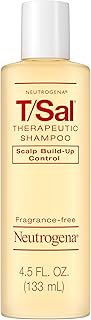
For millions, the telltale white flakes on dark clothing or the persistent, maddening itch on the scalp are a constant source of frustration and self-consciousness. Dandruff and related scalp conditions are incredibly common, affecting nearly half of the adult population at some point. While many over-the-counter shampoos offer temporary relief, they often fail to address the root cause, especially when the issue is fungal in nature. This is where medicated shampoos like Nizoral Shampoo enter the picture. Specifically formulated with 1% ketoconazole, a powerful antifungal agent, this shampoo targets the yeast-like fungus (Malassezia) often responsible for dandruff, seborrheic dermatitis, and other scalp irritations. In this comprehensive review, we'll dive deep into how this anti-dandruff shampoo works, who it's for, and whether its unique peppermint and tea tree scent makes it a standout choice for your haircare routine.
Understanding the Enemy: What Causes Dandruff and Scalp Fungus?
Before evaluating any treatment, it's crucial to understand the problem. Contrary to popular belief, dandruff is rarely caused by dry skin alone. More often, it's linked to an overgrowth of a naturally occurring yeast called Malassezia on the scalp. This fungus feeds on the oils (sebum) produced by your hair follicles. For some individuals, the body reacts to the byproducts of this process, leading to increased skin cell turnover. The result? Those familiar flakes and inflammation, which manifest as itching and redness—a condition often diagnosed as seborrheic dermatitis. Other factors like stress, hormones, and a compromised immune system can exacerbate the issue. Standard cosmetic shampoos may wash away flakes temporarily but do nothing to control the fungal population. This is why a targeted fungal shampoo with an active ingredient like ketoconazole is often necessary for long-term control.
Ketoconazole 1%: The Science Behind the Solution
The star ingredient in this shampoo is ketoconazole, a broad-spectrum antifungal medication. At a 1% concentration, it is available over-the-counter and is clinically proven to be effective against Malassezia. Ketoconazole works by inhibiting the synthesis of ergosterol, a critical component of fungal cell membranes. Without ergosterol, the cell membrane becomes leaky and dysfunctional, ultimately leading to the death of the fungal cells. This action directly reduces the fungal load on the scalp, calming the immune response and slowing down the excessive skin cell shedding that causes flakes. Studies have shown that ketoconazole is not only effective at treating existing symptoms but also at preventing recurrence when used regularly. Its mechanism is fundamentally different from other common anti-dandruff agents like zinc pyrithione (which is anti-fungal and anti-bacterial) or selenium sulfide (which reduces cell turnover), making it a potent option for stubborn, fungus-driven conditions.
A Closer Look at the Formula: More Than Just Medication
While the 1% ketoconazole is the workhorse, the supporting cast in this shampoo's formula deserves attention. The product is infused with a refreshing blend of peppermint and tea tree essential oils. Peppermint oil provides a cooling, tingling sensation that can offer immediate, soothing relief to an itchy scalp. It also has mild antimicrobial properties. Tea tree oil, long celebrated in skincare, is a well-known natural antifungal and antibacterial agent. Its inclusion complements the ketoconazole, providing an additional layer of action against microbes while contributing to the shampoo's invigorating aroma. Importantly, the formula is designed to be gentle and suitable for all hair types, including color-treated hair. It creates a rich lather that cleanses effectively without being overly stripping, which is a common pitfall of many medicated shampoos that can leave hair feeling dry or brittle.
How to Use Nizoral Shampoo for Best Results
Using a medicated shampoo correctly is key to its success. For the Anti-Dandruff Shampoo with 1% Ketoconazole, the standard protocol is to use it twice a week for the first 2-4 weeks to control the initial flare-up. Wet your hair thoroughly, apply a generous amount to your scalp (focusing on the roots where the fungus lives), and massage it in gently. Allow the lather to sit on your scalp for 3-5 minutes. This contact time is critical—it allows the ketoconazole to penetrate and work effectively. Rinse thoroughly. On other days, you can use your regular, non-medicated shampoo. Once symptoms are under control, you can often reduce usage to once every week or two for maintenance and prevention. It's not typically intended for daily use as a primary cleanser.
What to Expect: The User Experience
Users generally report a positive sensory experience with this shampoo. The peppermint and tea tree scent is clean, medicinal, and refreshing without being overpowering. The cooling sensation upon application is frequently mentioned as a pleasant benefit that alleviates itchiness almost instantly. In terms of results, most users notice a significant reduction in flaking and itching within 2-3 uses. Full control of symptoms often takes a few weeks of consistent application. Hair texture post-wash is usually described as clean and manageable. Some users with very dry hair may wish to follow with a conditioner on the mid-lengths and ends, as the primary focus of the shampoo is the scalp.
Who Should Use This Shampoo? Ideal Candidates and Considerations
This shampoo is an excellent choice for individuals who have not found success with standard dandruff shampoos containing pyrithione zinc or selenium sulfide. It's particularly indicated for:
- Those with persistent, flaky dandruff.
- Individuals diagnosed with or showing symptoms of seborrheic dermatitis of the scalp (red, greasy skin covered with flaky white or yellow scales).
- People experiencing scalp itchiness and irritation with visible flakes.
- Anyone looking for a preventative maintenance shampoo to keep fungal-related scalp issues at bay.
As with any medicated product, a patch test is recommended if you have sensitive skin. While it is safe for all hair types, those with extremely dry or chemically processed hair should monitor their hair's condition and may need to adjust conditioning routines. It is always advisable to consult with a dermatologist for a proper diagnosis if your scalp condition is severe, painful, or does not improve with OTC treatments.
Comparing Nizoral to Other Anti-Dandruff Solutions
The landscape of anti-dandruff shampoos is crowded. How does a ketoconazole-based shampoo like this one stack up?
- Vs. Pyrithione Zinc Shampoos: Zinc is effective for mild to moderate dandruff and has anti-fungal/anti-bacterial properties. Ketoconazole is often considered stronger and more targeted for fungal overgrowth, making it better for stubborn cases.
- Vs. Selenium Sulfide Shampoos: Selenium sulfide works by slowing skin cell death and has anti-fungal properties. It can be harsh on hair and may discolor light-colored hair. Ketoconazole is generally gentler on the hair shaft while being potent on the scalp.
- Vs. Coal Tar Shampoos: Coal tar slows cell turnover and reduces itching and scaling but has a strong odor and can increase sun sensitivity. Ketoconazole offers a more pleasant user experience with its refreshing scent.
- Vs. Natural/Tea Tree Oil Shampoos: While tea tree oil has antifungal benefits, its concentration in cosmetic shampoos is often too low to match the clinical efficacy of 1% ketoconazole. This product combines both for a synergistic effect.
The inclusion of 1% ketoconazole places this shampoo in a powerful category of OTC treatments that bridge the gap between cosmetic products and prescription-strength solutions.
Long-Term Maintenance and Scalp Health
Successfully managing dandruff or seborrheic dermatitis is often a long-term commitment. The goal of using a product like this ketoconazole shampoo is to first gain control and then establish a maintenance routine to prevent recurrence. Once your scalp is clear, using the shampoo once every 1-2 weeks can be sufficient for most people to keep the Malassezia population in check. This preventative approach is more effective than waiting for a full flare-up to occur again. Pairing this treatment with good general scalp care—such as avoiding overly hot water, reducing stress, and maintaining a balanced diet—can contribute to overall scalp health. Remember, a healthy scalp is the foundation for healthy hair growth.
Final Verdict: Is This Ketoconazole Shampoo Worth It?
For anyone battling persistent, itchy dandruff that hasn't responded to other treatments, the Nizoral Shampoo with 1% ketoconazole is a compelling and highly effective solution. Its clinical-strength active ingredient directly targets the fungal cause of many scalp issues, while the peppermint and tea tree oil infusion provides immediate soothing relief and a refreshing cleanse. The formula is well-considered for all hair types and is easy to integrate into a weekly haircare routine. While no product is a universal cure, the evidence supporting ketoconazole's efficacy is strong, and this particular formulation delivers it in a user-friendly package. If you're ready to move beyond temporary fixes and address the root of your scalp problems, this scalp treatment shampoo is undoubtedly worth a try.