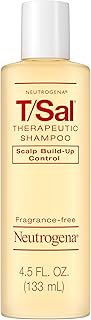
If you've ever battled persistent dandruff, an itchy scalp, or flaky skin that just won't quit, you're not alone. Millions seek relief, often cycling through countless products. Among the most recommended solutions by dermatologists is a shampoo containing ketoconazole, an antifungal agent. But does it live up to the hype? This deep dive explores the science, application, and real-world effectiveness of ketoconazole-based treatments like Anti-Dandruff Shampoo with 1% Ketoconazole, helping you separate fact from fiction in your quest for a clear, comfortable scalp.
Understanding the Root Cause: It's More Than Just Dry Skin
A common misconception is that dandruff is solely caused by a dry scalp. In reality, a primary culprit is a naturally occurring yeast called Malassezia. This microbe feeds on the oils (sebum) on your scalp. For many people, this is a harmless relationship. However, in some individuals, the body reacts to the byproducts of this yeast, leading to inflammation. This reaction accelerates skin cell turnover, causing the dead cells to clump together and shed as the visible, often embarrassing, white flakes we know as dandruff. This condition can escalate into seborrheic dermatitis, presenting with red, greasy skin covered with flaky white or yellow scales.
How Ketoconazole Targets the Problem
This is where ketoconazole shines. Unlike many over-the-counter shampoos that focus on loosening flakes or soothing itch temporarily, ketoconazole is an antifungal medication. It works at the source by inhibiting the growth of the Malassezia yeast. By reducing the yeast population on the scalp, it directly addresses one of the fundamental triggers for inflammation and excessive flaking. The 1% concentration, available in products like the Fresh Scent 7 Fl Oz formula, is clinically proven to be effective for treating dandruff and seborrheic dermatitis. It's not just a cosmetic cover-up; it's a targeted treatment.
The Nizoral Shampoo Protocol: Using It Correctly for Best Results
To get the most out of a ketoconazole shampoo, technique matters. Simply using it like your regular shampoo may not yield optimal results. For the initial treatment phase, most dermatologists recommend using it twice a week for 2-4 weeks. Wet your hair thoroughly, apply a sufficient amount to your scalp (focusing on the roots, not just the hair lengths), and massage it in gently. Let the lather sit on your scalp for 3-5 minutes. This contact time is crucial—it allows the active ingredient to penetrate and work effectively. Rinse thoroughly. Once symptoms are under control, you can often reduce usage to once a week or once every other week for maintenance, preventing recurrence.
Common Mistakes and How to Avoid Them
Many users don't see results because of simple errors. First, impatience is a major factor. This is a treatment, not a miracle cure. It can take several weeks of consistent use to see a significant reduction in flakes and itch. Second, incorrect application—rinsing too quickly or not applying directly to the scalp—limits efficacy. Third, overuse can sometimes lead to scalp irritation or make hair feel dry. Follow the recommended frequency. Finally, expecting it to work on non-fungal issues. If your flaking is due to psoriasis, extreme dryness, or a product allergy, a different scalp treatment approach may be needed.
Integrating into Your Hair Care Routine
A ketoconazole shampoo can be drying for some hair types. To counteract this, consider using a moisturizing conditioner, focusing it on the mid-lengths and ends of your hair, not the scalp. On days you don't use the medicated shampoo, you can use your regular, gentle shampoo. For those with color-treated hair, it's generally considered safe, but doing a strand test first is wise. The fresh scent formulation of many modern versions helps make the treatment feel more like a regular part of your routine, rather than a clinical chore.
When to See a Dermatologist
While an over-the-counter 1% ketoconazole shampoo like Nizoral is a powerful first line of defense, it's not a cure-all. If you've used it consistently for a month with no improvement, if your scalp is extremely red, painful, or weeping, or if you're experiencing significant hair loss alongside flaking, it's time to consult a professional. A dermatologist can provide a precise diagnosis (confirming it's seborrheic dermatitis and not another condition) and may prescribe a stronger 2% ketoconazole shampoo or other medications like topical corticosteroids.
The Verdict on Ketoconazole for Scalp Health
For the vast majority of people suffering from stubborn dandruff and itchy scalp caused by Malassezia yeast, a 1% ketoconazole shampoo is a highly effective, scientifically-backed solution. It goes beyond symptom management to address a root cause. Products formulated for this purpose, such as the Anti-Dandruff Shampoo with 1% Ketoconazole, offer a practical and accessible path to relief. By understanding how it works, using it correctly, and having realistic expectations, you can finally achieve the flaky scalp-free, comfortable head of hair you deserve. Remember, consistency is key, and when in doubt, seek expert advice to ensure you're on the right track for your specific dandruff treatment needs.