For millions struggling with persistent scalp conditions like psoriasis, dandruff, and seborrheic dermatitis, finding an effective treatment can feel like an endless battle. Among the various medicated shampoos available, one name consistently stands out for its clinically proven efficacy: Nizoral Shampoo. This guide delves deep into how Nizoral, with its active ingredient ketoconazole, works to combat stubborn scalp issues, providing relief from itching, flaking, and inflammation. Whether you're considering your first medicated shampoo or looking to understand why Nizoral is often recommended by dermatologists, this comprehensive overview will equip you with the knowledge needed to make an informed decision for your scalp health.
Scalp psoriasis is more than just a cosmetic concern; it's a chronic autoimmune condition that causes rapid skin cell buildup, leading to thick, silvery scales and itchy, dry patches. The constant cycle of flaking and itching can significantly impact quality of life. While there's no cure, effective management is possible with the right topical treatments. This is where specialized formulations like our Psoriasis Shampoo & Conditioner come into play, designed specifically to soothe and treat the scalp. Understanding the mechanism of action for ingredients like ketoconazole is key to selecting the right product for your needs.
What is Nizoral Shampoo and How Does It Work?
Nizoral Shampoo is an antifungal medication containing 1% ketoconazole as its active ingredient. Unlike regular shampoos that merely cleanse, Nizoral targets the root cause of many scalp issues: an overgrowth of the Malassezia yeast. This yeast is naturally present on everyone's scalp, but in some individuals, it can proliferate excessively, leading to inflammation, increased skin cell turnover, and the characteristic flakes and itch of conditions like dandruff and seborrheic dermatitis. Ketoconazole works by inhibiting the synthesis of ergosterol, a vital component of fungal cell membranes, effectively controlling the yeast population and reducing the inflammatory response it triggers.
The Science Behind Ketoconazole for Scalp Health
Ketoconazole belongs to a class of drugs known as azole antifungals. Its effectiveness for scalp conditions is well-documented in numerous clinical studies. Research shows that regular use can significantly reduce scaling, itching, and erythema (redness). For individuals with scalp psoriasis, while the primary driver is autoimmune, the secondary fungal overgrowth can exacerbate symptoms. Using a ketoconazole shampoo helps manage this contributing factor, leading to clearer, calmer skin. Its anti-inflammatory properties also help soothe the irritated scalp, making it a dual-action treatment.
Key Benefits of Using Nizoral for Scalp Conditions
The primary benefit of incorporating Nizoral into your hair care routine is its targeted, medicinal action. Here are the key advantages users experience:
- Effective Flake Control: It directly addresses the fungal cause of flaking, providing longer-lasting relief compared to cosmetic dandruff shampoos.
- Itch Relief: By reducing inflammation and yeast overgrowth, it alleviates the persistent itching associated with scalp psoriasis and dandruff.
- Reduces Scalp Redness: Its anti-inflammatory effect helps calm the visible redness and irritation.
- Prevents Recurrence: When used as a maintenance treatment, it can help prevent the return of severe symptoms.
- Gentle on Hair: Despite its medicinal strength, it is formulated to be gentle and is safe for color-treated or chemically processed hair when used as directed.
How to Use Nizoral Shampoo for Best Results
To maximize the benefits of Nizoral, proper application is crucial. It is not a daily shampoo. For the best results, wet your hair thoroughly and apply a sufficient amount to work into a lather on your scalp. Massage it gently into the scalp, ensuring coverage of all affected areas. Leave the lather on your scalp for 3-5 minutes before rinsing thoroughly. This contact time is essential for the ketoconazole to penetrate and work effectively. Initially, use it twice a week for 2-4 weeks to control the active flare-up. For ongoing maintenance and to prevent recurrence, reduce usage to once every 1-2 weeks. Always follow the instructions on the product label or those given by your healthcare provider.
Nizoral vs. Other Medicated Shampoos: A Comparative Analysis
The landscape of medicated shampoos includes various active ingredients, each with a different mechanism. Here’s how Nizoral (ketoconazole) compares:
- vs. Pyrithione Zinc (Head & Shoulders): Zinc pyrithione is primarily antifungal and antibacterial. Ketoconazole is often considered stronger and more specifically targeted for stubborn, persistent fungal-related dandruff and seborrheic dermatitis.
- vs. Selenium Sulfide (Selsun Blue): Selenium sulfide slows skin cell death and reduces fungus. It can be very effective but is sometimes harsher on hair and may not be suitable for color-treated hair. Ketoconazole is generally better tolerated for long-term maintenance.
- vs. Coal Tar (Neutrogena T/Gel): Coal tar slows skin cell growth and reduces scaling and itching. It has a strong odor and can stain. Ketoconazole offers a more pleasant user experience while effectively targeting the fungal component often present with psoriasis.
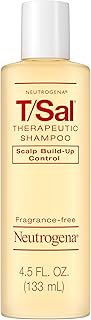
- vs. Salicylic Acid (T/Sal): Salicylic acid is a keratolytic that helps lift and remove scales. It's excellent for debriding thick plaques but doesn't target fungus. Many users benefit from alternating between a scale-remover like salicylic acid and an antifungal like ketoconazole.
For a comprehensive treatment approach that combines cleansing, medicated action, and conditioning, a dedicated product like an effective scalp psoriasis treatment shampoo and conditioner can be an ideal solution, integrating multiple beneficial actions in one step.
Who Should Consider Using Nizoral Shampoo?
Nizoral is suitable for adults and children over 12 years of age who are dealing with:
- Persistent dandruff (seborrheic dermatitis) that doesn't respond to over-the-counter dandruff shampoos.
- Itchy, flaky scalp associated with psoriasis.
- Conditions where a dermatologist has identified Malassezia yeast as a contributing factor.
- Those seeking a maintenance treatment to prevent flare-ups.
It is always recommended to consult with a doctor or dermatologist for a proper diagnosis, especially if symptoms are severe, if the scalp is bleeding, or if you are unsure of the cause of your scalp issues. They can confirm whether a flaky scalp treatment like ketoconazole is right for you.
Potential Side Effects and Precautions
Nizoral Shampoo is generally well-tolerated. However, as with any medicated product, some users may experience side effects, which are typically mild and temporary. These can include abnormal hair texture, dryness, or irritation of the scalp. In rare cases, individuals may be allergic to ketoconazole or other ingredients. Discontinue use and consult a doctor if you experience severe itching, rash, or swelling. It is for external use only and should not be ingested. Avoid contact with eyes; if contact occurs, rinse thoroughly with water. If you are pregnant, breastfeeding, or have any underlying health conditions, speak with your healthcare provider before starting use.
Integrating Nizoral into Your Overall Scalp Care Routine
For holistic scalp health, medication is just one piece of the puzzle. Consider these complementary practices:
- Gentle Cleansing: On days you don't use Nizoral, use a mild, fragrance-free shampoo to avoid further irritation.
- Moisturize: Scalp psoriasis and dandruff often involve dryness. Using a light, non-comedogenic scalp oil or serum on off days can help maintain moisture balance.
- Avoid Triggers: Stress, harsh hair products, and extreme weather can worsen symptoms. Identifying and managing your personal triggers is key.
- Healthy Diet: Some evidence suggests a diet rich in anti-inflammatory foods (omega-3s, antioxidants) may support skin health.
For those seeking targeted relief from persistent itch, pairing a medicated wash with a dedicated itchy scalp relief product can provide synergistic benefits.
Conclusion: Is Nizoral Shampoo Right for You?
Nizoral Shampoo remains a cornerstone in the management of fungal-related scalp conditions due to its proven efficacy, targeted action, and good safety profile. Its ability to control the Malassezia yeast makes it a powerful tool against dandruff and a valuable adjunct therapy for scalp psoriasis. While it may not be a standalone cure for psoriasis itself, its role in managing secondary symptoms and improving overall scalp comfort is significant. If you have been struggling with over-the-counter options without success, consulting a dermatologist about incorporating ketoconazole into your regimen could be a transformative step. Remember, consistency and proper usage are vital to seeing the full benefits of this effective psoriasis shampoo and treatment.