For millions struggling with persistent dandruff, an itchy scalp, or flaking that doesn't respond to regular shampoos, the search for an effective solution can feel endless. Over-the-counter options often provide temporary relief, leaving the root cause unaddressed. This is where medicated shampoos, specifically those containing the active ingredient ketoconazole, enter the picture. In this comprehensive review, we delve deep into one of the most recognized names in this category: Anti-Dandruff Shampoo with 1% Ketoconazole. Often referred to by its brand name, Nizoral Shampoo, this treatment has garnered a reputation for its clinical strength. We'll explore how it works, who it's for, its benefits, and what real users have to say, helping you decide if it's the right dandruff treatment for your needs.
Understanding the Enemy: What Causes Dandruff and Scalp Issues?
Before evaluating any treatment, it's crucial to understand the problem. Dandruff, medically known as pityriasis capitis, is often more than just dry skin. The most common cause is a yeast-like fungus called Malassezia globosa that lives on everyone's scalp. For some individuals, this fungus feeds on scalp oils (sebum) and produces oleic acid as a byproduct. If you are sensitive to oleic acid, your scalp may react with irritation, increased skin cell turnover, and flaking—the visible signs of dandruff. Other conditions like seborrheic dermatitis (a more severe, inflammatory form) and scalp psoriasis also present with flaking and itching, making an accurate diagnosis important. This is where a targeted medicated shampoo differs from cosmetic ones; it aims to control the underlying microbial factor.
How Does Ketoconazole Shampoo Work?
Ketoconazole is a broad-spectrum antifungal agent. In the context of a shampoo, its primary mechanism is to reduce the population of the Malassezia fungus on the scalp. By controlling this primary trigger, ketoconazole helps to:
- Reduce Flaking: With less fungal activity and subsequent irritation, the rate of skin cell shedding normalizes, leading to a significant reduction in visible flakes.
- Relieve Itching: By calming the inflammatory response caused by fungal byproducts, the intense itch associated with dandruff and seborrheic dermatitis subsides.
- Improve Scalp Health: A balanced scalp microbiome allows for healthier skin barrier function.
The 1% concentration available over-the-counter (like in the product we're reviewing) is clinically proven to be effective for treating dandruff and seborrheic dermatitis. It's important to note that this ketoconazole shampoo is not a moisturizer; it's an antifungal treatment. Any improvement in scalp dryness is a secondary benefit of reducing inflammation.
In-Depth Review: Anti-Dandruff Shampoo with 1% Ketoconazole, Fresh Scent
First Impressions and Formula
The shampoo comes in a distinctive orange bottle with clear labeling highlighting its 1% ketoconazole formula. The "Fresh Scent" is a notable upgrade from older, more medicinal-smelling antidandruff shampoos. It has a clean, slightly citrusy fragrance that rinses away without leaving a strong odor on the hair—a significant plus for daily wear. The consistency is a rich, opaque orange color with a creamy lather. A little goes a long way, which is excellent given that this is often used as a treatment rather than a daily cleanser.
Usage Instructions and Regimen
For best results, the directions recommend using the shampoo twice a week for the first 2-4 weeks to control symptoms, then reducing frequency to once every 1-2 weeks to prevent recurrence. It's designed to be left on the scalp for 3-5 minutes before rinsing thoroughly. This contact time is critical for the ketoconazole to work effectively. We advise using a gentle, sulfate-free conditioner on the ends of your hair afterward, as the treatment can be slightly drying. Consistency is key; stopping use once symptoms disappear often leads to a quick relapse, as the Malassezia population can rebound.
Observed Benefits and Effectiveness
Based on aggregated user experiences and clinical data, here are the key benefits users report:
- Rapid Flake Reduction: Most users notice a dramatic decrease in visible flakes within the first 2-3 uses.
- Long-Lasting Itch Relief: The soothing effect on an itchy scalp is often cited as its most appreciated benefit, providing relief that lasts for days.
- Prevention of Recurrence: When used as a maintenance treatment, it effectively keeps dandruff at bay, unlike cosmetic shampoos that only manage symptoms wash-to-wash.
- Addresses Seborrheic Dermatitis: For those with red, greasy, and inflamed patches (seborrheic dermatitis), this shampoo can be a cornerstone of management.
It's a powerful tool for flaky scalp relief. However, it's not a miracle cure for all scalp conditions. It is less effective for issues purely related to dry skin or psoriasis, where ingredients like salicylic acid or coal tar may be more appropriate.
Potential Drawbacks and Considerations
No product is perfect for everyone. Potential considerations include:
- Drying Effect: Some users with dry or color-treated hair find it can be drying. Always follow with conditioner.
- Not for Daily Use: It is a treatment shampoo. Using it daily is unnecessary and may exacerbate dryness.
- Allergic Reactions: While rare, some may be sensitive to ketoconazole or other ingredients. A patch test is recommended.
- Requires Patience: While itching may subside quickly, it can take several weeks of consistent use for the scalp to fully normalize.
Nizoral Shampoo vs. Other Dandruff Treatments
How does this ketoconazole-based option stack up against other common active ingredients?
- vs. Pyrithione Zinc (Head & Shoulders): Zinc is a great first-line defense for mild dandruff. Ketoconazole 1% is generally considered stronger and more effective for moderate to severe or persistent dandruff and seborrheic dermatitis.
- vs. Selenium Sulfide (Selsun Blue): Selenium sulfide is also very effective but can be harsher, with a stronger odor, and may discolor blonde or gray hair. Nizoral is often better tolerated.
- vs. Coal Tar: Coal tar is excellent for slowing skin cell turnover (good for psoriasis and severe dandruff) but is messy, can stain, and has a very strong odor. Ketoconazole offers a more user-friendly experience.
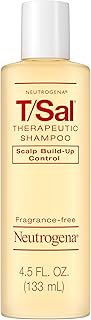
- vs. Salicylic Acid (Neutrogena T/Sal): Salicylic acid is a keratolytic that helps lift scales but doesn't target fungus. It's often used in conjunction with antifungal shampoos like ketoconazole.
For many, the 1% ketoconazole formula strikes an ideal balance of strength, tolerability, and cosmetic appeal, making it a top choice for a scalp treatment.
Who Should Use This Shampoo? Ideal User Profile
This shampoo is particularly well-suited for individuals who:
- Have tried over-the-counter dandruff shampoos (zinc, selenium sulfide) without satisfactory results.
- Experience dandruff accompanied by significant itching, redness, or inflammation.
- Have been diagnosed with or suspect they have seborrheic dermatitis of the scalp.
- Are looking for a preventative treatment to use intermittently to keep symptoms from returning.
- Value a formula with a pleasant, fresh scent as part of their hair care routine.
If your dandruff is very mild or related purely to dry skin (small, white, non-greasy flakes), a good moisturizing shampoo and conditioner might suffice. However, for the classic signs of fungal-related dandruff—greasy, yellowish flakes on an itchy, sometimes red scalp—this anti-dandruff shampoo is a strong contender.
Pro Tips for Maximum Efficacy
To get the most out of your ketoconazole shampoo, follow these expert tips:
- Wet Hair Thoroughly: Apply to thoroughly wet hair to help distribute it evenly across the scalp.
- Focus on the Scalp: Massage the lather directly into the scalp, not just the hair. The scalp is the treatment area.
- Time It: Set a timer for 3-5 minutes. Use this time to wash your body or shave. Don't rinse immediately.
- Rotate if Needed: For very stubborn cases, some dermatologists recommend rotating with a shampoo containing a different active ingredient (like salicylic acid one week, ketoconazole the next) to prevent the fungus from developing resistance.
- Maintain: Don't stop completely after symptoms clear. Find your personal maintenance frequency (e.g., once a week or every other week) to prevent relapse.
Final Verdict: Is It Worth It?
The Anti-Dandruff Shampoo with 1% Ketoconazole, Fresh Scent stands out as a highly effective, clinically-backed treatment for fungal-related dandruff and seborrheic dermatitis. Its strengths lie in its potent antifungal action, noticeable and rapid relief from itching and flaking, and its more cosmetically elegant formula compared to older medicated shampoos. The pack of 3 offers good value for a maintenance regimen.
While it may be drying for some and is not intended for daily cosmetic use, its benefits for the target audience are significant. If you've been battling persistent, itchy dandruff that regular shampoos can't conquer, this 1% ketoconazole treatment, widely recognized as Nizoral Shampoo, is undoubtedly worth incorporating into your hair care arsenal. It provides the therapeutic power needed to control the condition while offering a user-friendly experience with its fresh scent. For lasting flaky scalp relief, it remains a gold-standard recommendation from dermatologists and satisfied users alike.