For millions, the simple act of travel—be it a car ride, a flight, or a boat trip—is overshadowed by the dreaded symptoms of motion sickness. Nausea, dizziness, cold sweats, and fatigue can turn an exciting journey into a miserable ordeal. While traditional remedies like pills or acupressure bands have their place, a novel and intriguing solution has emerged: motion sickness glasses. This comprehensive guide delves into the science behind these innovative devices, explores their effectiveness, and helps you determine if they are the right tool to reclaim your comfort on the move.
What Are Motion Sickness Glasses and How Do They Work?
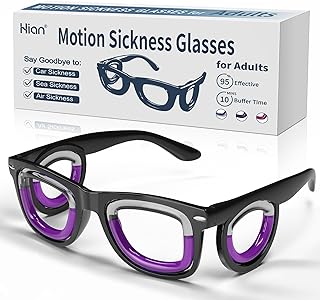
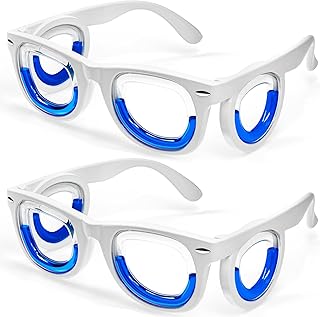
Unlike traditional eyewear, motion sickness glasses are a non-invasive, drug-free aid designed to combat the sensory conflict that causes nausea. They typically feature a unique frame with no traditional lenses. Instead, they have hollow rings or tubes attached to the front, each containing a colored liquid (often blue). The core principle is based on a concept called the Pulfrich effect, a visual illusion related to depth perception.
The theory is this: When you're in motion (like in a car), your inner ear senses movement, but your eyes, focused on a stationary object inside the vehicle (like a book or phone), send a conflicting 'still' signal to your brain. This mismatch is the primary trigger for motion sickness. The liquid-filled rings in car sickness glasses create a stable, artificial horizon line. As you move, the liquid sloshes gently within the rings, providing your eyes with a consistent visual cue of motion that aligns with what your inner ear is feeling. This realigns the sensory input, theoretically reducing or eliminating the conflict that causes nausea.
Key Features and Benefits of Modern Anti-Nausea Glasses
Today's anti-nausea glasses are designed with user experience in mind. A popular model, like the Portable Anti Nausea Car Sick Glasses, showcases the evolution of this technology. Key benefits include:
- Drug-Free Relief: No drowsiness, dry mouth, or other side effects associated with medications.
- Portable and Reusable: They are lightweight, often foldable, and require no batteries or charging, making them a perfect portable motion sickness aid for any travel bag.
- Universal Fit: Designed with adjustable features to fit both adults and children, addressing kids' motion sickness effectively.
- Multi-Scenario Use: Effective for carsickness, seasickness (seasickness glasses), and airsickness (airsickness relief).
- Immediate Application: Can be worn at the first sign of discomfort, unlike some medications that need to be taken in advance.
Do Motion Sickness Glasses Really Work? Examining the Evidence
The million-dollar question for any traveler is: do they actually work? Anecdotal evidence and user reviews are largely positive, with many reporting significant relief, especially for mild to moderate motion sickness. The concept is grounded in established visual science, which lends it credibility.
However, it's important to manage expectations. Scientific studies are ongoing, and results can vary from person to person. Their effectiveness may depend on the severity of your condition and the specific cause of your sensory mismatch. They are generally considered most effective when used proactively, at the earliest signs of nausea, rather than when symptoms are full-blown. For many, they serve as an excellent complementary tool or a primary solution for those who cannot or prefer not to use medication.
Who Can Benefit Most from Using These Glasses?
Motion sickness glasses are not a one-size-fits-all miracle cure, but they are a fantastic option for specific groups:
- Frequent Travelers: Commuters, road-trippers, and flyers who experience regular discomfort.
- Children: Kids who are too young for medication or who dislike taking pills can benefit greatly from this visual, game-like device.
- Pregnant Women: A safe, drug-free option during pregnancy when many medications are contraindicated.
- Adventurers: Boaters, cruise-goers, and off-road enthusiasts seeking travel sickness relief.
- Those Sensitive to Medication: Individuals who experience unpleasant side effects from anti-nausea drugs.
Practical Tips for Using Your Motion Sickness Glasses Effectively
To get the best results from your car sickness glasses, follow these practical tips:
- Wear Them Early: Put them on at the very start of your journey or at the first hint of nausea. Prevention is key.
- Keep Your Head Up: Look forward through the rings toward the horizon. Avoid looking down at phones or books while wearing them.
- Ensure a Proper Fit: Adjust the nose pads and arms so they are comfortable and secure without being too tight.
- Be Patient: It may take 5-10 minutes for your brain to adjust to the new visual input and for symptoms to subside.
- Combine Strategies: For severe cases, consider using them alongside other methods like choosing a front seat, getting fresh air, or eating light, bland snacks before traveling.
Conclusion: A Promising Tool for Travel Comfort
Motion sickness can be a significant barrier to enjoying life's journeys. While not a guaranteed solution for everyone, motion sickness glasses represent a clever, safe, and accessible approach to managing this common problem. By addressing the root cause—sensory conflict—they offer a unique form of travel sickness relief. If you're tired of relying on pills or simply want to try a new method, a pair of anti-nausea glasses could be the key to turning your next trip from a nauseating experience into a pleasant adventure. Their portability and drug-free design make them a worthwhile addition to any traveler's toolkit.