As a parent, watching your child suffer from motion sickness during a family road trip or a ferry ride can be heartbreaking. The pale face, the dizziness, and the inevitable nausea can turn what should be a joyful adventure into a stressful ordeal. For years, parents have relied on solutions like acupressure wristbands to provide drug-free relief. However, a new contender has entered the arena: Motion Sickness Glasses. This innovative technology promises a different approach to combating travel-induced nausea. In this comprehensive comparison, we'll delve into how these two popular solutions work, their effectiveness for children, and help you decide which might be the better choice for your little traveler's needs.
Understanding the Battle: How Do They Work?
The fundamental difference between these two solutions lies in their mechanism of action. Acupressure wristbands, like our popular kids' motion sickness bands, operate on a centuries-old principle. They apply gentle, continuous pressure to the Nei-Kuan (P6) acupressure point on the inner wrist. This point is believed in traditional Chinese medicine to be connected to the stomach and spleen meridians, helping to regulate digestive function and alleviate nausea signals sent to the brain. It's a purely physical, drug-free intervention that many families swear by for travel sickness relief.
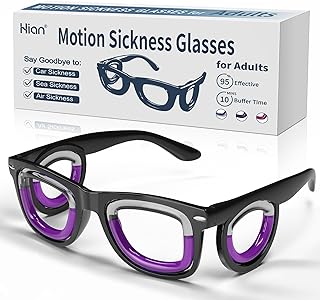
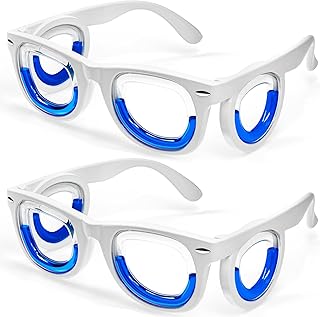
In contrast, Motion Sickness Glasses tackle the problem at its perceived root cause: sensory conflict. Motion sickness often occurs when your eyes perceive a stable environment (like the interior of a car), but your inner ear senses movement. This mismatch confuses the brain, leading to nausea. These specialized glasses feature a unique frame with liquid-filled rims. As the wearer moves, the liquid creates an artificial horizon within the peripheral vision. This visual cue helps realign the sensory information from the eyes with the motion signals from the inner ear, theoretically preventing the conflict that triggers sickness. It's a high-tech, visual solution to a neurological problem.
Effectiveness for Kids: A Parent's Practical Guide
Comfort and Ease of Use
When it comes to children, comfort is king. A solution that causes fuss or discomfort will be rejected quickly. Kids' motion sickness bands are typically simple elastic bands with a plastic stud. They are lightweight, unobtrusive, and can be worn discreetly under a sleeve. Most children adapt to them quickly after a brief explanation. The primary challenge can be ensuring they are positioned correctly on the acupressure point.
Motion Sickness Glasses, on the other hand, are a more conspicuous wearable. They look like quirky, frameless glasses. While they are generally lightweight, some children might be sensitive to the feeling of the frame on their face or find the liquid bubble in their peripheral vision initially distracting. Their effectiveness is also dependent on the child keeping them on, which can be a hurdle for younger or more active kids who might view them as a toy or an annoyance.
Speed and Duration of Relief
Acupressure bands are designed for prevention. The general advice is to put them on before the journey begins, allowing the pressure to stimulate the point proactively. Many users report that relief is felt within 10-20 minutes of application. They are intended for continuous wear throughout the travel period, providing ongoing sea sickness relief or comfort during long car rides.
The glasses are often marketed as providing relief within 5-12 minutes of putting them on, even after symptoms have started. They are typically worn for a shorter, targeted duration until symptoms subside, rather than for the entire journey. This "on-demand" aspect can be appealing if your child's sickness comes in waves rather than being constant.
Scenario-Based Recommendations: Which to Choose?
Your choice may depend heavily on your child's specific triggers and your family's travel style.
Choose Acupressure Wristbands (like our Kids' Bands) if:
- Your child suffers from predictable, journey-long nausea on cars, boats, or planes.
- You prefer a set-and-forget, discreet solution that works passively.
- Your child is very young or resistant to wearing items on their face.
- You are looking for a budget-friendly, reusable option with no batteries or moving parts.
- You need reliable car sickness prevention for daily school runs or frequent short trips.
Consider Motion Sickness Glasses if:
- Your child's nausea is triggered by specific, intense activities like reading in the car or looking down at a tablet.
- You want a solution that can potentially interrupt nausea after it has begun.
- Your child doesn't mind wearing glasses and is curious about novel tech.
- You travel infrequently but on modes of transport known to cause severe sickness (e.g., small boats).
Safety, Side Effects, and Long-Term Use
Both options are generally considered safe and non-invasive. Acupressure wristbands have an excellent long-term safety profile. The most common issue is minor skin irritation or redness from the plastic stud, which usually resolves quickly after removal. They contain no drugs, have no age restrictions, and pose no risk of drowsiness or interaction with medications.
Motion Sickness Glasses are also drug-free. Potential side effects are rare but could include initial dizziness or eye strain as the brain adjusts to the artificial horizon. It's crucial to ensure the glasses fit properly to avoid pressure points. As with any plastic product, checking for material integrity is wise for long-term use.
The Verdict: A Complementary Arsenal, Not a Competition
Rather than viewing these as competing products, savvy parents might see them as tools for different jobs in the travel sickness relief toolkit. For consistent, all-journey prevention, the simplicity and proven track record of acupressure bands for kids are hard to beat. They are a reliable first line of defense.
For tackling acute episodes or sickness triggered by focused visual tasks, Motion Sickness Glasses offer a fascinating and technologically advanced alternative. They represent a different philosophy in tackling the sensory mismatch problem.
Our final recommendation? If you are new to managing your child's motion sickness, start with the accessible and widely trusted acupressure bands. They are a low-risk, cost-effective entry point. If you find certain situations still cause breakthrough nausea, then exploring the innovative approach of motion sickness glasses could be a worthwhile next step. Every child is different, and finding the right relief might involve understanding the unique nature of their discomfort, whether it's best soothed by the gentle pressure of a wristband or the visual recalibration of a pair of smart glasses.