For millions of travelers, the excitement of a journey is often dampened by the debilitating symptoms of motion sickness. Nausea, dizziness, and cold sweats can turn a scenic drive or a relaxing cruise into a miserable experience. In the quest for relief, two popular non-medical solutions have emerged: innovative Motion Sickness Glasses and traditional acupressure wristbands. This comprehensive guide will compare these two technologies, helping you decide which is the best fit for your travel needs, whether you're prone to car sickness, sea sickness, or flying nausea.
Understanding the root cause of motion sickness is the first step to finding an effective solution. It occurs when there's a disconnect between what your eyes see and what your inner ear (vestibular system) senses. For example, reading a book in a moving car tells your brain you're stationary, while your inner ear detects motion. This sensory conflict triggers the body's nausea response. Both glasses and bands aim to resolve this conflict, but they do so through fundamentally different mechanisms.
How Motion Sickness Glasses Work: A Technological Approach
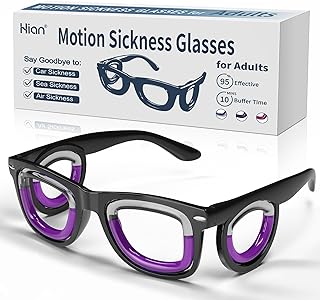
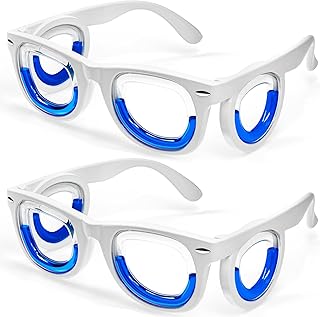
Motion Sickness Glasses, such as those offered by brands like Hion, represent a modern technological solution. They typically feature a frame with no traditional lenses but instead have liquid-filled rings in the eyepieces. As you move, the liquid inside these rings moves independently, creating an artificial horizon line within your peripheral vision. This visual cue helps realign the sensory mismatch between your eyes and inner ear, effectively 'tricking' your brain into perceiving stability. Many users report relief within 10-20 minutes of wearing them, making them a popular choice for those seeking a drug-free, reusable option.
The Science of Acupressure: How Wristbands Like LYJEE Offer Relief
On the other side of the spectrum are acupressure wristbands, a method rooted in traditional Chinese medicine. Products like the LYJEE 5 Pairs Motion Sickness Bands apply gentle, constant pressure to the Nei-Kuan (P6) acupressure point on the underside of the wrist. This point is believed to be connected to the stomach and spleen meridians, and stimulating it is thought to regulate energy flow (Qi) and alleviate nausea. The bands provide a simple, discreet, and immediate form of nausea relief without any batteries or moving parts.
Head-to-Head Comparison: Key Factors to Consider
Choosing between glasses and bands depends on your personal preferences, travel style, and sensitivity. Let's break down the comparison across several key categories:
Effectiveness & Speed of Relief: User experiences vary widely. Motion Sickness Glasses often require a short 'adjustment period' as the brain interprets the artificial horizon, with relief typically building over several minutes. Acupressure bands like the LYJEE set offer immediate pressure upon application, which many find provides instant, though sometimes subtle, calming effects. For severe nausea, some users prefer the glasses' visual intervention, while others swear by the constant pressure of the bands.
Comfort & Discretion: This is a major differentiator. Acupressure wristbands are incredibly lightweight, unobtrusive, and can be worn under a sleeve. They are ideal for long-haul flights or situations where you don't want to draw attention. Motion sickness glasses are more noticeable and can feel awkward for first-time users. However, they don't require skin contact, which is a benefit for those with sensitive skin or who find wrist pressure uncomfortable.
Convenience & Portability: The LYJEE bands shine here. A 5-pair pack is perfect for families or frequent travelers, taking up minimal space in a pocket or purse. They are always ready to use. Glasses require a protective case to prevent damage to the liquid rings, making them slightly bulkier to carry. However, they are a one-time purchase with no disposable components.
Versatility & Use Cases: Consider your primary activities. For active travel where you need your hands free and full vision—like hiking on a boat or walking on a moving train—glasses might be cumbersome. Bands are perfect for these scenarios. Conversely, if you're a passenger who can sit still and relax, glasses can be very effective. They are also excellent for morning sickness, a common application for both products.
Who Should Choose Acupressure Wristbands?
Acupressure bands are an excellent choice for a wide range of individuals. They are particularly suited for:
- Families with Children: The adjustable, drug-free nature of bands like the LYJEE set makes them safe and easy for kids to wear. A 5-pair pack ensures everyone is covered.
- Frequent Fliers & Commuters: Their discretion and instant application are perfect for the predictable nausea of take-offs, landings, and turbulent patches.
- Those with Sensitive Stomachs Seeking Mild Relief: If your symptoms are manageable but persistent, the constant acupressure can provide a steady, background level of relief.
- Travelers on Multi-Modal Journeys: Easily switch from car to ferry to plane without needing to adjust or retrieve a device from your bag.
Integrating Solutions for Maximum Relief
For many, the best strategy isn't an 'either/or' choice but a 'both/and' approach. Combining methods can provide layered defense against travel sickness. You might wear acupressure bands as a preventative measure throughout your journey and keep Motion Sickness Glasses in your bag to deploy if you feel a strong wave of nausea coming on. This combination leverages the constant, subtle pressure of the bands with the on-demand, sensory-correction power of the glasses.
Practical Tips for Using Your LYJEE Motion Sickness Bands
To get the most out of your acupressure wristbands, follow these tips:
- Apply Early: Put the bands on at least 5-10 minutes before travel begins, not after symptoms start.
- Correct Placement: Locate the P6 point. It's three finger-widths down from your wrist crease, between the two tendons. The plastic stud should press firmly on this spot.
- Wear on Both Wrists: For maximum effect, wear a band on each wrist.
- Keep Them Clean: As they are worn against the skin, gently wipe the bands with a damp cloth after use to maintain hygiene.
Ultimately, the battle against motion sickness is personal. The innovative visual technology of Motion Sickness Glasses offers a high-tech solution for sensory realignment. In contrast, the time-tested, portable, and family-friendly design of acupressure bands like the LYJEE 5 Pairs Motion Sickness Bands provides accessible and immediate relief. By understanding how each works and assessing your own travel habits and symptom severity, you can make an informed choice—or even combine both—to reclaim the joy of your journeys.