For millions, the excitement of a road trip, a cruise, or a flight is overshadowed by the dread of motion sickness. The nausea, dizziness, and cold sweats can turn an adventure into an ordeal. While traditional remedies like pills and acupressure bands have their place, a novel solution has been gaining traction: motion sickness glasses. But do these futuristic-looking devices actually work, or are they just a gimmick? Instead of another technical review, let's dive into the real-world experiences of people who have tried them. Their stories offer the most compelling evidence of whether these glasses can be a game-changer for travel.
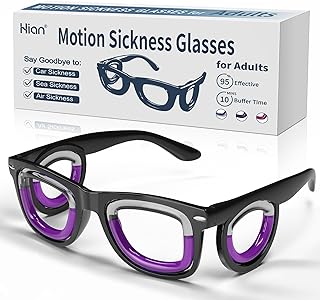
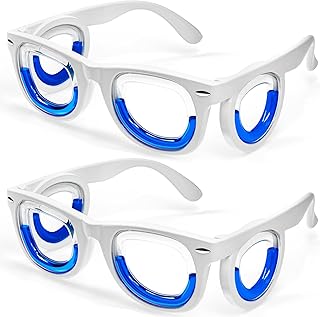
Motion sickness occurs when there's a disconnect between what your eyes see and what your inner ear senses. In a moving car, for example, your inner ear detects motion, but your eyes, focused on a stationary book or phone, tell your brain you're still. This sensory conflict triggers the body's nausea response. Traditional motion sickness glasses with a lensless design aim to resolve this conflict in a unique way. They typically feature fluid-filled rims that create an artificial horizon line in your peripheral vision. This visual cue helps synchronize your visual and vestibular systems, effectively "tricking" your brain into perceiving stability.
Sarah's Story: From Backseat Misery to Family Road Trip Joy
Sarah, a mother of two young children, had always been the designated driver on family trips. "As soon as I tried to look at a map or entertain the kids from the passenger seat, I'd feel it coming on," she recalls. "The winding roads to our favorite mountain cabin were a nightmare." Pills made her drowsy, which wasn't an option when she needed to be alert with the kids. Desperate for a solution, she purchased a pair of anti-nausea glasses online, specifically a model known for its portable design and full black carrying case.
"I was skeptical, but on our next trip, I put them on about 10 minutes before we hit the curvy roads," Sarah says. "The difference was astonishing. I could actually look down at my phone to change the playlist without that immediate wave of nausea. I wore them for about 30 minutes, and by the time I took them off, my body had adjusted to the motion. For the first time, I enjoyed the scenery instead of fighting to keep my lunch down." Sarah's experience highlights a key benefit: these glasses can be used proactively to prevent symptoms from starting, and their effects can sometimes last beyond the wearing period.
Mark's Voyage: Conquering Sea Sickness on a Fishing Expedition
Mark, an avid fisherman, had a lifelong dream of a deep-sea fishing trip that was constantly thwarted by severe sea sickness. "I'd tried every patch, pill, and ginger candy known to man," he explains. "Nothing worked consistently on rough waters. I was about to give up on my dream." As a last resort, he invested in a pair of glasses marketed as a sea sickness aid. Their sturdy, lensless construction seemed suited for the marine environment.
"The first hour on the boat was the real test," Mark recounts. "The swells were significant. I felt the familiar unease start to build in my stomach. I put the glasses on. It felt weird at first—you're looking through these rims with liquid moving inside. But within 15-20 minutes, the rising nausea plateaued and then began to recede. I wasn't 100% perfect, but I was functional. I could bait my hook, focus on the horizon, and even enjoy the experience. I caught my first marlin that day. Those glasses didn't just relieve nausea; they gave me back a passion." Mark's story underscores that for some, these glasses may manage symptoms rather than eliminate them entirely, but that management can be the difference between misery and participation.
Elena's Commute: Finding Relief from Chronic Car Sickness
Elena's motion sickness wasn't reserved for vacations; it plagued her daily commute. "Reading or even glancing at my phone during the bus ride to work guaranteed I'd start my day feeling ill," she shares. She needed a discreet, non-pharmaceutical solution she could use daily. She discovered a pair of car sickness glasses with a minimalist, almost fashion-forward frame design. Their portability was a major selling point.
"I keep them in their little black bag in my purse," Elena says. "Now, on particularly nauseating rides, I just put them on. My coworkers might give me a curious look, but I don't care. I arrive at the office feeling clear-headed and ready to work, not like I need to lie down. It's given me a sense of control over a problem that felt uncontrollable." Elena's experience demonstrates the value of these devices as a practical, on-the-go tool for managing a chronic condition, integrating seamlessly into daily life as a true travel essential.
How to Get the Most Out of Motion Sickness Glasses: Tips from Users
Based on these and other user testimonials, success with motion sickness glasses isn't automatic. Here are some tried-and-true tips from those who've made them work:
- Put Them On Early: Don't wait until you're feeling sick. Wear them 10-15 minutes before encountering triggering motion (e.g., before the car starts moving, before the boat leaves the dock).
- Be Patient: It can take 5-15 minutes for the effect to kick in. The fluid in the rims needs to settle and provide that stable horizon reference.
- Combine Strategies: Many users find pairing the glasses with other gentle remedies enhances effectiveness. Sipping cold water, getting fresh air, and focusing on a distant point while wearing the glasses can compound the benefits.
- Ensure Proper Fit: The glasses must sit comfortably but securely on your nose and ears. If they're crooked or sliding, the fluid horizon will be off, reducing effectiveness.
- Manage Expectations: They may not work for 100% of people or in 100% of situations. For some, they are a complete solution; for others, like Mark, they are a powerful management tool that makes the difference between unbearable and manageable.
Are Motion Sickness Glasses Right for You? A Realistic Look
These user stories paint a promising picture, but it's important to assess your own needs. Anti-motion sickness glasses are particularly worth considering if:
- You prefer drug-free solutions or experience side effects from medications.
- Your motion sickness is triggered by specific activities like reading in a car or being below deck on a boat.
- You need a portable, reusable solution for frequent travel.
- You've had limited success with other methods like acupressure bands.
Products like the Anti Motion Sickness Glasses exemplify this category with their lensless design that doesn't obstruct central vision, allowing you to wear them over prescription glasses. The included full black bag makes them a discreet and protected travel essential.
Conclusion: Empowerment Through Innovation
The journey through Sarah's mountain roads, Mark's fishing waters, and Elena's daily commute reveals a common theme: empowerment. Motion sickness glasses represent more than just a gadget; they are a tool that gives control back to the traveler. While not a magical cure-all, the consistent thread in user stories is one of significant relief and regained freedom. If motion sickness has held you back from adventures big or small, the experiences of these real people suggest it may be time to look beyond traditional remedies. Exploring a non-invasive anti-nausea solution could be the key to unlocking a world of comfortable, nausea-free travel, turning dreaded journeys into enjoyable parts of the experience.