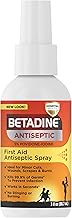
When it comes to first aid and infection prevention, few names are as recognizable as Betadine. This ubiquitous brown solution is a staple in medicine cabinets, hospitals, and first-aid kits worldwide. But what exactly is it, and how should you use it effectively and safely? This comprehensive guide delves into the science, applications, and best practices for using this powerful antiseptic.
What is Betadine? The Science Behind the Solution
Betadine is not a single chemical but a brand name for products containing povidone-iodine (PVP-I) as the active ingredient. Povidone-iodine is a stable chemical complex of polyvinylpyrrolidone (povidone) and elemental iodine. This formulation is key to its effectiveness and gentler nature compared to tincture of iodine. The povidone acts as a carrier, releasing the iodine slowly and steadily upon contact with skin or mucous membranes. Iodine is a potent broad-spectrum antimicrobial agent, effective against a wide range of pathogens including:
- Bacteria: Both Gram-positive and Gram-negative types.
- Viruses: Including enveloped viruses like influenza and coronaviruses.
- Fungi: Such as Candida and dermatophytes.
- Protozoa: And even some bacterial spores.
This broad-spectrum action makes Betadine an incredibly versatile tool for disinfection. The distinctive brown color indicates the presence of active iodine; as the iodine is used up during its antimicrobial action, the color fades, providing a simple visual indicator of its activity.
Common Uses and Applications of Betadine
The primary use of Betadine is as a topical antiseptic. Its applications span both home and clinical settings, making it a true multi-purpose product.
1. Wound Care and Minor Injury Management
This is perhaps the most common home use. For minor cuts, scrapes, and burns, Betadine solution or ointment can be applied to clean the area and help prevent infection. It's crucial to clean the wound with mild soap and water first to remove debris before applying the antiseptic. A thin layer of Betadine ointment can then protect the area. For deeper wounds, medical advice should always be sought first.
2. Pre-Operative Skin Preparation
In hospitals, Betadine scrub and solution are the gold standard for pre-surgical skin disinfection. Surgeons use it to meticulously clean the surgical site on a patient's skin, significantly reducing the risk of surgical site infections (SSIs). Its persistent activity helps maintain a sterile field during the procedure.
3. Disinfection of Medical Equipment and Surfaces
Beyond skin, Betadine solutions are used to disinfect non-living surfaces and certain types of medical equipment. It's important to follow specific dilution guidelines for this purpose, as the concentration needed for surface disinfection may differ from topical use.
4. Treatment of Skin Infections
Diluted Betadine soaks or washes are sometimes recommended by dermatologists for conditions like impetigo, infected eczema, or folliculitis. Its ability to tackle both bacterial and fungal components makes it useful for complex skin infections.
Benefits and Advantages of Using Betadine
Why has Betadine remained a top choice for decades? Its advantages are rooted in its unique formulation.
- Broad-Spectrum Efficacy: Its ability to kill a wide array of microbes with a single agent is a major advantage, reducing the need for multiple products.
- Rapid Action: It begins killing microbes within 30 seconds of application.
- Persistent Activity: Unlike alcohol-based sanitizers that evaporate quickly, Betadine leaves a residual film that continues to provide antimicrobial protection for several hours.
- Gentler on Skin: The povidone-iodine complex is less irritating and painful than pure iodine tincture, making it more tolerable for application on broken skin.
- Minimal Microbial Resistance: There is little to no evidence of bacteria developing resistance to iodine, making it a reliably effective antiseptic over time.
Important Safety Precautions and How to Use Betadine Correctly
While highly effective, Betadine must be used correctly to ensure safety and maximize benefits.
Dilution is Key
For most topical applications on intact or broken skin, Betadine is used in a 10% solution. However, for sensitive areas like mucous membranes (e.g., gargling for a sore throat, vaginal douching as directed by a doctor) or for soaking wounds, it must be diluted. A common dilution is one part 10% Betadine to ten parts warm water, creating a 1% solution. Always read the product label and consult a healthcare professional for specific dilution instructions.
What to Avoid
- Do not use on deep, serious wounds, animal bites, or severe burns without medical supervision.
- Avoid contact with eyes. If contact occurs, rinse thoroughly with water.
- Do not use for prolonged periods (e.g., many consecutive days) on large areas of skin without consulting a doctor, as systemic iodine absorption can occur.
- Do not use if you have a known allergy to iodine. Patch testing on a small area of skin is advised for first-time users with sensitive skin.
- Avoid using with hydrogen peroxide, as they can neutralize each other.
Staining and Clean-up
The brown stain on skin and fabrics is temporary on skin but can be permanent on fabrics. Stains on skin will fade within a day or two as the skin naturally exfoliates. To minimize fabric staining, allow the applied area to dry completely before covering with clothing or bandages.
Betadine vs. Other Common Antiseptics
How does Betadine stack up against alternatives?
- vs. Hydrogen Peroxide: Hydrogen peroxide fizzes as it kills bacteria but can damage healthy tissue and delay healing. Betadine is generally gentler on healing tissue.
- vs. Rubbing Alcohol (Isopropyl Alcohol): Alcohol evaporates quickly with no residual effect and can be very painful on open wounds. Betadine provides longer-lasting protection and is often less stinging.
- vs. Antibiotic Ointments (e.g., Neosporin): Antibiotic ointments target only bacteria and can cause allergic contact dermatitis in some individuals. Betadine has a broader spectrum and lower allergy risk (except for iodine allergy).
When to See a Doctor
While Betadine is excellent for minor care, it is not a substitute for professional medical treatment. Seek medical attention if:
- The wound is deep, gaping, or won't stop bleeding.
- There are signs of infection (increasing redness, warmth, swelling, pus, or red streaks radiating from the wound).
- The injury involves an animal or human bite.
- You have a severe burn.
- You experience an allergic reaction (rash, hives, difficulty breathing) after use.
Conclusion: A Trusted Tool in Your Health Arsenal
Betadine remains a cornerstone of antiseptic care due to its proven efficacy, broad-spectrum action, and relative safety when used appropriately. By understanding its proper uses—from treating a small scrape at home to its critical role in hospital sterilization protocols—you can harness its benefits effectively. Remember, for minor wounds, clean first, apply antiseptic like Betadine second, and cover if necessary. For anything more serious, let this trusted antiseptic be a first step, not the last, and always consult a healthcare professional. Keeping a bottle in your well-stocked first aid kit ensures you're prepared to handle minor injuries with confidence.