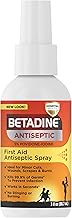
When it comes to effective wound care, having a reliable antiseptic in your first aid kit is non-negotiable. Among the most trusted names in this category is Betadine, a brand synonymous with povidone-iodine solutions. This guide delves deep into the world of antiseptic care, focusing on products like the Antiseptic Povidone Iodine Solution 8 Fl Oz, which offers a no-sting, alcohol-free formula ideal for treating minor injuries. Whether you're a parent, an outdoor enthusiast, or simply proactive about home health, understanding how to properly use and benefit from a antiseptic solution is crucial for preventing infection and promoting healing.
What is Povidone-Iodine and How Does Betadine Work?
Povidone-iodine is a broad-spectrum antiseptic complex that releases iodine upon application. Iodine is a potent microbicidal agent effective against a wide range of pathogens, including bacteria, viruses, fungi, and protozoa. The 'povidone' component acts as a carrier, allowing for a sustained release of iodine and reducing the potential for skin irritation often associated with pure iodine tinctures. Betadine products harness this science to create formulations that kill germs effectively while being gentle on skin. Unlike harsh antiseptics containing alcohol or hydrogen peroxide, which can damage healthy tissue and cause a painful stinging sensation, modern povidone-iodine solutions are designed for patient comfort without compromising efficacy.
Key Uses for Betadine Antiseptic Solutions
The primary application of a povidone-iodine solution is in the management of minor skin wounds. This makes it an essential component of any comprehensive first aid antiseptic strategy.
1. Treatment of Minor Cuts and Scrapes
For everyday abrasions, clean the wound gently with mild soap and water first. Applying an antiseptic like the featured 8 Fl Oz solution helps reduce the microbial load, significantly lowering the risk of infection. Its no-sting property is particularly beneficial for children or those with sensitive skin, making the first aid process less daunting.
2. Care for Minor Burns
First-degree burns and small second-degree burns benefit from antiseptic protection to prevent infection in the compromised skin barrier. A no-sting antiseptic is ideal here, as burned skin is exceptionally sensitive. The solution forms a protective layer while actively combating germs.
3. Pre- and Post-Procedural Skin Cleansing
Beyond typical first aid, povidone-iodine is used by healthcare professionals for skin disinfection before injections, minor surgical procedures, and wound dressing changes. Using it at home for cleaning around a splinter removal site or before applying a bandage follows the same prudent principle.
Benefits of Choosing a No-Sting, Alcohol-Free Formula
The evolution of antiseptics has moved towards patient-centered care. The stinging sensation caused by alcohol or hydrogen peroxide is not just uncomfortable; it can deter proper wound cleaning, especially in pediatric care. A no-sting antiseptic formula provides several distinct advantages:
- Improved Compliance: Patients, especially children, are more likely to allow proper wound treatment without fear of pain.
- Preservation of Healing Tissue: Alcohol can dry out and irritate the wound bed, potentially delaying the healing process. Gentler formulas support the natural healing environment.
- Broader Application: The comfort factor allows for use on more sensitive areas and for a wider range of minor cuts treatment and burns treatment scenarios.
The specific Antiseptic Povidone Iodine Solution 8 Fl Oz highlights these benefits, offering effective germ-killing power without the drawbacks of traditional sting-causing agents.
How to Use Povidone-Iodine Solution Safely and Effectively
Correct application is key to reaping the full benefits of any antiseptic. For minor wounds:
- Clean: Rinse the wound thoroughly with clean, running water to remove visible debris.
- Prepare: Gently pat the area dry with a clean, lint-free cloth.
- Apply: Use a sterile gauze pad or cotton swab to apply a small amount of the povidone-iodine solution directly to the wound and the immediate surrounding skin. Do not use excessive amounts.
- Cover: For cuts and scrapes, cover with a sterile bandage or adhesive dressing to keep clean. For burns, follow specific burn care guidelines, which may involve a non-adherent dressing.
- Reapply: Change the dressing and reapply the antiseptic once or twice daily, or as directed by a healthcare provider, until healing is well underway.
Always read the product label on your specific antiseptic solution for complete instructions and warnings.
Building a Complete Wound Care Kit
A robust wound care regimen involves more than just an antiseptic. Your first aid kit should also include:
- Sterile gauze pads and adhesive bandages of various sizes
- Hypoallergenic medical tape
- Blunt-tip scissors and tweezers
- Disposable gloves
- A digital thermometer
- A guide to basic first aid procedures
Having a dedicated product like a trusted povidone-iodine antiseptic ensures you are prepared to handle minor injuries promptly and correctly, minimizing complications.
Addressing Common Questions and Concerns
Q: Is Betadine safe for everyone?
A: While generally safe for topical use, individuals with known iodine allergies or thyroid conditions should consult a doctor before use. Avoid use on deep wounds, animal bites, or serious burns without medical supervision.
Q: Can it stain skin and fabrics?
A: Povidone-iodine has a characteristic brown color that may temporarily stain skin and fabrics. The stain on skin fades quickly with normal washing. Applying it carefully and protecting clothing can minimize this.
Q: How does it compare to antibiotic ointments?
A: Antiseptics like Betadine are used to disinfect wounds by killing germs on contact. Antibiotic ointments are designed to prevent or treat bacterial infections by inhibiting bacterial growth. They serve different but sometimes complementary roles in wound management. For simple, clean minor wounds, an antiseptic may be sufficient.
Conclusion: Prioritizing Effective and Gentle Wound Care
Effective first aid doesn't have to be painful. The advancement of antiseptic formulations, exemplified by no-sting, alcohol-free povidone-iodine solutions, represents a significant step forward in compassionate and effective wound care. By choosing a product designed to kill germs without causing unnecessary discomfort, you empower yourself to handle minor cuts, scrapes, and burns with confidence. Whether you select the specific 8 Fl Oz solution or another reputable betadine product, you are investing in a cornerstone of home health that prioritizes both safety and comfort. Remember, for severe injuries or signs of infection (increased redness, swelling, pus, fever), seek professional medical attention immediately.